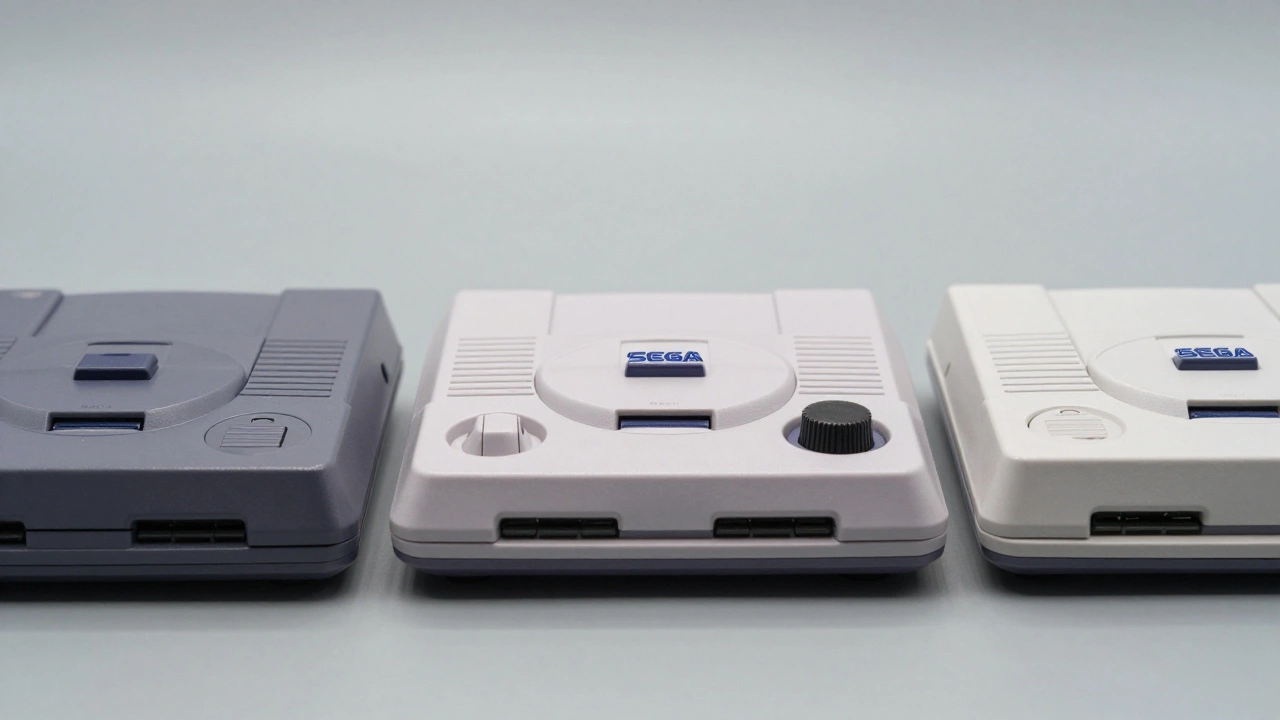
Grabbing a used Sega Genesis or Mega Drive from a thrift store bin feels like finding gold. But here is the catch: that dusty box might be worth $30 or $300 depending on where it was made. The difference isn't just the name on the sticker. It is about circuit boards, region locks, and rare manufacturing quirks that separate casual collectors from serious hunters. If you want to build a collection that actually holds value, you need to understand the hardware under the hood.
The Core Difference: Genesis vs. Mega Drive
First, let’s clear up the naming confusion. The console is the same machine, but Sega marketed it differently across the globe. In North America, it launched as the Sega Genesis in August 1989. In Japan, it debuted earlier in October 1988 as the Mega Drive. Europe followed suit in September 1990. These aren't just branding exercises; they represent distinct hardware revisions with different internal components, power supplies, and even headphone jacks.
The original Japanese Mega Drive included a built-in volume control for headphones, a feature absent in early North American models. This small detail matters because it identifies the specific manufacturing run. For collectors, identifying these physical traits is the first step in determining value. A standard gray Genesis is common. A pristine Japanese Model 1 with its unique audio jack? That commands a premium.
Understanding Region Locks and Video Standards
You cannot simply swap games between regions without knowing how the hardware works. Sega implemented region locking through two pins on the VDP (Video Display Processor) chip. One pin controls language settings (English or Japanese), and the other manages video frequency standards (50 Hz or 60 Hz). This creates three primary marketing regions: NTSC-J (Japan), NTSC-U (North America), and PAL (Europe/Australia).
Here is the tricky part for new collectors: PAL and North American cartridges are physically identical. You can plug a US game into a European Mega Drive. However, the software inside checks the region. If the game has a region lock, it won’t boot. If it doesn’t, it might run too fast or too slow because PAL systems operate at 50 Hz while NTSC systems use 60 Hz. Many PAL games were poorly optimized for their native speed, meaning they often run smoother on North American Genesis consoles. This quirk makes cross-region testing essential before buying expensive hardware.
Japanese cartridges are a different story. They have a completely different physical shape. You cannot force a Japanese game into a PAL or NTSC-U console without modifying the cartridge or the console. This mechanical barrier protects the value of Japanese exclusives but limits compatibility for international collectors.
| Region | Model Name | Cartridge Shape | Video Standard | Collector Value |
|---|---|---|---|---|
| North America | Sega Genesis | Standard | NTSC (60 Hz) | Moderate |
| Japan | Mega Drive | Unique (Different) | NTSC (60 Hz) | High |
| Europe/Australia | Mega Drive | Standard | PAL (50 Hz) | Moderate to High |
Rare Variants: Beyond the Big Three
If you think the main three regions cover everything, you are missing the most valuable pieces in the hobby. Several secondary markets produced unique hardware that is incredibly hard to find today.
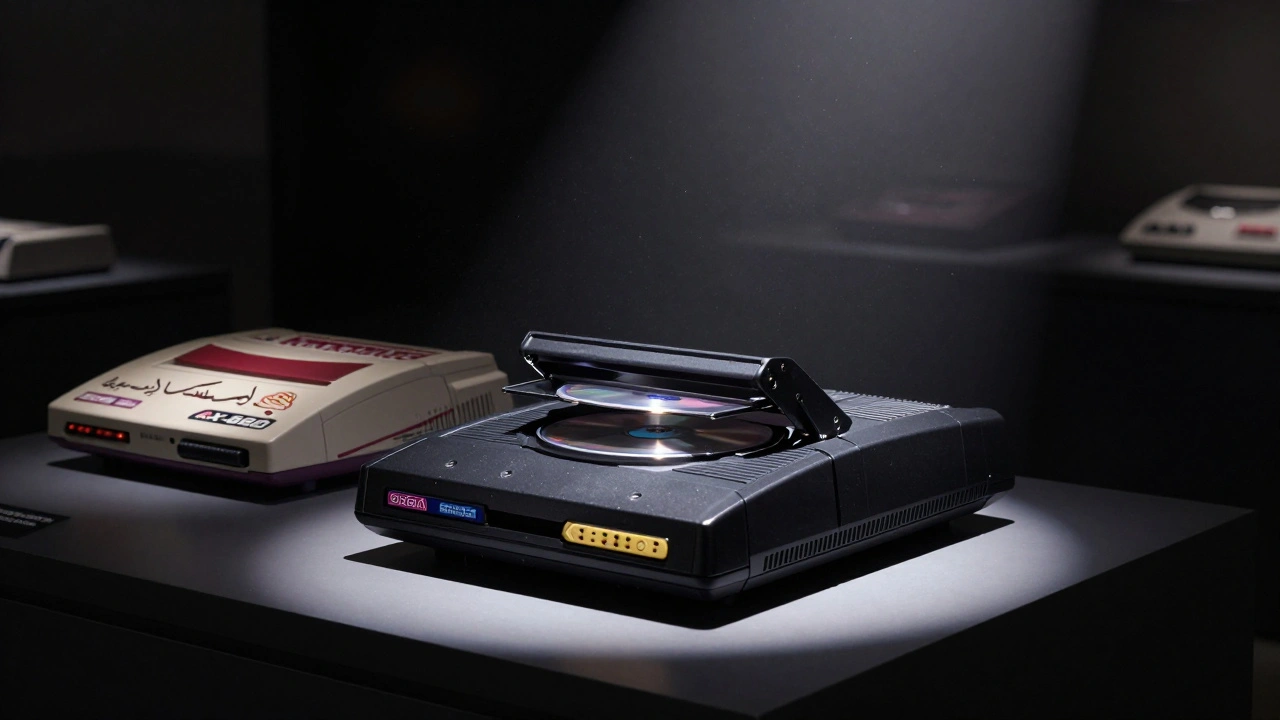
The Sega Multi Mega is perhaps the most sought-after variant outside the core trio. Released in 1994, this bulky unit combined the Genesis/Mega Drive and the Sega CD into one portable package. It cost nearly $500 at launch, which killed sales. Today, a working Multi Mega with its original carrying case can fetch hundreds of dollars. It appeals to technical collectors who want all-in-one functionality without dealing with separate add-ons.
Then there are the Saudi Arabian models: the AX-660 and AX-990. These units were distributed by Al-Alamiah and combined Sega Mega Drive hardware with MSX technology. They are region-free by default, meaning they play any cartridge. Even more interestingly, some games released for these systems featured Arabic translations and modified graphics to align with local cultural norms. Finding an AX-series console is a holy grail moment for any collector due to extreme scarcity.
In South Korea, Samsung Electronics handled distribution. They rebranded the console as the Super Gam*Boy and later the Super Aladdin Boy. These units often had unique decals and minor hardware tweaks. While not as valuable as the Saudi models, they are still rare finds that add diversity to a comprehensive collection.
Price Trends and Market Reality
Let’s talk money. The retro gaming market is stable, but prices vary wildly based on condition and rarity. As of 2026, here is what you should expect when hunting for deals.
Common North American Genesis consoles in good condition typically sell for $30 to $60. If the system includes the original box, manuals, and cables, the price jumps to $80-$120. Japanese Mega Drive units usually command a 20-40% premium over their North American counterparts. A clean Japanese Model 1 can easily reach $150-$200, especially if it comes with Japanese-exclusive games.
The Mega Drive Mini, released in 2019, is a different beast. Priced around £70 or ¥7,000 at launch, these modern recreations appeal to casual fans. They do not hold long-term value like original hardware because they lack cartridge slots and rely on pre-loaded digital libraries. Serious collectors generally ignore them, focusing instead on original media and hardware.
Rare variants like the Saudi Arabian AX-660 appear so infrequently that auction prices fluctuate dramatically. When one surfaces, it often sells for several hundred dollars, sometimes exceeding $500 if accompanied by localized software. The key takeaway? Scarcity drives price. Common variants appreciate slowly; rare ones jump quickly.
Building Your Collection Strategy
How do you approach this without breaking the bank? Start with your goals. Are you a "comprehensive" collector wanting every region? Or a "game library" collector chasing exclusives?
- For Comprehensive Collectors: Aim for one NTSC-J, one NTSC-U, and one PAL unit. Add a Korean or Saudi model if budget allows. Prioritize working condition over cosmetic perfection.
- For Game Library Collectors: Focus on PAL and Japanese exclusives. Many European titles never reached North America. Use region-unlocked hardware or modded consoles to play these games.
- For Technical Enthusiasts: Hunt for motherboard revisions. Early Japanese boards differ significantly from late-production North American ones. Documenting these differences adds depth to your collection.
Always test hardware before buying. Region locks can be bypassed with mods, but bad capacitors or cracked circuits cannot be fixed easily. Look for sellers who provide photos of the interior PCB (Printed Circuit Board). Check for corrosion, especially in older units stored in humid environments.
Where to Find Deals
Online marketplaces like eBay and specialized forums such as Sega Retro or ConsoleMods Wiki are your best friends. Join communities dedicated to retro gaming. Members often trade duplicates or offer advice on spotting fakes. Physical stores like thrift shops or garage sales still yield hidden gems, but you need to know what to look for. A plain gray box with no logo might hide a rare prototype or a regional variant.
Don’t overlook shipping costs. Importing a Japanese Mega Drive involves international shipping fees and potential customs duties. Factor these into your budget. Sometimes, buying locally from another collector saves more money than ordering from abroad.
Frequently Asked Questions
Can I play Japanese games on a North American Genesis?
No, not directly. Japanese cartridges have a different physical shape and will not fit into North American consoles. Additionally, even if you could insert them, the region lock would prevent execution. You would need to modify the cartridge or the console to bridge this gap.
Is the Sega Multi Mega worth the high price?
For most collectors, yes. Its rarity and all-in-one design make it a standout piece. However, ensure the unit is fully functional, including the CD drive mechanism. Broken lasers are common in older CD-based consoles and costly to repair.
What is the difference between PAL and NTSC Genesis games?
PAL games run at 50 Hz, while NTSC games run at 60 Hz. This affects game speed and frame rates. Some PAL games were poorly optimized and run faster on NTSC consoles. Always test cross-region compatibility before purchasing expensive software.
Are Mega Drive Mini units good investments?
Generally, no. They are mass-produced modern devices with limited resale value. Original hardware and physical cartridges hold value better because they are finite resources. Minis appeal to casual users, not serious investors.
How do I identify a Saudi Arabian AX-660?
Look for distinctive labeling indicating Al-Alamiah distribution. These units often have Arabic text on the casing or packaging. They are also region-free, meaning they accept any cartridge type. Confirm authenticity via community forums or expert verification before buying.
Why are Japanese Mega Drives more expensive?
Japan had a strong domestic market for retro gaming, leading to better preservation of original hardware. Additionally, Japanese exclusives and unique aesthetic features drive demand among international collectors willing to pay premiums for authentic pieces.
Can I remove region locks from my Genesis?
Yes, through hardware modifications. Techniques include soldering bridges on the motherboard or installing flash carts with region-free BIOS. However, this voids warranties and requires technical skill. Consult guides on ConsoleMods Wiki before attempting.
What should I check when buying a used Genesis?
Inspect for capacitor leaks, corrosion on the PCB, and broken ports. Test the power supply and controller ports. Ensure the disc tray (if applicable) opens and closes smoothly. Ask for internal photos to verify condition before purchasing.