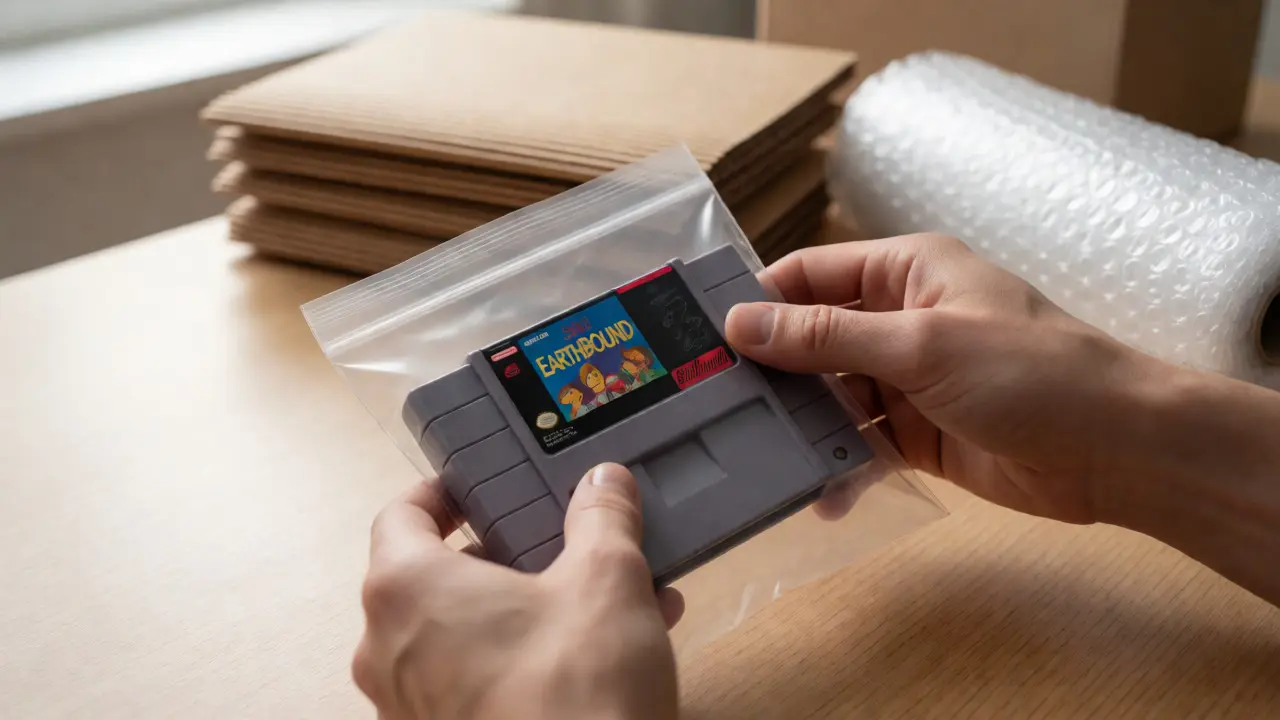
You’ve just scored that rare copy of EarthBound for the SNES from a fellow collector in Ohio. The price was fair, the seller had great feedback, and you’re ready to swap your cash for cardboard. But then panic sets in. You remember the horror stories: bent corners, cracked cases, or worse-a box arriving empty because the label fell off. Shipping physical media between individuals isn’t rocket science, but it’s surprisingly easy to mess up if you treat it like tossing a bag of chips into a mailbox.
Unlike buying from a big-box retailer with their industrial packing lines, community trades rely entirely on your own hands and judgment. One slip-up can turn a $50 trade into a two-week dispute over who pays return shipping. This guide breaks down exactly how to pack, ship, and track your games so they arrive in the same condition they left. We’ll cover everything from choosing the right bubble mailer to navigating carrier rules for international swaps.
Why Standard Packaging Often Fails for Games
Most people grab whatever is lying around the house-a shoebox, an old Amazon envelope, or a random padded mailer. That’s usually a mistake. Video games have specific vulnerabilities that standard household packaging ignores. A plastic case might look sturdy, but the hinge is fragile. The disc itself is sensitive to pressure points. And the cardboard sleeve? It hates moisture and crushing weight.
When you use improper materials, you risk what collectors call "case crack" or "ring wear." Case cracks happen when a hard object presses against the plastic spine during transit. Ring wear occurs when the disc rubs against the inner hub of the case due to movement inside the package. These aren't just cosmetic issues; they lower resale value significantly. If you're trading with someone who cares about condition grading, sending a game in a flimsy envelope is basically an insult.
Think about the journey your package takes. It gets thrown onto conveyor belts, stacked under heavier boxes, and exposed to temperature changes. Your job is to create a mini-bunker for the game. The goal isn't just to protect it from falling out; it's to prevent any internal movement that could cause damage.
The Essential Toolkit for Safe Game Shipping
You don’t need professional equipment, but you do need three specific items. Skip these, and you’re gambling with your money.
- Rigid Cardboard Mailers: Not soft padded envelopes. You want corrugated cardboard mailers specifically sized for games. For single discs, a 6x9 inch rigid mailer works well. For boxed sets, go larger.
- Bubble Wrap (Small Bubble): Large bubbles are for plates. Small bubble wrap conforms tightly to the shape of a game case without adding too much bulk.
- Poly Bags: Slip the game case into a clear poly bag before wrapping. This protects against moisture and keeps the bubble wrap from sticking to the shrink wrap on the case.
If you’re shipping loose cartridges or discs, add a layer of foam sheeting. Never let a bare disc touch another surface directly. Even dust particles can act like sandpaper if the package vibrates enough during transit.
| Game Format | Recommended Container | Internal Protection | Common Pitfall |
|---|---|---|---|
| Standard Disc Case (PS4/Xbox) | Rigid Corrugated Mailer | Bubble Wrap + Poly Bag | Using soft padded envelopes |
| Loose Cartridge (Switch/GBA) | Small Box or Rigid Mailer | Foam Insert or Crumpled Paper | Cartridge rattling against walls |
| Boxed Set (Limited Edition) | Double-Box Method | Shredded Paper or Air Pillows | Crushing outer box edges |
| Multi-Pack Bundle | Medium Flat Rate Box | Individual Wrapping per Item | Items shifting and scratching each other |
Step-by-Step Packing Guide
Let’s walk through the process for a standard boxed game, which is the most common scenario in community trades. Follow this sequence religiously.
- Secure the Contents: Open the game case. Ensure the manual and any inserts are tucked neatly behind the disc holder. Close the case firmly. If the case feels loose, tape the spine lightly to prevent accidental opening.
- Bag It: Slide the entire case into a poly bag. Seal it if possible. This creates a moisture barrier.
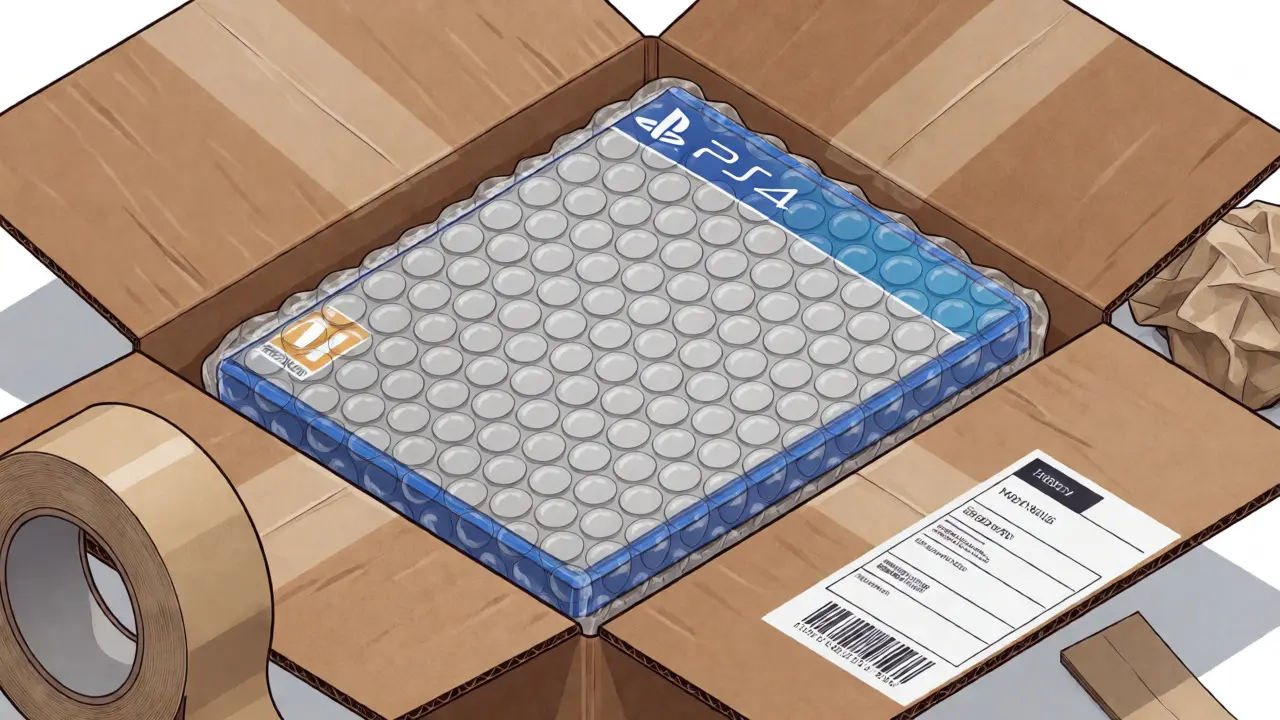
- Wrap It: Take a sheet of small-bubble bubble wrap. Place the bagged case in the center. Fold the wrap around the case like a present. Secure with tape. Make sure there are no sharp edges of tape touching the plastic directly.
- Choose the Right Mailer: Select a rigid mailer where the wrapped game fits snugly. If there’s extra space, stuff the voids with crumpled kraft paper or air pillows. The game should not move when you shake the sealed mailer.
- Seal and Label: Use strong packing tape along all seams. Do not rely on the self-adhesive strip alone. Write the address clearly or print a high-quality label. Cover the label with clear tape to protect it from rain and abrasion.
For boxed sets, use the double-box method. Wrap the main box in bubble wrap, place it inside a slightly larger box, and fill the gap with cushioning material. This absorbs shocks that would otherwise crush the corners of your valuable collector’s edition.
Choosing the Right Carrier and Service
Not all shipping options are created equal, especially for low-value trades. If you’re swapping a $10 indie game, spending $8 on tracking might feel excessive. But for anything over $20, tracking is non-negotiable.
In the US, USPS Media Mail is often the cheapest option for books and media, including video games. However, it’s slow-sometimes taking 2-8 weeks-and offers limited insurance unless you pay extra. More importantly, carriers sometimes inspect Media Mail packages to ensure they only contain eligible media. If you include a controller or a t-shirt, you might get charged the higher Parcel Select rate upon delivery, annoying both you and the recipient.
For faster, more reliable service, consider USPS First Class Package or Ground Advantage. These services provide free tracking and reasonable delivery times (2-5 days). UPS SurePost and FedEx SmartPost are also viable, often handing off to USPS for final delivery. They tend to be slightly cheaper than direct UPS/FedEx home delivery but slower.
A key rule: Always match the service level to the item’s value. If the game is worth less than $15, basic postage without tracking might suffice if you trust the buyer. Above $20, always buy tracking. Above $50, consider purchasing additional insurance or using a signature-required service.
Navigating International Trades
Cross-border trades introduce customs forms and potential duties. Many community members forget that a simple game trade can trigger customs fees. To avoid surprises, communicate clearly with your partner about who pays import taxes.
Use CN22 or CN23 customs forms accurately. Describe the contents as "Used Video Game Software" rather than just "Gift" or "Merchandise." Mislabeling can lead to delays. Also, check if your destination country has restrictions on certain content ratings or formats. While rare, some regions have specific regulations on imported electronics and media.
Shipping internationally is expensive. A $5 game might cost $15 to ship. Factor this into your trade agreement. Sometimes, it’s better to split the shipping cost evenly. Other times, the person receiving the rarer item covers the difference. Agree on this before packing.
Communication and Documentation
The best practice isn’t just physical-it’s digital. Before you seal the box, take photos. Photograph the game’s condition, especially any pre-existing scratches or wear. Send these to the recipient via message. This protects you if they claim the item arrived damaged.
After shipping, send the tracking number immediately. Don’t wait for them to ask. Add a personal note in the package. It builds goodwill in the community. People remember kindness. If something goes wrong-a lost package, a delay-handle it gracefully. Offer a partial refund or resend if it’s within reason. Reputation matters more than a few dollars in niche communities.
Finally, keep records. Save receipts and tracking screenshots until the transaction is fully complete. In disputes, proof of shipment date and tracking status are your best friends.
Can I use USPS Media Mail for video games?
Yes, USPS Media Mail generally accepts video games because they are considered educational or informational media. However, it does not include accessories like controllers or consoles. If you mix media with non-media items, you must pay the higher parcel rate. Also, Media Mail is slow and lacks automatic tracking updates in real-time, so use it only for low-stakes trades.
Do I need insurance for every game shipment?
Not necessarily. For items valued under $20, the cost of insurance might exceed the item's value. Most standard services include limited liability coverage (e.g., USPS includes $100 for Priority Mail). For high-value collectibles, definitely purchase extra insurance or use a service that requires a signature upon delivery to prove receipt.
How do I prevent my game case from cracking?
The primary cause of case cracks is impact or pressure on the spine. Prevent this by wrapping the case in bubble wrap and placing it in a rigid container. Avoid using soft padded envelopes that allow the case to bend. Ensuring the game does not shift inside the box during transit is critical.
What is the best way to ship loose Switch cartridges?
Place each cartridge in its individual case if available. If shipping loose, wrap each one in a small piece of foam or bubble wrap to prevent contact with others. Put them in a small rigid box or mailer filled with cushioning material so they cannot rattle. Loose cartridges are prone to pin bending if they bang against hard surfaces.
Should I remove the game from its original box before shipping?
No. Keep the game in its original retail box if possible. The retail box provides structural integrity and protection. Wrap the entire retail box in bubble wrap and place it in a shipping container. Removing the game exposes the case to more risks and reduces the perceived value to the recipient.