
Walking into a crowded convention hall or a dusty flea market stall with cash in your pocket is one of the best ways to find hidden gems. But timing is everything. Hit the wrong hour on the wrong day, and you’ll either pay retail prices for used discs or leave empty-handed because the good stuff is already gone. Knowing when sellers are most motivated and when buyers are least aggressive can save you hundreds of dollars over a single weekend.
The core strategy revolves around two distinct environments: organized Gaming Conventions are large-scale events featuring major publishers, indie developers, and collector communities, while Flea Markets are informal outdoor or indoor markets where individuals sell personal collections. Each has its own rhythm, price dynamics, and optimal entry windows.
Key Takeaways
- Conventions: Arrive early (9-10 AM) on opening day for new releases; visit mid-day on closing day for clearance deals.
- Flea Markets: Go late morning (11 AM - 1 PM) to avoid the "treasure hunters" but before the stalls close.
- Price Floor: Never pay more than 50% of current retail for used physical media unless it’s a sealed first print.
- Negotiation Window: Sellers at flea markets are most willing to drop prices after the initial rush dies down (after 2 PM).
- Event Type Matters: Anime/Game expos have different crowd behaviors than local swap meets.
Understanding the Buyer-Seller Dynamic at Conventions
Gaming conventions like PAX, E3 (now The Game Awards era), or regional expos operate on a high-energy cycle. The crowd is dense, and the primary goal for attendees is often seeing demos rather than buying physical goods. This creates specific pockets of opportunity.
Opening Day Morning is the period from 9:00 AM to 11:00 AM on the first day of the event. During this window, major publisher booths (like Sony, Nintendo, or Microsoft) usually have their full stock of pre-orders and exclusive bundles available. If you want a limited edition steelbook or a collector’s box set, this is your only real chance. However, don’t expect discounts here. You’re paying premium prices for exclusivity.
The real money is made in the Closing Day Afternoon, specifically between 2:00 PM and 5:00 PM on the final day. By this time, vendors who rented booth space need to clear inventory to ship boxes home. Independent third-party sellers (not the big brands) will slash prices by 40-60% to move unsold stock. This is where you find deep cuts in back-catalog titles, rare accessories, and even some last-minute copies of hit games that didn’t sell as well as projected.
A common mistake is waiting until the very last hour. While prices are lowest then, selection is nearly zero. The sweet spot is the "last call" period where there is still variety, but urgency is high.
Flea Market Timing: Avoiding the Early Bird Trap
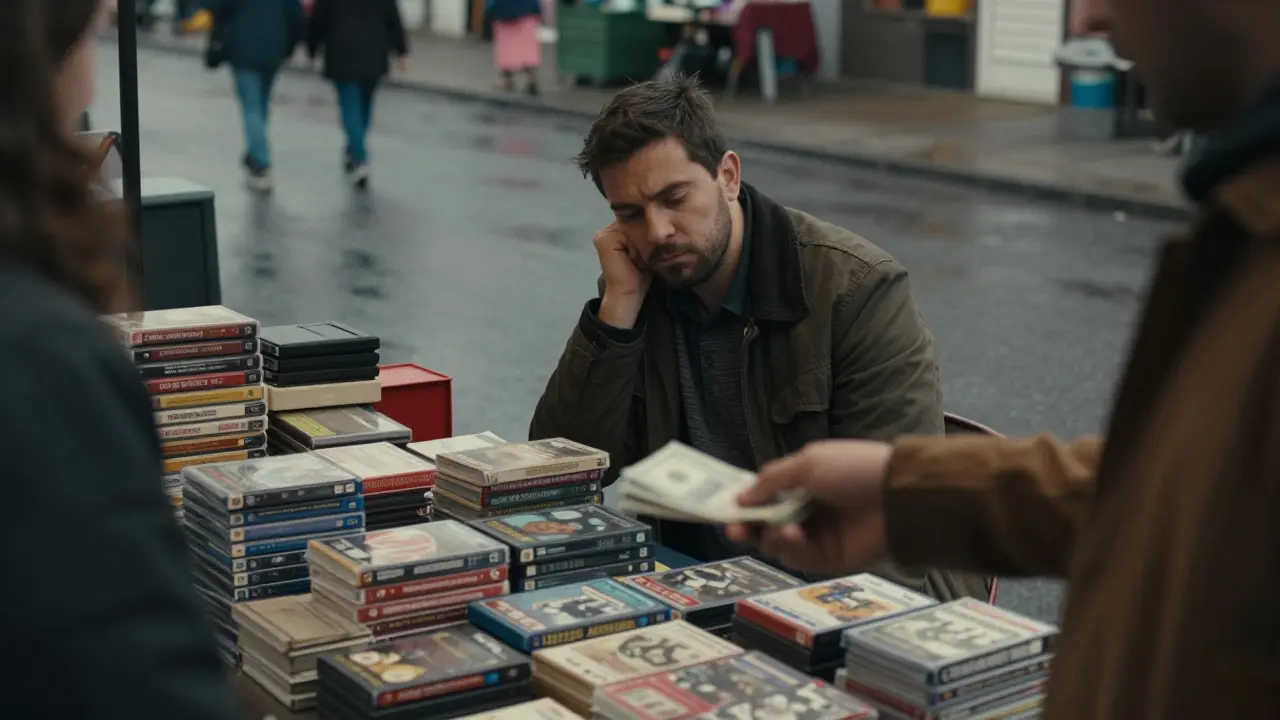
Flea markets, swap meets, and estate sales work differently. There is no central organizer managing inventory. Every table is run by an individual, often a hobbyist clearing out a garage or attic. This makes the timing less about "stock availability" and more about "seller fatigue" and "crowd density."
Most people assume you should be there at 8:00 AM when the gates open. For serious collectors hunting for specific rare items (like a copy of Super Mario Bros. 3 in original condition), yes, early is good. But if you are looking for general value-used PS4/Xbox One/Switch games, older PC titles, or bulk lots-the early morning crowd is dangerous. They are experienced bargain hunters who know exactly what they want. They buy the good stuff fast and leave. When you arrive at 10:00 AM, you’re left with the duds or items priced at retail.
The ideal window for casual gamers and value seekers is Late Morning to Early Afternoon, roughly 11:00 AM to 2:00 PM. By this time, the intense competitive energy has faded. Sellers who haven’t sold much are starting to get frustrated. They are less likely to hold out for their asking price. This is when you can walk up to a table, browse without feeling rushed, and start haggling.
Another critical factor is weather. In outdoor flea markets, rain drives away the casual browsers but keeps the dedicated sellers there. If you check the forecast and see rain predicted for the afternoon, that’s actually a great time to go. The foot traffic drops, sellers get bored, and they become more flexible on price to make a sale before packing up.
Specific Time Slots for Different Game Types
Not all games are bought at the same time. The type of product you are targeting dictates your schedule.
| Game Category | Best Venue | Best Time Slot | Reasoning |
|---|---|---|---|
| New Release Physical Copies | Gaming Convention | Opening Day, 9-10 AM | Full stock available before sell-outs. |
| Used Back-Catalog (PS4/Xbox/Switch) | Flea Market / Swap Meet | Mid-Day, 12-3 PM | Sellers tired, lower competition, better negotiation leverage. |
| Rare/Niche Retro Cartridges | Specialized Collector Event | Early Morning, 8-10 AM | High-value items disappear quickly to experts. |
| Bulk Lots (50+ games) | Estate Sale / Large Flea | Late Afternoon, 4-6 PM | Sellers want to clear entire boxes quickly. |
| Digital Codes/Pre-order Discounts | Convention Booths | Closing Day, 3-5 PM | Vendors discount digital codes to avoid shipping physical goods. |
Negotiation Tactics Based on Time of Day
Your approach to bargaining should change depending on when you are shopping. At a convention, especially at major brand booths, negotiation is rarely possible. Prices are fixed. However, at independent vendor tables within the convention, you can ask, "Are you taking orders?" or "Do you have any unopened stock I can pick up at a bundle rate?" This works best in the afternoon when the line has died down.
At flea markets, negotiation is expected. Here is a simple rule of thumb based on time:
- Before 10 AM: Stick to the asking price. Sellers are fresh and confident. Only negotiate if the item is clearly damaged or outdated.
- 10 AM - 2 PM: Offer 10-20% off the asking price. Cite the fact that you’ve seen similar items elsewhere for less. Be polite but firm.
- After 2 PM: Offer 30-50% off. This is the "clearance mode." If a seller hasn’t sold a stack of games by 3 PM, they would rather take $15 than carry them home. Use phrases like, "I’m ready to buy right now, do you want $20 for these three?"
Always carry small bills. A seller holding a $5 bill feels more empowered to say yes to a $10 offer than if you were handing over a $100 note. Cash speed is a powerful psychological tool in these informal economies.
Common Pitfalls to Avoid
Even with perfect timing, you can lose money if you ignore the details. Here are the traps that catch most new buyers.
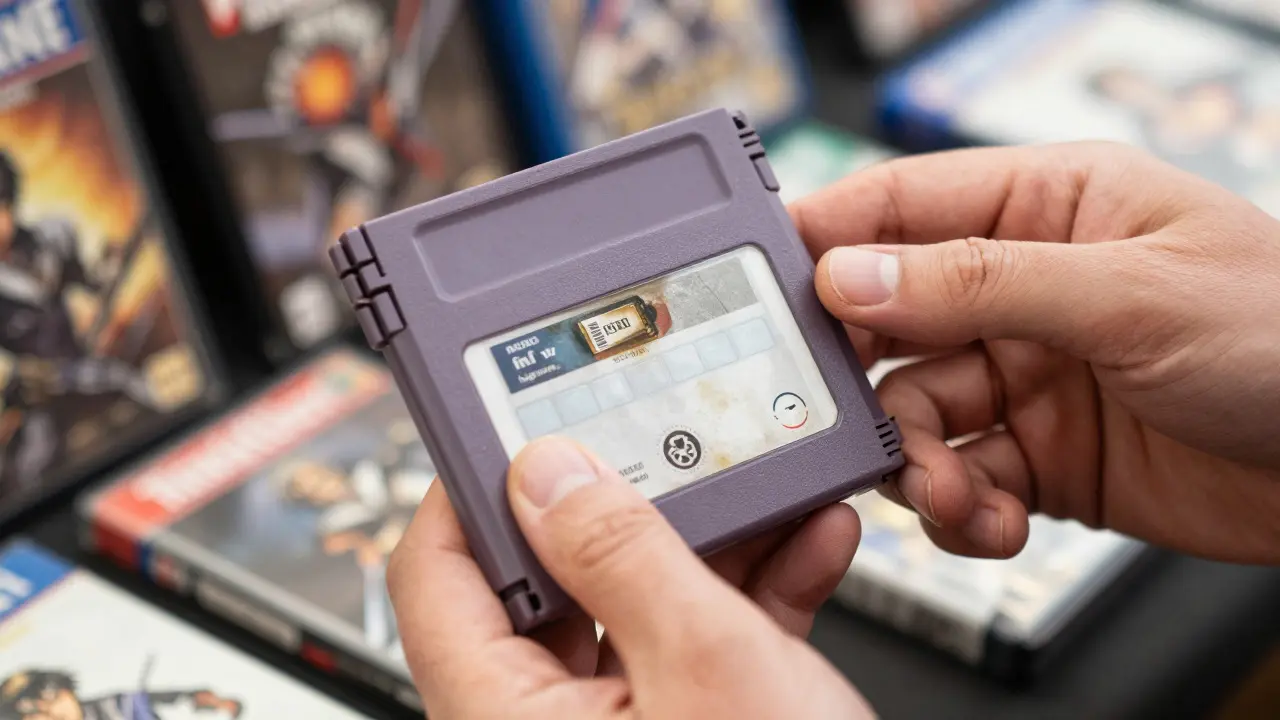
The "Sealed Box" Illusion: Many flea market sellers claim a game is "sealed" or "new." Check the shrink wrap. Authentic factory seals are tight and uniform. Resealed bags often have loose corners or heat damage. If in doubt, assume it’s used until proven otherwise. Paying $40 for a "sealed" game that turns out to be a re-sealed used copy is a classic loss.
Missing Region Locks: Especially with Japanese imports or European versions, check the region code on the case. A game might look cool, but if it doesn’t match your console’s region, it won’t play. Ask the seller directly: "Is this NTSC-U/C?" or "Does this work on my US Switch?"
The "Free with Purchase" Bait: Sometimes a seller will offer a free bonus game if you buy a main title. Look closely at the bonus. It’s often a damaged disc, a missing manual version, or a region-incompatible import. Value the bonus at zero unless you verify it works.
Building Your Routine: A Sample Weekend Plan
If you live in a city like Portland, Oregon, you likely have access to both large conventions (like those held at the Oregon Convention Center) and weekly flea markets (such as the Saturday Market or local swap meets). Here is how to structure your week for maximum savings.
- Saturday Morning (Flea Market): Arrive at 11:30 AM. Focus on bulk lots and used modern games. Spend no more than 2 hours. Set a budget cap of $100. Walk away when the good stuff is gone.
- Saturday Afternoon (Research): Go home, clean the games, test them, and list any unwanted duplicates on online marketplaces. Flip them for profit to offset your spending.
- Weekend of Major Convention: Skip the first day unless you need a specific new release. Go on the second day at 10 AM for browsing, and the final day at 3 PM for clearance deals. Bring a backpack, not a handbag-you’ll need space for bulky boxes.
This routine balances the excitement of the hunt with the discipline of financial management. It ensures you aren’t just collecting dust, but building a library that fits your actual playtime.
Frequently Asked Questions
Is it better to buy video games at conventions or flea markets?
It depends on what you want. Conventions are better for new releases, exclusive editions, and meeting developers. Flea markets are better for cheap used games, retro finds, and bulk lots. For pure value per dollar, flea markets generally win. For exclusivity, conventions are the only option.
What time of day do flea market sellers give the best discounts?
The best discounts happen in the late afternoon, typically after 2:00 PM. By this time, the initial rush of buyers has passed, and sellers are eager to clear their tables before packing up. Offering 30-50% off during this window is highly effective.
Should I bring cash to gaming conventions?
Yes, always bring cash. While major booths accept cards, many independent vendors, especially those selling used or imported games, prefer cash. Having small bills ($5, $10, $20) makes transactions faster and signals that you are a serious buyer ready to commit immediately.
How do I know if a "sealed" game at a flea market is genuine?
Inspect the plastic wrapping carefully. Genuine factory seals are tight, with no air bubbles or loose edges. Resealed games often have wrinkles, heat marks, or tape residue under the wrap. If the seal looks suspicious, assume it is used and negotiate the price down accordingly.
Are retro games worth buying at flea markets?
Retro games can be a mixed bag. Common titles (like Super Mario World) are cheap and fun. Rare titles (like Zelda: Link's Awakening for Game Boy) can be valuable but risky. Always check for battery corrosion on cartridges and ensure the case is complete. For beginners, stick to common titles to minimize risk.