It happens fast. One minute your store is humming along with sales of retro cartridges or custom controller skins. The next, you get an email. Your listing is gone. Maybe it’s just one item, maybe it’s twelve. The reason? An intellectual property (IP) takedown. For anyone selling video game merchandise, keys, or physical copies online, this is the nightmare scenario.
You don’t need to be a lawyer to understand that getting hit with a copyright or trademark claim can shut down your revenue stream overnight. Platforms like Amazon and Etsy are strict about removing content when rights holders complain. They do this to protect themselves under laws like the U.S. Digital Millennium Copyright Act (DMCA). But panic won’t help you here. You need a plan. Whether you sold genuine goods without proper paperwork or accidentally used unlicensed art in a thumbnail, knowing how to respond correctly is the difference between losing your account and keeping your business alive.
Understanding Why Your Listing Was Removed
Before you write an angry email or file a counter-notice, you have to know what actually happened. IP takedowns usually fall into three buckets: copyright, trademark, and patent issues. In the world of video games, copyright is the big one. It covers the code, the character designs, the music, and the story. Trademark covers the brand names and logos-think Nintendo, PlayStation, or the specific logo on a game box.
Copyright protection kicks in automatically the moment a creator fixes their work in a tangible medium. This means a developer doesn’t need to register their game to send you a takedown notice. If you used a screenshot from a game you didn’t create in your product description, or if you printed a character face on a mousepad without permission, you likely infringed on that automatic right.
Sellers often make the mistake of thinking they are safe because they are small, or because they believe their use is "fair use." Fair use is a legal defense decided by a judge, not a shield you can hide behind while selling products. As legal experts note, relying on fair use for commercial sales is high-risk. If you see a takedown notice citing copyright, assume the platform has removed your content to stay within its own legal safety harbor.
The Immediate Response: Containment and Assessment
When the notice hits your inbox, your first instinct might be to argue. Don’t. Not yet. The most critical step is assessment. Read the notice carefully. Identify exactly which right was claimed (copyright vs. trademark) and which specific listings were affected. Is it one ASIN on Amazon? Twelve handmade items on Etsy?
If you look at your listing and realize you used an image you didn’t create, or you are selling a fan-made item without a license, stop immediately. Remove the infringing material everywhere-not just on the platform that sent the notice. If you have the same unauthorized artwork on your website or social media, take it down there too. Legal advice suggests that continuing to display infringing content after receiving a notice increases your liability significantly. Swift removal shows good faith and can sometimes prevent further escalation.
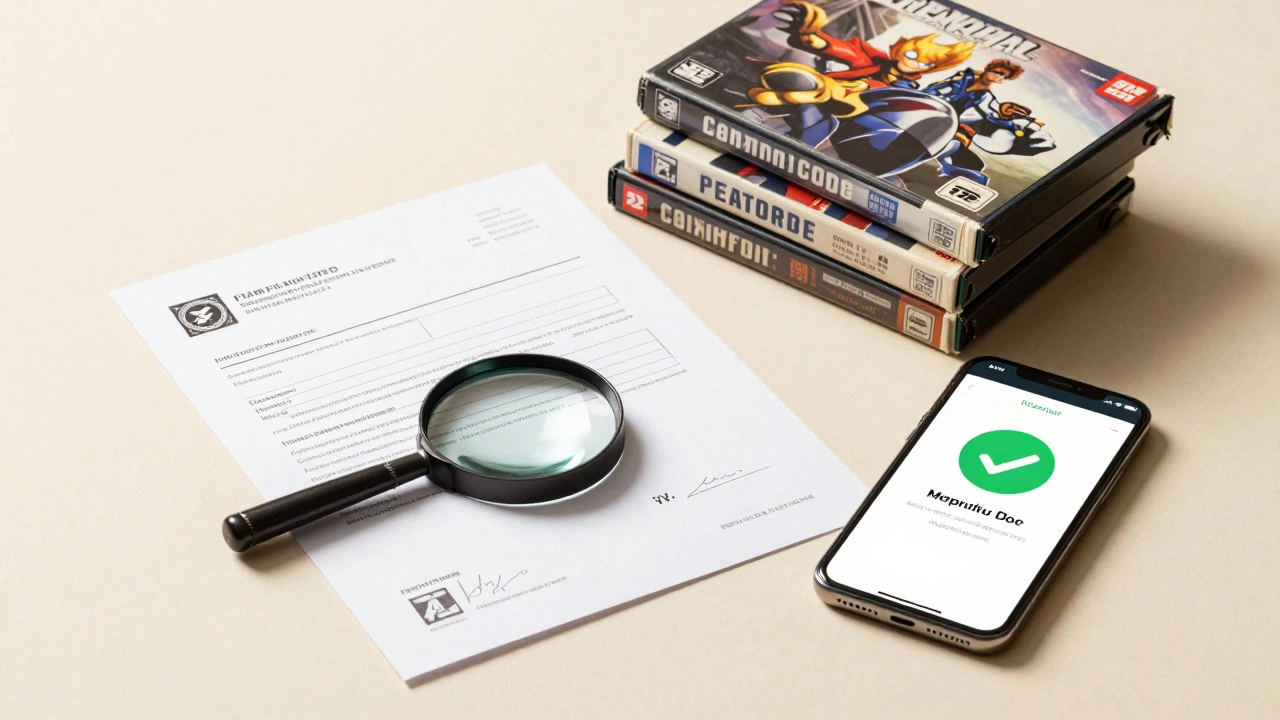
Gathering Evidence for Authentic Goods
What if you didn’t steal anything? What if you are selling genuine, factory-sealed copies of classic games, but still got flagged? This happens more than you think. Automated bots scan marketplaces for keywords like "Pokemon" or "Call of Duty" and flag them as suspected infringement. In these cases, the issue isn’t necessarily that you stole IP; it’s that the platform needs proof you are authorized to sell those goods.
This is where documentation becomes your best friend. On platforms like Amazon, an IP-related takedown often doubles as a check for product authenticity. To reinstate your listing, you will likely need to provide invoices and letters of authorization. These documents prove your supply chain is legitimate.
- Invoices: Provide recent purchase receipts from reputable suppliers. Make sure the invoice matches your seller account name and address.
- Lets of Authorization: If you have a direct deal with a distributor, get it in writing. A signed letter stating you are allowed to sell their products is powerful evidence.
- Supply Chain Details: Explain where you bought the stock. Vague answers get rejected. Specific details build trust.
Without this paper trail, even honest sellers can find their accounts suspended. Treat your records like gold. Keep digital copies of every transaction related to your inventory.
When to File a Counter-Notice
If you are certain the takedown is a mistake-perhaps you created the art yourself, or you have a valid license that the claimant overlooked-you can file a counter-notice. Under the DMCA, this tells the platform to restore your content unless the claimant files a lawsuit within a short window (usually 10-14 business days).
Here is the catch: filing a counter-notice is risky. It signals to the copyright owner that you are fighting back. For many large gaming companies, this is the trigger they need to decide whether to sue you. Many platforms, including YouTube and Instagram, have automated systems for this, but using them without caution can lead to expensive litigation.
Before you click "submit" on a counter-notice, consult an IP attorney. Sometimes, having a lawyer communicate directly with the rights holder can resolve the dispute quietly. This is especially true if your entire catalog is at risk. A direct conversation might reveal that the claim was made by an aggressive third-party enforcement agency rather than the game studio itself, opening the door for a quick resolution without court involvement.
Platform-Specific Nuances: Amazon vs. Etsy
Different platforms handle IP claims differently. Understanding these differences saves time.
| Feature | Amazon | Etsy |
|---|---|---|
| Primary Trigger | Automated bot sweeps + Brand Registry complaints | Manual reports from rights holders (e.g., Games Workshop) |
| Key Evidence Needed | Invoices, Letters of Authorization, Supply Chain info | Proof of originality, License agreements, DMCA Counter-claim forms |
| Risk Level | High (Account suspension common) | Medium (Listing removal, store ban possible) |
| Appeal Process | Formal appeal via Seller Central with document upload | Counter-notice form or direct communication with Trust & Safety |
On Amazon, the focus is heavily on authenticity. If you are selling physical games, your invoices matter more than your legal arguments. On Etsy, where handmade and vintage items dominate, the focus is often on whether you have the right to use the IP in your design. A seller making custom D&D dice painted with game characters faces different hurdles than someone reselling boxed copies. Etsy sellers must be prepared to show licenses or cease production of derivative works quickly.
Preventing Future Takedowns
Reactive measures are necessary, but proactive strategies save your sanity. The best way to avoid takedowns is to secure permissions before you list. A licensing agreement is the primary tool for this. It defines the scope (what assets you can use), territory (where you can sell), term (how long), and financial terms (royalties).
If you are a small seller, you might not be able to negotiate a deal with Sony or Microsoft. In that case, stick to public domain assets or create entirely original content. Do not assume that older games are free to use. Works released in the last 70+ years are likely still protected. When in doubt, assume it is copyrighted.
For developers and larger sellers, consider investing in monitoring tools. Just as brands use services to track infringement against them, you can use similar tools to ensure your own assets aren’t being misused, and to stay compliant with platform policies. Building a habit of checking asset sources and keeping meticulous records of licenses creates a firewall around your business.
What should I do if I receive a DMCA takedown notice for my video game listing?
First, read the notice carefully to identify the specific IP claim (copyright or trademark) and the affected listings. If you recognize that you used unlicensed material, remove it immediately from all platforms. If you believe the claim is erroneous and you have valid authorization, gather your invoices and letters of authorization. Do not file a counter-notice without consulting an IP attorney, as this can trigger a lawsuit.
Can I sell genuine video games on Amazon without getting an IP takedown?
You can, but you must be prepared to prove authenticity. Amazon often flags listings via automated bots. To reinstate removed listings, you typically need to provide recent invoices from reputable suppliers and, ideally, letters of authorization. Without this documentation, Amazon may view the items as counterfeit or unauthorized gray-market goods.
Is "fair use" a valid defense for using game screenshots in my product descriptions?
Fair use is a complex legal defense determined by courts, not a guaranteed right for sellers. Using copyrighted images for commercial purposes, such as selling merchandise or keys, carries significant risk. Most legal experts advise against relying on fair use for sales listings. Instead, obtain licenses or use original images to avoid takedowns.
How do I file a counter-notice on Etsy or Amazon?
Both platforms have specific forms for counter-notices. On Etsy, you can file a counter-claim through their help center. On Amazon, you submit an appeal through Seller Central. However, filing a counter-notice informs the claimant that you are disputing the removal, which gives them a window (usually 10-14 days) to sue you. Consult a lawyer before proceeding to assess litigation risks.
Do I need a license to sell fan-made video game merchandise?
Yes. Selling fan-made items featuring copyrighted characters, logos, or designs requires explicit permission from the IP owner. While some companies tolerate small-scale fan art, selling these items commercially without a license is infringement. Rights holders like Games Workshop actively enforce these rights, leading to mass listing removals on platforms like Etsy.