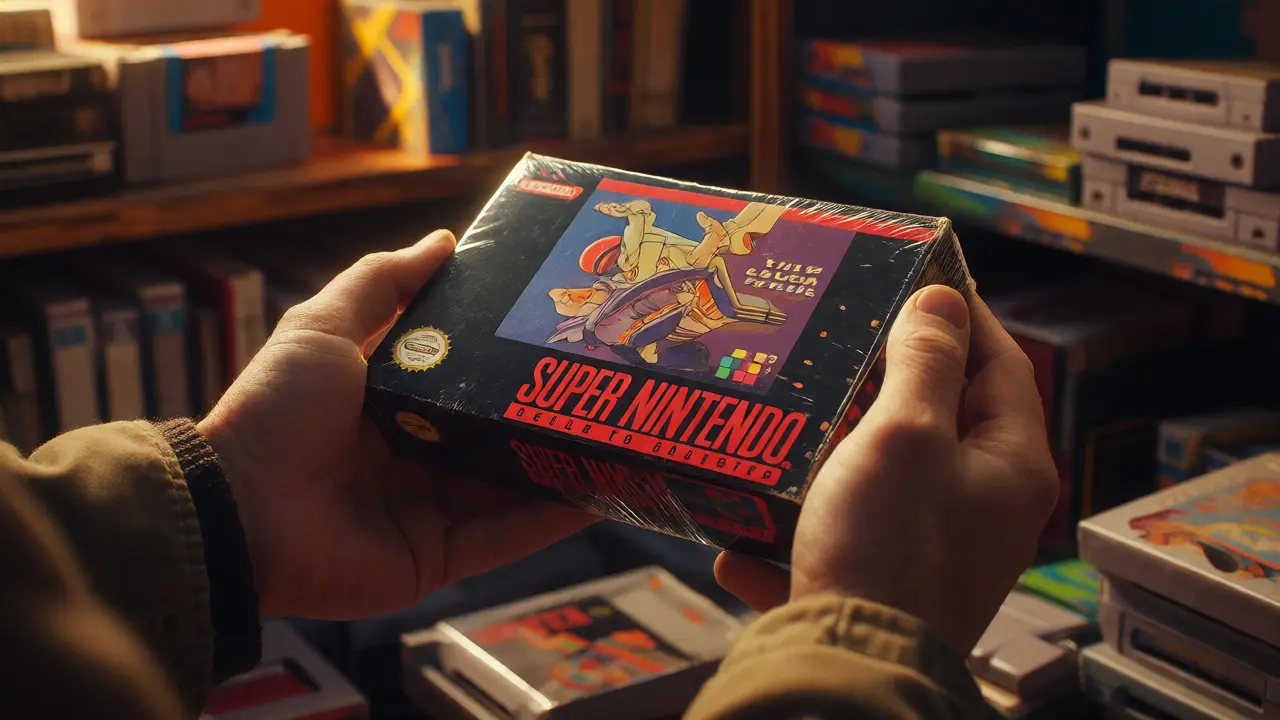
You’ve got shelves lined with sealed copies of EarthBound, a cult-classic RPG that rarely sees reasonable prices anymore. You know the difference between a first-print and a reprint. But when you try to share this passion online, it feels like shouting into a void. Social media algorithms bury your posts, and forum threads die within hours. That’s why smart collectors are building their own newsletters. It’s not just about sending emails; it’s about owning your audience in an era where platform access is rented, not owned.
Building a newsletter for video game collectors isn’t as simple as hitting "send" on a weekly update. The market is saturated with generic gaming news that ignores the nuance of collecting. Your readers don’t care about the latest mobile microtransaction controversy; they care about finding a clean copy of Silent Hill 2 for under $50. They want to know which eBay sellers are trustworthy and how to spot fake box art. This guide walks you through creating a publication that resonates with people who treat games as artifacts, not just entertainment.
Why Niche Newsletters Beat Social Media for Collectors
Think about how you buy a rare game. Do you scroll through Instagram reels? Probably not. You check specific forums, Discord servers, or trusted blogs. A newsletter fits this behavior perfectly because it pushes curated information directly to the reader. Unlike social feeds, which prioritize engagement bait, a newsletter prioritizes utility and trust.
For collectors, trust is currency. When someone spends $300 on a loose cartridge, they need confidence that the seller knows what they’re talking about. A consistent newsletter builds that authority faster than sporadic tweets ever could. Plus, email lists are portable. If Twitter changes its rules tomorrow, your subscribers stay with you. This stability allows you to experiment with formats without fearing algorithmic punishment.
Consider the data: according to recent industry benchmarks from Mailchimp, niche hobbyist newsletters often see open rates above 40%, significantly higher than the 20% average for general retail. Why? Because the content is hyper-relevant. A collector doesn’t want to hear about every new release; they want to hear about the three releases that actually matter to their collection strategy.
Defining Your Collector Persona
"Video game collector" is too broad. You’d lose half your potential readers by trying to please everyone. You need to narrow down who exactly you’re writing for. Are you targeting retro enthusiasts hunting for NES and SNES titles? Or are you focusing on modern physical edition collectors who buy Day One editions of AAA titles?
Let’s break down the common archetypes:
- The Retro Hunter: Focused on hardware preservation, CRT TVs, and finding bargains at flea markets. They value historical context and condition grading tips.
- The Completionist: Obsessed with getting every variant, region, and bundle. They track price fluctuations obsessively and love database-style updates.
- The Art & Design Fan: Interested in box art, manuals, and packaging design. They might not even play the games but appreciate them as cultural objects.
- The Modern Physical Collector: Buys limited steelbooks and special editions of current-gen consoles. They care about pre-order bonuses and retailer exclusives.
Pick one primary persona and maybe one secondary. If you try to cover both retro emulation debates and modern PlayStation 6 rumors in the same issue, you’ll confuse your readers. Consistency helps retention. If I sign up for a retro-focused list, I expect stories about the Sega Saturn, not complaints about live-service monetization in Call of Duty.
Content Pillars That Keep Readers Opening
What do you actually write about? Many creators freeze here, thinking they need breaking news. You don’t. Collectors crave analysis and curation. Here are four reliable content pillars that work across most collector niches:
| Pillar | Example Topic | Value Proposition |
|---|---|---|
| Market Watch | Price trends for PS1 classics in Q3 2026 | Helps readers time their buys/sells |
| Spotlight | Deep dive into the history of 'Panzer Dragoon Saga' | Educational and nostalgic appeal |
| Finds & Deals | Top 5 eBay listings worth checking this week | Actionable saving opportunities |
| Community Voices | Reader submissions: Worst fake game purchases | Builds engagement and belonging |
Market Watch is crucial. Use tools like PriceCharting or eBay sold listings to show real data. Don’t just say "prices are up." Say "Average completed sales for 'Chrono Trigger' SNES cartridges rose 12% last month." Specificity builds credibility.
Spotlights allow you to flex your knowledge. Write short essays on why certain games became rare. Was it low production numbers? Regional exclusivity? These stories turn objects into narratives, making the collection feel more meaningful.
Finds & Deals requires active hunting. Spend ten minutes a day scanning major retailers or auction sites. Highlight one or two genuine gems. Avoid affiliate spam unless it adds clear value. If you link to a product, explain why it’s worth the money.
Community Voices turns passive readers into participants. Ask a question in each issue: "What’s the one game you regret selling?" Feature the best answers next week. This creates a feedback loop that keeps people subscribed because they want to see their name or opinion featured.
Technical Setup: Tools and Platforms
You don’t need a custom-coded website to start. In fact, simplicity wins. Most successful newsletters use platforms like Substack, Beehiiv, or Ghost. Each has pros and cons for a gaming audience.
Beehiiv is currently popular among independent creators because of its built-in referral programs and ad networks. It allows you to monetize quickly if you have enough volume. However, its design flexibility is lower than other options.
Substack offers the largest network effect. Its recommendation engine can help you grow organically if your content gets picked up by larger publications. The downside? You pay a 10% fee on paid subscriptions, and customization is limited.
Ghost is ideal if you want full control over branding and SEO. It’s self-hosted (or managed), so you own the data completely. It costs more upfront but saves fees later. For a serious collector brand aiming for long-term independence, Ghost is often the best choice.
Whichever you choose, ensure your welcome sequence is strong. The first email should clearly state what value the subscriber gets. Example: "Every Tuesday, I send you three rare finds under $20 and one deep-dive story on retro gaming history." Set expectations immediately.
Growing Your List Without Burning Out
Growth strategies differ for niche hobbies. Blasting ads on Facebook often yields low-quality leads who unsubscribe after one email. Instead, focus on targeted communities.
Engage in relevant subreddits like r/gamingcollectors or r/retrogaming. Don’t just drop links. Participate in discussions. When someone asks for advice on cleaning cartridges, provide a detailed answer and mention you wrote a guide on it in your newsletter. Offer the link as a resource, not an ad.
Cross-promotion works wonders. Find newsletters with adjacent audiences-maybe a board game collector or a vinyl record enthusiast. Swap shoutouts. Their audience likely overlaps with yours in terms of demographics and spending habits.
Use lead magnets wisely. A PDF checklist titled "The Ultimate Guide to Spotting Fake Nintendo Cartridges" is highly valuable. People will trade their email address for practical knowledge. Ensure the magnet solves a specific pain point, not just a vague interest.

Monetization Models for Collector Brands
Can you make money? Yes, but patience is key. Direct sponsorships from retro stores or accessory brands are lucrative but hard to land initially. Start with affiliate marketing carefully. Amazon Associates pays low rates, but specialized retailers like eBay Partner Network or niche importers may offer better commissions.
Paid subscriptions become viable once you hit around 1,000 engaged free subscribers. What do they get? Exclusive market reports, early access to deals, or a private Discord channel. Collectors love exclusivity. Offering a monthly "Collector’s Report" with advanced price analytics can justify a $5/month fee.
Merchandise is another angle. If you build a strong brand voice, fans might buy stickers, pins, or shirts related to your newsletter identity. Just ensure the designs reflect the aesthetic of the community-pixel art, minimalist logos, or retro console silhouettes work well.
Common Pitfalls to Avoid
Don’t ignore deliverability. If your emails land in spam, you’re dead. Authenticate your domain properly using SPF, DKIM, and DMARC records. Most platforms handle this automatically, but double-check.
Avoid being too personal or too corporate. Collectors sense inauthenticity quickly. Share your failures. Did you buy a broken controller? Tell the story. Did you miss out on a deal? Admit it. Vulnerability builds connection.
Finally, don’t neglect the archive. New subscribers often binge-read past issues. Organize your archives by topic (e.g., "PS2 Era," "Handhelds," "Restoration Tips"). A searchable, well-tagged archive increases the perceived value of your subscription.
How often should I send my newsletter?
Consistency matters more than frequency. Weekly is standard for news-heavy niches, but bi-weekly works well for deeper analytical pieces. Choose a schedule you can maintain for six months without burnout. If you skip weeks, readers forget you exist.
Do I need to write original articles?
Not necessarily. Curation is valid. You can summarize top stories from other sources and add your commentary. However, adding unique insights or personal anecdotes distinguishes you from automated aggregators. Aim for at least 30-50% original thought or perspective per issue.
What is a good open rate for a gaming newsletter?
For niche hobbies like gaming collecting, aim for 35-45%. General industry averages are lower, but engaged hobbyists are more loyal. If your open rate drops below 25%, review your subject lines and content relevance. High churn usually means the content isn't matching the promise made during signup.
Should I include images in every email?
Yes, visual appeal is critical for collectors. Show high-quality photos of the games, boxes, or hardware you discuss. Images trigger nostalgia and desire. Just keep file sizes optimized to prevent slow loading times, which can cause users to abandon the email before reading.
How do I handle negative feedback from subscribers?
Treat it as data. If multiple people complain about a specific type of content, pivot. Engage politely in replies. Sometimes, a public response to a critique shows transparency and builds trust. Remember, passionate collectors have strong opinions; respecting them strengthens community bonds.