When you spend hundreds or even thousands on a sealed Super Nintendo game or a pristine Game Boy cartridge, you don’t just want to keep it in a plastic bag. You want to protect it, display it, and know that its condition is officially verified. That’s where video game grading companies come in. But not all grading services are the same. Two of the biggest names-CGC and WATA-have very different approaches, and choosing the wrong one could cost you money, time, or even damage your game.
What’s the Difference in Holder Design?
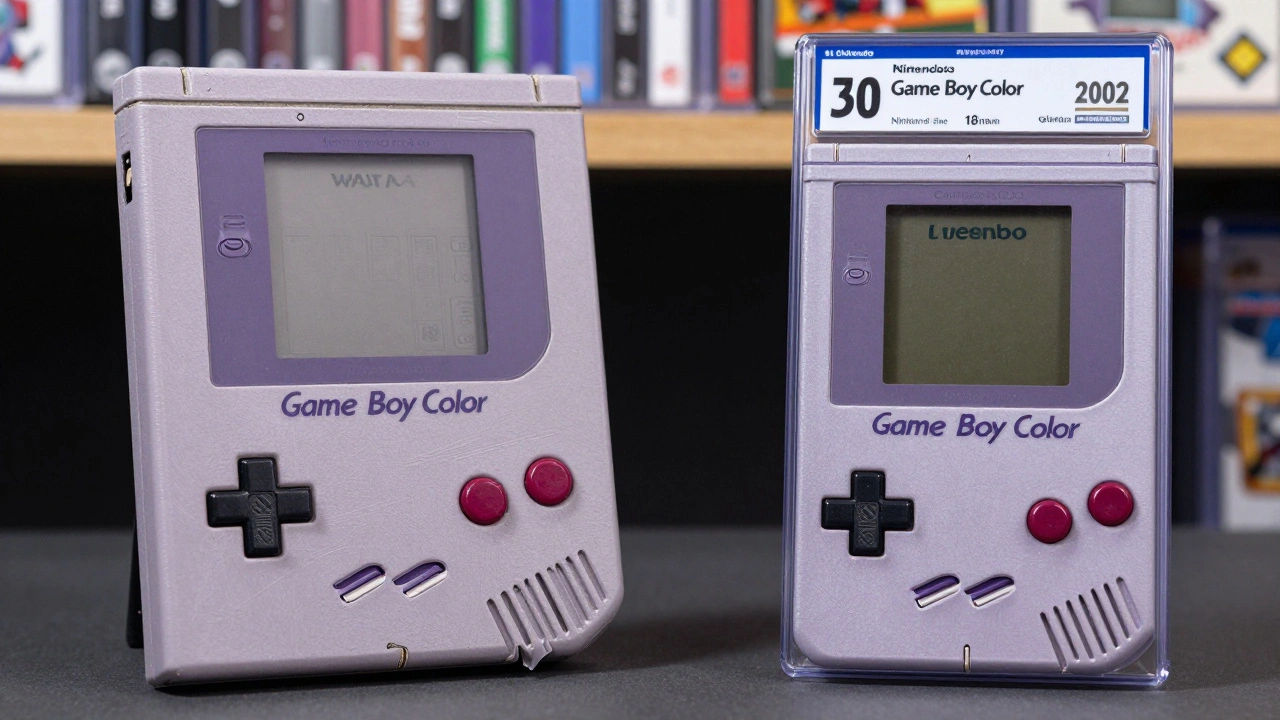
The first thing you notice when you open your graded game is the case. It’s not just packaging-it’s protection. WATA uses a large, bulky holder made of acrylic and plastic, bonded with pins and cement. It’s got an inner blister to shield the game, and a tamper-evident seal. Sounds solid, right? But collectors have reported issues. The inner blister can get foggy from certain angles, making it hard to see the game clearly. Worse, the sharp, rigid corners have been known to cause minor push-in damage on Game Boy cartridges. One collector with over 20 submissions said they saw at least one game with corner damage directly linked to the WATA holder. CGC took a different route. Their holder is medium-sized, designed to fit neatly on a shelf without taking up too much space. Instead of cement and pins, they use ultrasonic welding to bond the plastic. This creates a cleaner, more secure seal with no visible glue lines. The inner blister is still there, and the tamper evidence is clearer. Most collectors agree: the CGC label is the best designed. It clearly shows the game title, system, and release year-like "Nintendo Game Boy Color 2002"-in a way that’s easy to read at a glance.Grading Standards: Who’s Really Strict?
Grading isn’t just about looks. It’s about trust. If a game gets a 9.6, you want to know that it truly deserves it. Here’s where VGA (another major player) stands out-but not necessarily in a good way for everyone. VGA is by far the strictest. Their grading scale is so harsh that a 9.5 from them is like a 9.8 from someone else. One collector submitted 25+ games to VGA and only got one 9.5. They got 8.5s on games they were sure were 9.0+. That means a VGA 9.6+ is rare and valuable-but if you’re hoping for a high grade, you might be disappointed. WATA and CGC are more consistent, but still different. WATA tends to be slightly more forgiving than CGC, especially on older titles. A Pokemon Ruby game that got an 8.5 from VGA ended up with a 9.4 from WATA. That’s a big swing in value. CGC, on the other hand, leans toward precision. They don’t inflate grades, and their scale is more aligned with what the broader market accepts. If you want a grade that holds up when you sell, CGC often gives you the most reliable number.Turnaround Time: How Long Will You Wait?
Time matters. If you’re not in a rush, waiting six months might be fine. But if you’re selling a game for a convention or need cash fast, delays cost you. CGC is the clear winner here. At the lowest submission tiers, they process games faster than anyone else. One collector said they submitted games to WATA that sat for months. CGC? They were done in weeks. For collectors submitting multiple games or on a tight schedule, CGC’s speed is a major advantage. WATA has improved since their early days, especially after the pandemic backlog. But they still lag behind. Their turnaround is "on or ahead of estimates," but those estimates are often 8-12 weeks. VGA? Forget it. Unless you’re okay with waiting 6+ months, avoid them unless you’re chasing that ultra-strict grade.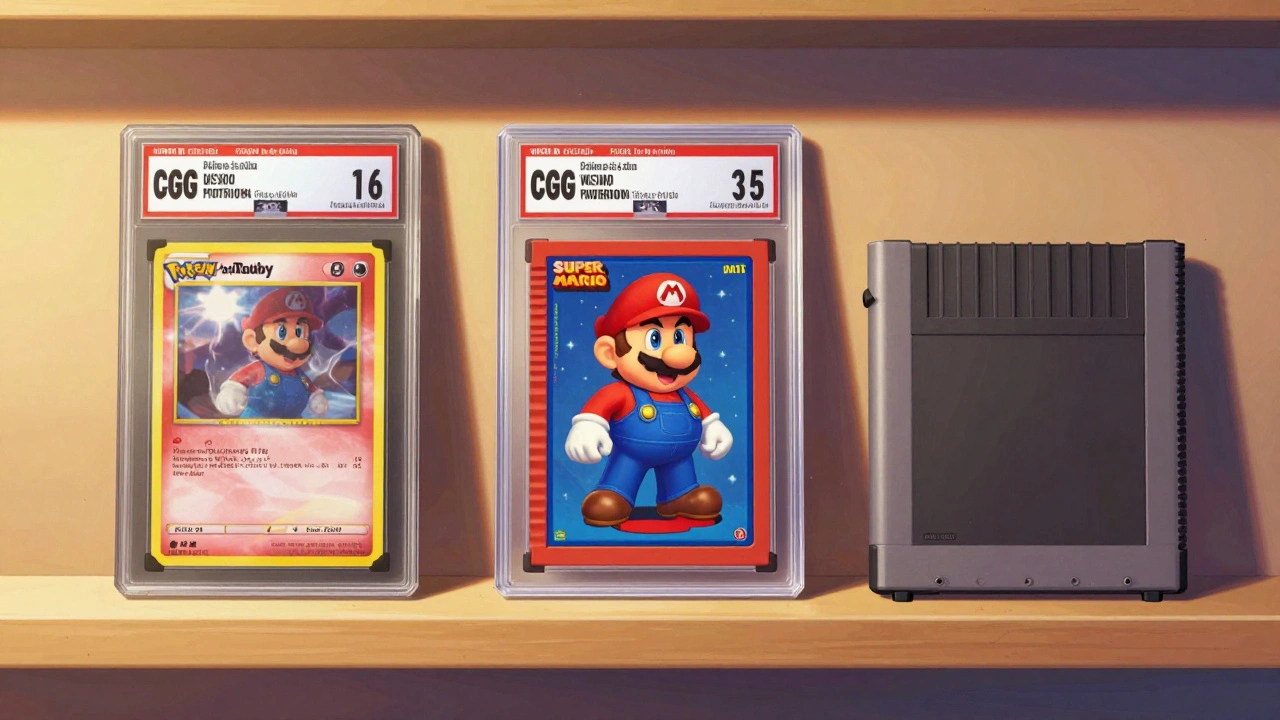
Market Value: Which Slab Sells Best?
This is where things get tricky. There’s no single "best" grader for resale. It depends on the game and who’s buying. PSA still leads in broad recognition because of its decades-long presence in card collecting. If you’re selling to casual buyers or on platforms like eBay, a PSA slab often gets more attention. But for vintage Nintendo and Sega games, WATA built an early reputation. Collectors who specialize in 80s and 90s games still prefer WATA for those titles. Their database and historical grading records give them an edge in niche markets. CGC is growing fast. They’re attracting comic book collectors who are now getting into video games. That crossover audience is expanding, and so is the resale value of CGC-graded games. If you’re targeting serious collectors who care about both comics and games, CGC is becoming the go-to.Display and Shelf Space: What Fits Your Collection?
If you’re displaying your games, the size and clarity of the holder matter. WATA’s large case looks impressive but takes up a lot of shelf space. It’s great for a centerpiece, but if you have dozens of games, it’s not practical. CGC’s medium-sized case fits better on standard shelves. The ultrasonic weld creates a seamless, crystal-clear window with no glare or fogging. The label is centered and easy to read from across the room. VGA’s slim case looks sleek but lacks an inner blister, meaning the game is more exposed. Their cement bonding also makes tamper evidence harder to verify. If you care about long-term preservation and visual appeal, CGC wins again.
Should You Cross Over Your Game?
Some collectors submit the same game to multiple graders to see which slab gets the highest grade. It’s called crossing over. But it’s risky. You pay submission fees each time, and there’s no guarantee the second grade will be better. In fact, it could drop. A game graded 9.2 by WATA might get a 8.8 from CGC-or vice versa. The only time crossing over makes sense is if you have a high-value title with clear market data. Check recent eBay or Heritage Auctions sales for that exact game in each slab. If WATA-graded copies consistently sell for 30% more than CGC, then it might be worth the cost. But for most collectors, pick one grader and stick with it.What Should You Choose?
There’s no universal best. Your choice depends on your goals:- If you want the fastest turnaround and a clean, professional holder: CGC is your best bet.
- If you’re grading a vintage Nintendo or Sega title and want maximum resale appeal in that niche: WATA still holds weight.
- If you’re chasing the highest possible grade and don’t mind waiting: VGA gives you bragging rights-but only if you’re okay with the wait and the risk.
- If you’re selling to the broadest buyer pool: PSA still has the edge.
As of 2026, WATA is rolling out a new holder design to fix the corner damage and fogging issues. CGC continues to gain ground with its reliability and speed. The market isn’t settled yet-but for most collectors, CGC is becoming the default choice.
Is CGC grading better than WATA for modern games?
For modern games (2000s and later), CGC is generally better. Their grading scale is more consistent with market expectations, their holder is more practical for display, and their turnaround time is significantly faster. WATA’s strength lies in vintage titles, especially sealed NES and Game Boy games. For newer releases, CGC offers more reliable value and fewer physical risks.
Why does WATA have corner damage issues?
WATA’s holder uses rigid, sharp corners made of hard plastic bonded with cement. When pressure is applied-like during shipping or shelf stacking-the corners can press into the game’s casing, especially on smaller cartridges like Game Boy. This isn’t a flaw in grading, but a design flaw in the case. CGC’s rounded, ultrasonically welded edges avoid this entirely.
Can I trust a high grade from VGA?
Yes-if you’re looking for a game that’s truly flawless. VGA’s grading is so strict that a 9.6 from them is often equivalent to a 9.8 or 9.9 from other graders. But this also means many games that look pristine get lower grades. If you’re not chasing perfection and just want reliable condition verification, VGA’s harshness might not be worth the wait or the risk of an undergraded game.
Does the grader affect resale value on eBay?
Absolutely. On eBay, PSA slabs get the most visibility because buyers recognize the brand from card collecting. But for niche markets-like collectors of 90s Nintendo games-WATA slabs often sell for more. CGC is gaining traction, especially among buyers who also collect comics. Always check recent sold listings for the exact game and grader before pricing.
Is it worth paying more for a higher submission tier?
Only if you’re submitting high-value games. Higher tiers get faster processing and sometimes include insurance or premium labeling. For games under $500, the standard tier is usually enough. For games worth $1,000+, the extra cost for speed and protection often pays off in peace of mind and quicker resale.