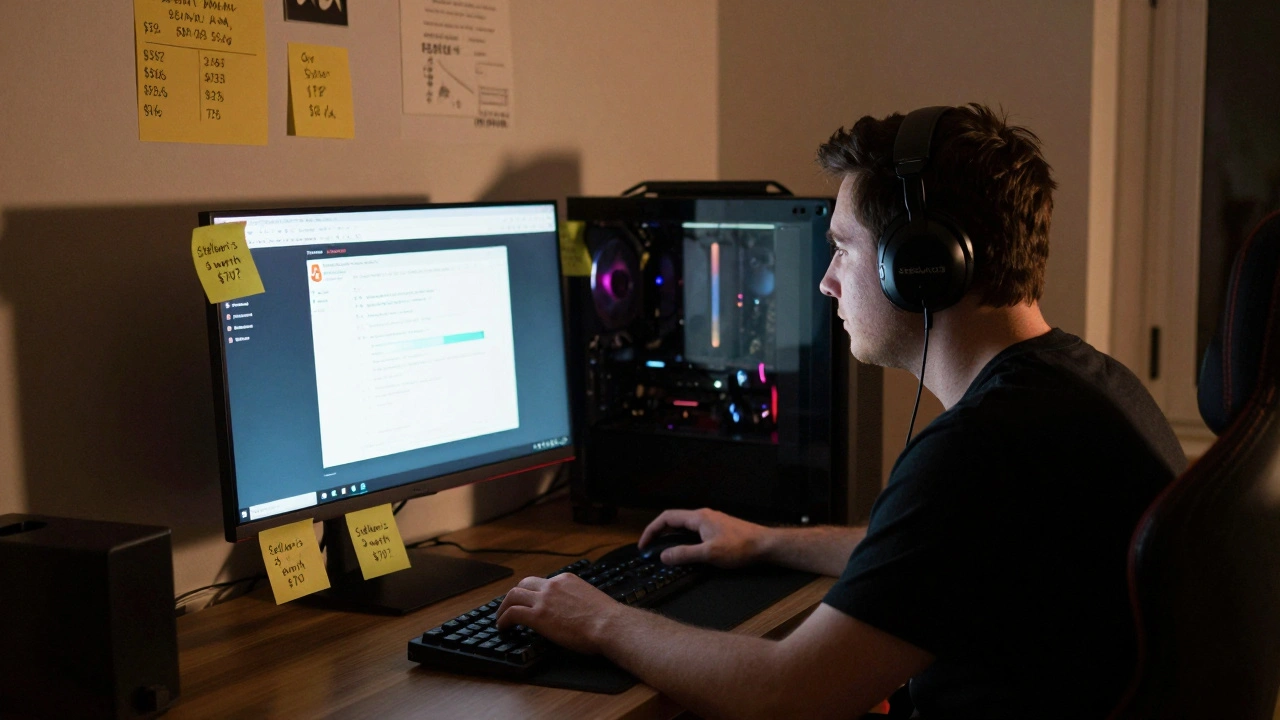
Ever bought a video game, played it for a few hours, and felt like you overpaid? You’re not alone. Millions of players do the same thing-check forums, Reddit threads, and Discord servers to see if others felt the same. This isn’t just venting. It’s a quiet, powerful system: community price checks. These are the real-time, peer-driven evaluations that help players decide if a game is worth its price tag. Unlike official pricing from publishers, this is what people actually say after living with the game for weeks, not just after watching a trailer.
How Community Price Checks Work
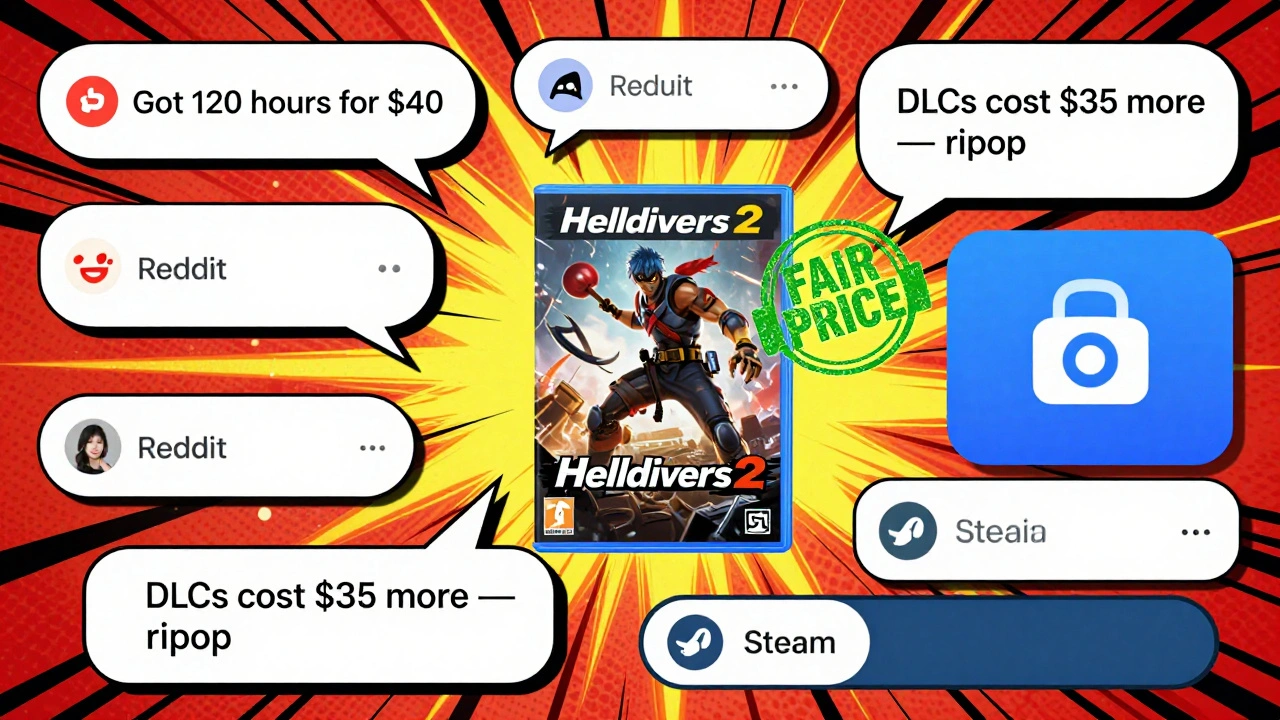
Community price checks happen where players already spend their time: Steam forums, subreddits like r/TrueGameDeals, Discord servers for indie games, and even comment sections on YouTube reviews. Someone posts: "Just bought Stellaris 3 at $70. Is this fair?" Within hours, dozens reply. One says they got it on sale last month for $40. Another says they played 120 hours and still find new content. A third mentions the DLCs cost extra and the base game feels incomplete. These aren’t ratings. They’re value judgments.
This system works because it’s honest. No corporate filters. No marketing spin. Just players who’ve lived the experience. A game rated 9/10 on Metacritic might still be called "a ripoff" if it’s $70 and has five broken features. And a $20 game with minor bugs might be called "worth every penny" if it delivers 30 hours of fun.
Where to Find Reliable Community Appraisals
Not all forums are equal. Some are flooded with bots or paid promoters. Here’s where to look for real insights:
- Steam Community Hub - Each game has its own discussion page. Look for threads titled "Price worth it?" or "Value after 20 hours." Filter by "Most Helpful" and check the date. Posts from 3+ months after launch are most reliable.
- r/VideoGames and r/GameDeals - These subreddits have thousands of daily posts. Search "price check" or "worth it?" and sort by "Top" for the past month. Avoid posts from launch day-they’re too fresh.
- Discord servers for indie games - Smaller games often have dedicated servers. Look for channels like #price-feedback or #value-talk. These are usually run by long-time players who track price trends.
- Reddit’s Game Price Tracker - A community-run tool that logs historical prices. If a game’s current price is 30% above its 6-month average, that’s a red flag.
Pro tip: Ignore replies that say "It’s great!" without explaining why. The useful answers include specific numbers: "I got 47 hours of gameplay," "The DLCs cost $35 extra," or "I waited 4 months and it dropped 60%.">
What Makes a Game "Fairly Priced"?
There’s no universal rule, but community consensus points to three clear factors:
- Playtime per dollar - If a game gives you 20 hours of solid content at $60, that’s $3/hour. At $30, it’s $1.50/hour. Most players consider anything under $2/hour a good deal. For indie games, $1/hour is often seen as excellent.
- Post-launch support - A $50 game that gets free updates, bug fixes, and new modes for 6 months feels worth it. A $50 game that gets one patch and then goes silent? That’s a dealbreaker.
- Content completeness - If a game cuts features and sells them as DLCs later (like armor packs, maps, or story expansions), players call it "pay-to-complete." This tanks perceived value, even if the base game is great.
For example, Helldivers 2 launched at $40. Players quickly noted it had 50+ hours of co-op content, zero microtransactions, and weekly free updates. The community consensus? "Perfect price." Meanwhile, Starfield launched at $70 with dozens of bugs and no free DLC for months. Even fans admitted it felt overpriced.
Tools That Help Track Fair Value
Some tools are built by players, for players:
- IsThereAnyDeal.com - Tracks price history across 15+ stores. Shows when a game last dropped and how deep the discounts go. Use it to see if today’s price is normal or a scam.
- SteamDB - Shows exact sale history, including regional pricing. If a game was $25 in Europe last year but is $60 in the U.S. now, that’s worth investigating.
- GameBlast - A new community app (launched late 2025) where users rate games on "value score" (1-10) based on playtime, updates, and DLC pricing. Over 120,000 users have submitted data. It’s not perfect, but it’s the closest thing to a crowdsourced appraisal system.
These tools don’t tell you what to buy. They show you patterns. A game that’s been $50 for 18 months and never dropped? That’s unusual. Most AAA games drop 40-60% within 6 months. If it hasn’t, ask why.
Why This Matters More Than Ever
Game prices have climbed. In 2020, the average AAA title was $60. By 2026, it’s $70-$80. Meanwhile, the number of games released each year has doubled. Players can’t afford to guess. Community price checks give them power. They’re not just reviews-they’re collective bargaining.
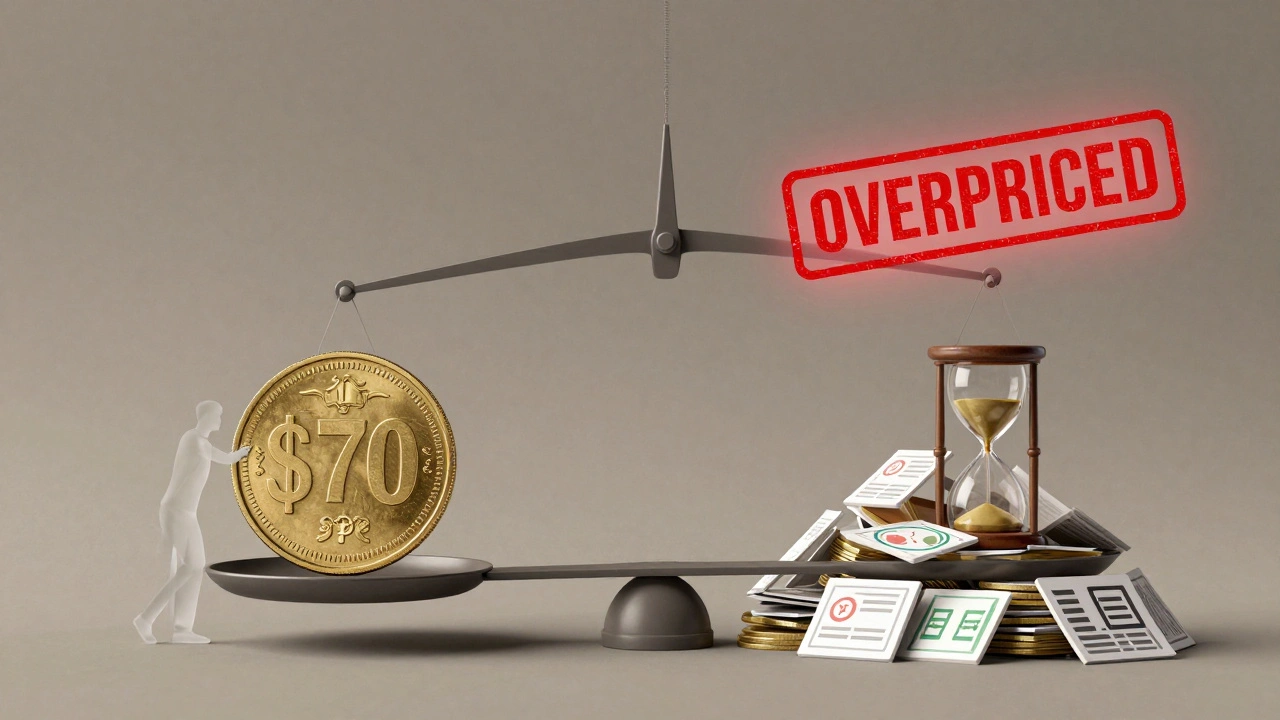
When enough people say a game is overpriced, publishers notice. Look at Redfall-launched at $70, got crushed for its broken state and lack of content. Within 90 days, it dropped to $35. The community didn’t just complain-they made the market adjust.
Even indie devs listen. A game called Wildermyth had a $25 price tag. After players pointed out the story system was deep enough to justify $35, the devs offered a "pay-what-you-want" upgrade option. Many paid $30. The devs said it was the most honest pricing model they’d ever seen.
How to Use This System Yourself
Here’s how to get smart about game pricing:
- Wait 30 days after launch. Most bugs and DLC plans surface by then.
- Search the game’s name + "price check" on Reddit or Steam. Read the top 5 replies.
- Check IsThereAnyDeal.com. If the current price is above the 6-month average, wait.
- Look for mentions of "no DLC," "free updates," or "complete content." Those are value signals.
- If you’re still unsure, ask in a Discord server. Say: "Has anyone played this? Was it worth the price?" You’ll get honest answers.
Don’t let marketing decide your budget. Let the people who’ve already played it.
What to Avoid
Not all advice is good:
- Avoid "It’s $50, just buy it!" without context. That’s not a value judgment.
- Ignore posts from launch day. You need time to see how the game evolves.
- Don’t trust influencers who say "This is the best game ever!" and then link to a store. That’s promotion, not appraisal.
- Don’t assume a high Metacritic score means fair pricing. A 92-rated game can still be overpriced if it’s $80 and has 10 hours of content.
The best price check isn’t a number. It’s a pattern. Look for consistency across multiple sources. If 8 out of 10 players say it’s overpriced, it probably is.