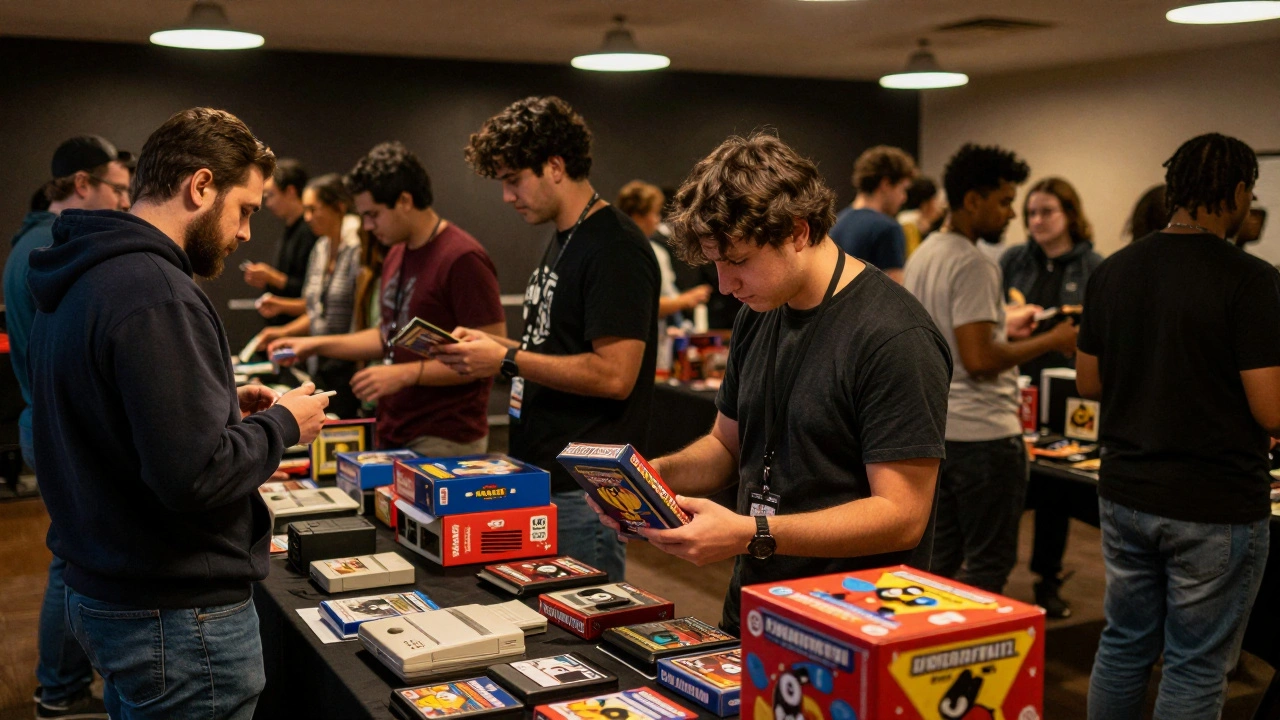
Imagine walking into a room where someone has the exact cartridge you have been hunting for the past five years. It happens regularly at Themed Trade NightsA Themed Trade Night is a community gathering event where participants buy, sell, and exchange collectibles centered around specific categories.. Unlike big box stores or formal conventions, these events run on peer-to-peer energy. You bring what you want to trade, you find what you need, and you leave with something new. But making it happen requires more than just finding a room. You need a plan that keeps the community safe, engaged, and excited enough to come back next month.
This guide covers the practical steps to launch your own video game system swap meet. We are talking about setting up logistics that work, securing valuable inventory, and building a group of people who actually show up. By focusing on specific consoles, you turn a chaotic flea market into a focused treasure hunt for enthusiasts.
Defining Your Focus and Theme
Trying to cover every game ever made makes for a messy event. A better approach is to narrow the scope. When you decide to organize themed trade nights for specific video game systems, you help buyers find exactly what they need faster. Instead of searching through thousands of mixed items, a participant interested in Nintendo hardware knows exactly where to look.
You can choose themes in several ways. One common method is the platform-based theme. You might designate one month for the Nintendo Entertainment SystemNES was a popular home console released in the mid-1980s. and the next for the Sega GenesisThe Sega Genesis was a 16-bit home video game console that competed with the Super Nintendo.. This specificity helps collectors track down missing titles without sorting through unrelated modern games.
Alternatively, you can structure events by condition or format. Some communities prefer "boxed games only" nights, where loose cartridges cannot enter the swap floor. Others focus purely on accessories like controllers, cables, and power bricks. Whichever path you pick, communicate this theme clearly in your promotion materials so vendors know exactly what to bring.
Choosing the Right Venue and Schedule
Where and when you host matters more than you think. Successful community events rely on predictability. People have busy lives. If your event jumps around dates randomly, you lose the regular crowd. Look for a venue that offers a free or low-cost space, such as a community center, library basement, or a partner bar.
The operational model used by established groups often involves holding events monthly on a set day, like the first Saturday of the month. Timing is critical. An evening slot between 6:00 PM and 9:00 PM works best for working adults. This turns the trade night into social activity rather than a weekend morning chore. Evening hours also align with times when people are out drinking or hanging out, potentially increasing foot traffic if your venue is in a lively district.
Regarding admission, free entry removes barriers to participation. Vendors set up their tables without paying a booth fee, and attendees walk in without buying a ticket. This encourages higher volume, which benefits everyone because more eyes mean faster sales. However, ensure the venue provides basic amenities like parking and accessible restrooms.
| Logistics Element | Recommended Approach | Why It Works |
|---|---|---|
| Frequency | Monthly | Builds routine and anticipation |
| Day of Week | Saturday Evening | Fits after-work schedules |
| Admission Cost | Free | Maximizes attendance and turnout |
| Venue Type | Community Space/Bar | Provides casual social atmosphere |
Setting Up Vendor Tables Correctly
The physical layout of a vendor's display dictates how many items get sold. A cluttered, confusing table scares away buyers. You want them to see options instantly. Start by grouping related items together. Do not mix different systems on the same shelf. Keep all Super Nintendo games separate from PlayStation discs. This categorization allows a serious collector to scan a single row and verify availability in seconds.
Orientation matters too. Items should face the approaching customer, not the seller. If you stand behind the table, the labels should be right-side up for the person standing across from you. This might seem obvious, but many first-time sellers arrange their stock for their own convenience. Flip everything for the browser. If they have to ask you to flip a box to read the title, you have lost momentum.
Spacing is another key factor. Leave room on the table for the buyer to set down their backpack or carrying case. Attendees often carry their own merchandise to compare trades. If they have nowhere to put their bag, they cannot negotiate comfortably. Creating a perimeter buffer zone around the table lets the deal-making process happen naturally without the awkwardness of kneeling on the floor to examine a cartridge.

Security and Loss Prevention Strategies
Honesty is the norm at most gatherings, but trade nights differ from enclosed retail stores. Your table is exposed to the public. You must design your layout to protect high-value items while keeping the vibe open.
The golden rule is distance. Place your most expensive or rare items in the rows closest to your body. Put the common, lower-priced games on the outer edges. This creates a natural barrier. If someone tries to swipe a rare sealed copy, they are moving through the cheaper stuff first, drawing attention immediately.
Avoid leaving the table unattended. Even for a minute, gaps in supervision invite opportunistic loss. If you need to use the restroom, ask a friend to watch the spot. While you cannot eliminate risk entirely, smart positioning reduces the temptation significantly. Acknowledge that theft is a possibility of informal markets, and prepare your inventory accordingly by valuing what is actually missing versus what feels important.
Building Community Momentum
One successful night does not equal a sustainable community. You need to ensure people return for the second, third, and fourth events. The best way to do this is by establishing a communication channel. Use platforms where collectors already hang out. Social media groups dedicated to retro gaming are goldmines for announcements.
Create a feedback loop. Ask attendees what worked and what did not after the event. Did they find enough variety? Was the lighting good? Did they feel safe? Addressing small issues quickly shows respect for the participants. Many organizers report that once a few members become regulars, they naturally recruit friends. Word-of-mouth remains the strongest marketing tool for niche hobbies.
Incentives also help. Some venues partner with local bars to offer perks. For example, attendees might receive a wristband that grants free drink access or discounts at the location. These small rewards transform a simple swap meet into a party where the primary activity is swapping games, but the atmosphere supports socializing afterwards.

Preparation Checklist Before Launch
Before you open the doors for the first time, verify these logistical basics. Preparation prevents panic when hundreds of people arrive.
- Confirm venue booking and accessibility permissions
- Print signage explaining the theme and any house rules
- Assign volunteer roles for door monitoring and setup assistance
- Set up payment processing options (cash is king, but cards help)
- Arrange for adequate lighting over vendor tables
- Establish a contact point for disputes or emergencies
If you ignore the payment aspect, you might frustrate serious sellers. While cash dominates retro trading, having a card reader available adds legitimacy. Also, be clear about your policy regarding defective items. Will you allow returns? Usually, trade nights operate on an "as-is" basis. Make this rule visible so arguments don't escalate during the event.
Troubleshooting Common Issues
Even with planning, hiccups occur. Maybe fewer vendors show up than expected. Maybe a specific system gets crowded while others sit empty. Adaptability is key. If one area is dead, move vendors around to consolidate the action. If noise gets too high, gently remind people that negotiations require hearing each other.
Another frequent issue is pricing. Some sellers may price items unrealistically high. As an organizer, you generally shouldn't police prices, but you can guide vendors to research current market values beforehand. Providing a price guide link via email before the event can help everyone feel confident in their asking prices, reducing friction during negotiations.
Keep the energy positive. Trade nights are primarily about connection. If a vendor is rude or a buyer causes drama, remove them politely. Protecting the environment ensures that the nice majority stays for the long haul.
Frequently Asked Questions
Can I sell games at a trade night?
Yes, selling is a standard part of the trade night experience. Most venues allow vendors to bring items they wish to sell alongside items they wish to trade. Just be prepared with small change for cash transactions and clearly label your prices.
Is there an entry fee to attend?
Many successful trade nights offer free admission to encourage maximum attendance. Some venues might charge a small fee if they are hosting special activities, but the general trend favors keeping the floor free to build community momentum.
What is the best way to protect my items from theft?
The best defense is placement. Keep high-value items in the center of the table near your body. Do not leave the table alone. Positioning valuable goods away from the outer edge makes them harder to grab without notice.
How often should I host a trade night?
Monthly consistency works best for community retention. Setting a recurring date, such as the first Saturday of every month, allows regulars to mark it on their calendars and anticipate the event.
Should I accept credit cards?
While cash is preferred, accepting credit cards expands your potential buyers. Mobile payment apps or portable readers are affordable tools that reduce friction for buyers who don't carry large bills.
Starting a Video Game Trade Night is a significant effort, but the payoff is seeing neighbors connect over shared passions. You aren't just moving plastic boxes; you are preserving history and building a support network. With careful planning on logistics, security, and scheduling, your event can become the highlight of the month for gamers in your city.