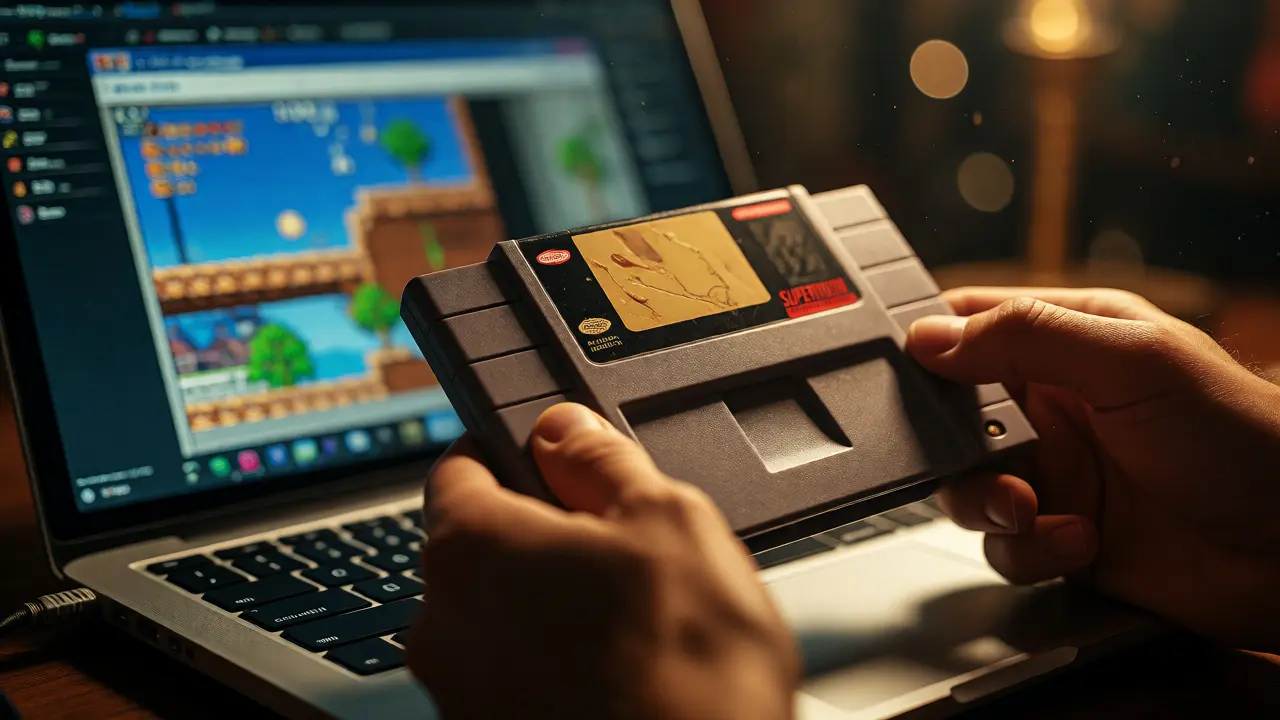
You downloaded a ROM of your childhood favorite, fired up an emulator, and suddenly you’re back in 1995. But here’s the kicker: did you own that cartridge? Did you dump it yourself? Or did you just grab it from a random forum thread where someone else did the heavy lifting? This isn’t just about nostalgia; it’s about the fragile ecosystem that keeps our digital history alive. If you’ve ever felt guilty hitting "download" or confused by why some communities ban links while others celebrate them, you aren’t alone. The line between preserving art and stealing product is blurry, but navigating it doesn’t require a law degree-just a bit of common sense and respect for the work involved.
The Preservation Paradox
Let’s be real: video games are ephemeral. Unlike books or paintings, they rely on specific hardware to exist. When a console dies, its library risks extinction unless we copy it. This is where Video Game Emulation software that allows one computer system to behave like another system steps in. It acts as a time machine, letting modern PCs run code written for chips from decades ago. But this power comes with a moral weight. Are you a preserver keeping history accessible, or a pirate skipping the price tag? The answer often depends on intent and context, not just the file itself.
Consider Abandonware. These are games no longer sold or supported by publishers. Technically, copyright still applies, but the commercial life has ended. Sharing these feels different than ripping a brand-new release. However, legal gray areas don’t erase ethical questions. If a developer relies on sales to fund their next project, downloading their latest hit for free hurts them directly. If a 30-year-old game sits in a warehouse gathering dust, sharing it helps culture survive. Knowing which category your download falls into is step one.
Community Norms vs. Legal Reality
Every online space has its unwritten rules. In emulation forums, linking directly to copyrighted files is often frowned upon or banned entirely. Why? Because those links get taken down constantly via DMCA strikes, clogging up servers and annoying moderators. Instead, communities prefer ROM Dumps, which are raw copies of original cartridges or discs made by enthusiasts using specialized hardware. The logic is simple: if you own the physical copy, you have the right to make a backup. You shouldn’t need to ask permission to play your own property on a different device.
This distinction matters more than you might think. A site hosting millions of unverified downloads operates differently than a wiki documenting how to rip your own Super Nintendo cart. One facilitates passive consumption; the other encourages active participation. Ethical sharing means pointing people toward tools and methods rather than handing them pre-chewed content. It respects the effort of those who built the emulators and documented the quirks of each title. If you’re new to this, start by learning how to verify checksums. That small step proves you care about accuracy, not just convenience.
The Role of Developers and Publishers
Not all companies view emulation as theft. Some, like Nintendo, historically took a hard stance against unauthorized distribution, sending takedown notices even to preservation projects. Others, such as certain indie developers, embrace it, releasing official ports or allowing fan translations. Understanding your favorite publisher’s stance can guide your behavior. If a company actively supports retro re-releases, buying them supports future projects. If they ignore old titles entirely, you’re likely filling a gap they won’t fill themselves.
There’s also the issue of region locking and localization. Many classic games never left Japan. Without emulation, Western players would never know these gems existed. Fan translation groups spend hundreds of hours translating text and debugging scripts. They rarely charge for their patches, relying on goodwill. Using their work without crediting them-or worse, selling compiled collections on eBay-is a breach of trust. Always check the credits included with a patch. Those names represent real people who donated their weekends to your entertainment.
Practical Ethics: A Checklist for Users
So, how do you stay on the right side of the line? It boils down to transparency and reciprocity. If you share knowledge, give credit. If you share files, explain their source. Here’s a quick breakdown of what’s generally considered acceptable versus questionable within the community:
| Action | Ethical Rating | Why? |
|---|---|---|
| Dumping your own physical copy | Highly Recommended | Supports ownership rights and ensures file integrity. |
| Sharing a link to a public archive | Acceptable | Helps others find resources without hosting bandwidth costs. |
| Posting direct download links | Context Dependent | Can lead to broken links and legal issues for the host. |
| Selling used carts with ripped backups | Controversial | Blurs the line between resale and distribution. |
| Using fan translations | Encouraged | Keeps niche titles accessible and honors translator effort. |
Notice that none of these actions require you to stop playing. They just require mindfulness. For instance, if you download a game to try it out, consider buying it later if you love it. This "try before you buy" model works well for indie titles and lesser-known classics. It turns a potential loss into a sale. Plus, owning the physical copy gives you bragging rights and a tangible connection to the medium.

Handling Disputes and Misinformation
Misunderstandings happen. Someone might accuse you of piracy when you’re actually discussing preservation techniques. How you respond defines your reputation in the community. Avoid defensiveness. Instead, clarify your source. Say, "I dumped this from my original US release," rather than "It’s fair use." The latter is a legal argument; the former is a factual statement. Facts are harder to dispute.
Also, beware of misinformation spreading faster than truth. Not every "hack" is safe. Some modified ROMs introduce bugs or remove features without explanation. Stick to reputable sources for documentation. Sites like the RetroAchievements database or dedicated wikis provide verified data on game versions and fixes. Relying on these reduces the chance of accidentally spreading corrupted files or bad advice. When in doubt, ask experienced members. Most veterans are happy to help if you show you’ve done your homework first.
Beyond Files: The Human Element
At its core, emulation is about people connecting over shared experiences. It’s not just binary data; it’s memories, challenges, and creativity. When you share knowledge, you’re contributing to a collective archive. Treat it with care. Don’t gatekeep beginners, but don’t spoon-feed them either. Point them to guides on how to configure controllers or adjust frame rates. Empower them to solve problems independently. This builds a stronger, more self-sufficient community.
Remember, the goal isn’t to hoard games but to ensure they remain playable for generations to come. Every successful boot-up is a victory against obsolescence. By following basic ethical guidelines, you help maintain the trust and collaboration that make this possible. So next time you fire up that emulator, take a second to appreciate the chain of effort-from the original coders to the modders to the friends who helped you set it up. That gratitude goes a long way.
Is downloading ROMs always illegal?
Technically, yes, in most jurisdictions, because copyright laws persist regardless of whether a game is commercially available. However, enforcement varies widely, and many users operate under the assumption that backing up owned media is permissible. The ethical focus is usually on supporting creators and respecting preservation efforts rather than strict legal compliance.
What is the difference between a ROM and an ISO?
A ROM (Read-Only Memory) typically refers to data extracted from cartridge-based systems like NES or SNES. An ISO is a disk image format used for CD or DVD-based consoles like PlayStation or Sega Saturn. Both serve the same purpose: providing the game data to an emulator, but they originate from different storage media.
Should I buy the game if I emulate it?
Ideally, yes. Buying the game supports the developers and publishers, ensuring they can continue creating content. For rare or abandoned titles where purchasing isn't feasible, emulation serves as a vital preservation tool. The key is intent: use emulation to access games you value, not just to avoid paying.
Are fan translations ethical to use?
Yes, provided you credit the translators and follow any usage licenses they specify. Fan translations often make otherwise inaccessible games playable. Supporting these projects through donations or feedback helps sustain the hobby and acknowledges the significant labor involved in localization.
How do I verify a ROM's authenticity?
Use checksum verification tools like HashTab or built-in emulator features to compare your file's hash against known good values listed on databases like No-Intro or Redump. Matching hashes confirm that your file is an exact, unaltered copy of the original release, ensuring stability and accuracy.