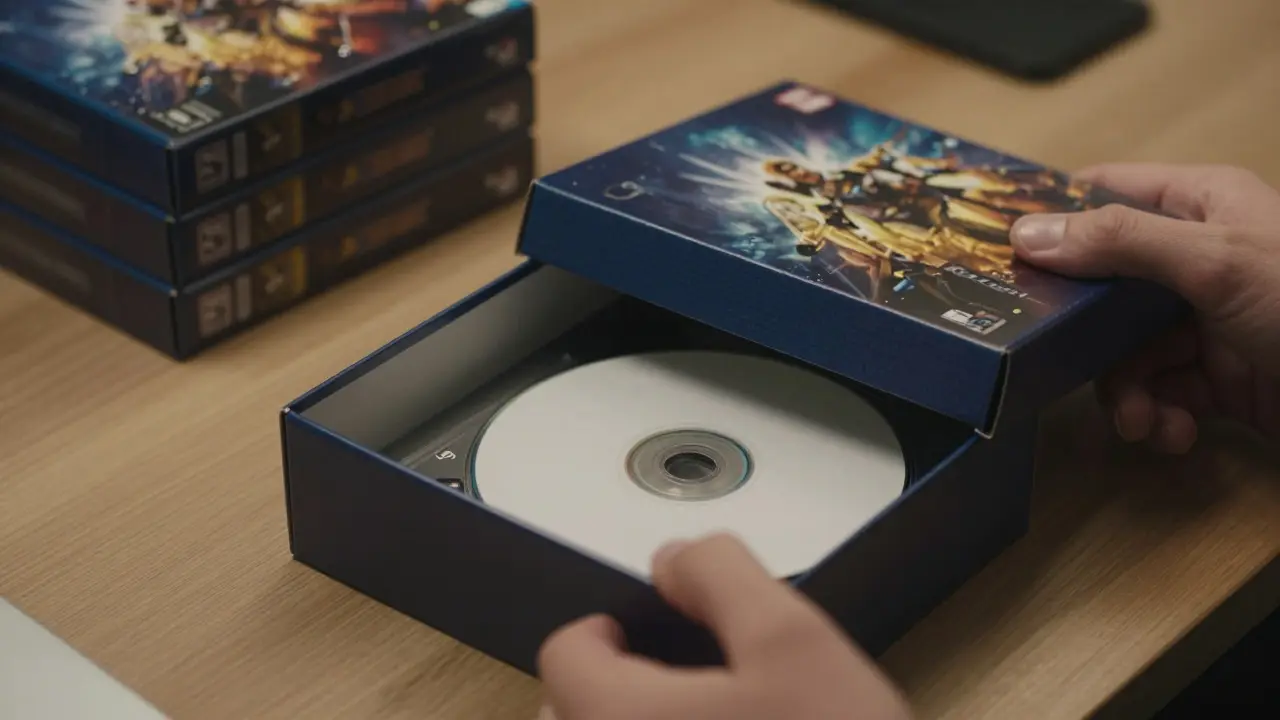
Imagine pre-ordering a highly anticipated Limited Edition Video Game is a physical copy of software released in a restricted quantity with exclusive bonuses. You pay the full retail price, wait for weeks, and finally receive your package. But when you open it, the box looks different. The special art is missing. The bonus disc isn't there. Or worse, you realize someone bought ten copies at launch to resell them for triple the cost on eBay. This frustration is not unique; it is the daily reality for thousands of gamers who care about physical media.
The debate around scalping has moved beyond simple annoyance. It touches on legal boundaries, community trust, and the value we place on digital versus physical ownership. Is buying low and selling high just smart business, or is it exploiting a broken system? To understand this, we need to look past the price tags and examine how these transactions affect the people actually playing the games.
What Defines a Limited Edition Release?
Not every boxed game is created equal. A standard release is mass-produced and available indefinitely. A Limited Edition is a specific variant of a video game product manufactured in a capped number of units. These releases often include steelbooks, collector's figures, soundtracks, or exclusive in-game content that cannot be purchased separately. Publishers like Sony Interactive Entertainment and Nintendo frequently use these tiers to drive hype and reward loyal fans.
The scarcity here is artificial but real. Because the supply is fixed, demand drives the price. If 10,000 copies are made and 50,000 people want one, the secondary market becomes the only way for the other 40,000 to get their hands on the product. This creates a vacuum that scalpers rush to fill. They are not creating new supply; they are intercepting existing supply.
The Legal Gray Area of Reselling
Many gamers assume scalping is illegal because it feels unfair. In most jurisdictions, including the United States and the European Union, it is actually perfectly legal. The concept of "first sale doctrine" allows you to resell any physical item you legally purchased once you own it. There are no federal laws capping the price of a video game box.
However, local regulations can vary. Some cities have implemented anti-scalping ordinances near event venues, but these rarely apply to online sales. The legal protection for buyers is weak. Unless a seller misrepresents the condition of the item (e.g., claiming a sealed box is unopened when it was previously opened), you are largely stuck with what you paid. This lack of legal recourse shifts the burden of ethics entirely onto the community.
Community Trust and the Social Contract
This is where the perspective shifts from law to culture. Gaming communities operate on an implicit social contract. When a publisher announces a limited run, fans expect a fair distribution method. Usually, this means first-come, first-served via pre-orders. When scalpers use bots to buy out entire store inventories in seconds, they break this contract.
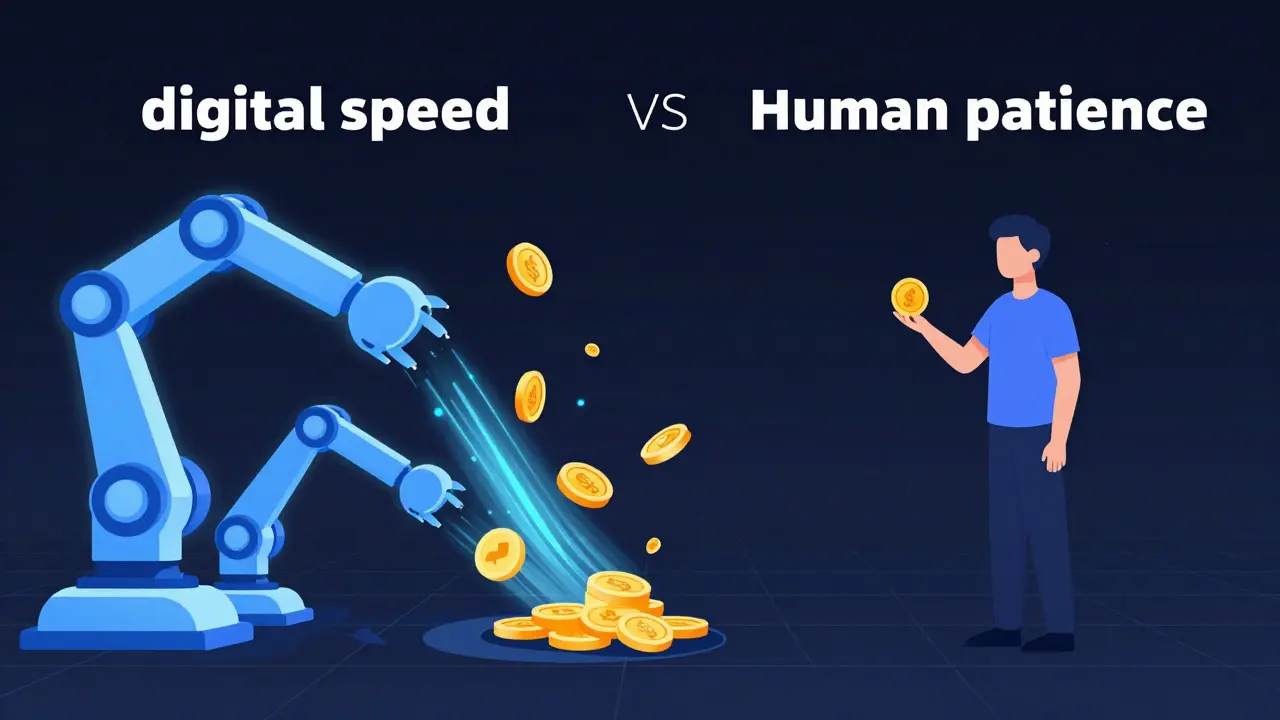
The damage isn't just financial. It erodes trust. If a fan sees that their pre-order might be sniped by a bot before it even ships, why bother supporting the official channel? This leads to a cycle where publishers lose direct revenue, and fans lose faith in the physical format. The community perspective argues that while the act is legal, the intent-exploiting automated advantage over human patience-is unethical.
Economic Impact on Collectors vs. Gamers
We need to distinguish between two types of buyers: the player and the collector. For the player, a $60 game sold for $180 is a rip-off. They just want to play the story. For the collector, however, the higher price might be justified if it ensures the item remains in circulation rather than sitting in a warehouse. Some collectors argue that scalping acts as a market stabilizer, preventing rare items from disappearing into private vaults forever.
Yet, this argument falls apart when we look at the data. Secondary market prices for popular titles like *The Legend of Zelda* or *Elden Ring* often spike within hours of release and stay elevated for months. This inflation doesn't help the average gamer; it only benefits those who already own the item or those willing to pay premium prices for status. The result is a divided community where access to cultural artifacts depends on wallet depth rather than interest in the game itself.
Strategies for Fair Access
If you want to avoid becoming a victim of scalping, you need to change your approach to purchasing. Here are practical steps that experienced collectors use:
- Pre-order early: Most limited editions have a strict window. Set a reminder for the exact minute the pre-order opens.
- Use multiple platforms: Don't rely on just one retailer. Check Amazon, Best Buy, Walmart, and independent local game stores simultaneously.
- Join raffles: Many indie developers and smaller publishers use raffle systems instead of first-come, first-served. Enter all of them.
- Buy directly from developers: Studios like CD Projekt Red or Capcom sometimes sell limited editions through their own websites with lower bot activity.
- Check local used markets: Sometimes, a used copy of a limited edition appears on Facebook Marketplace or Craigslist days after release. The risk is higher, but so is the potential savings.
Comparing Purchase Channels
Understanding where to buy helps you navigate the ethical landscape. Each channel has its own risks and rewards regarding scalper activity.
| Channel | Scalper Risk | Price Stability | Best For |
|---|---|---|---|
| Official Retailer Pre-order | High (Bot Activity) | Low (Sells Out Fast) | First-time buyers, casual fans |
| Developer Direct Store | Medium | Medium | Indie titles, niche audiences |
| eBay / Secondary Market | N/A (You are buying from them) | High Volatility | Missing out on launch, latecomers |
| Local Used Stores | Low | Variable | Budget-conscious players, trade-ins |
The Role of Digital Ownership
Some argue that the solution to physical scalping is to abandon physical media entirely. Digital versions don't have boxes to resell. However, this ignores the core issue: scarcity. Even digital games have limited-time offers or exclusive DLC tied to physical purchases. Furthermore, digital ownership lacks the tangible value that makes limited editions desirable in the first place. As long as humans value physical objects, the market for reselling them will exist. The question remains whether we accept this market as a necessary evil or fight for better distribution models.
Frequently Asked Questions
Is it illegal to buy a limited edition game and resell it?
In most countries, no. Once you legally purchase a physical item, you own it and can resell it at any price. However, some local laws may restrict street vending or require permits for commercial resale activities.
How do scalpers manage to buy out stock so quickly?
They typically use automated software known as bots. These scripts monitor inventory levels and place orders in milliseconds, far faster than a human can click. They also often use multiple credit cards to bypass per-customer limits.
Should I buy from a scalper if I missed the pre-order?
It depends on your budget. If the price is reasonable to you, it is a valid transaction. Just ensure the seller is reputable to avoid counterfeit goods. Buying from a scalper does not make you complicit in unethical behavior; you are simply participating in the secondary market.
Do publishers ever ban scalpers?
Rarely, because it is difficult to prove intent. Publishers usually focus on banning accounts that violate terms of service, such as using multiple accounts to buy more than the allowed quantity. If a scalper buys one copy per account legitimately, it is hard to take action without legal grounds.
What is the best way to protect my pre-order from being sniped?
There is no guaranteed way, but choosing retailers with robust anti-bot measures helps. Also, consider pre-ordering from local stores that allow in-store pickup, as these are harder for remote bots to target effectively.