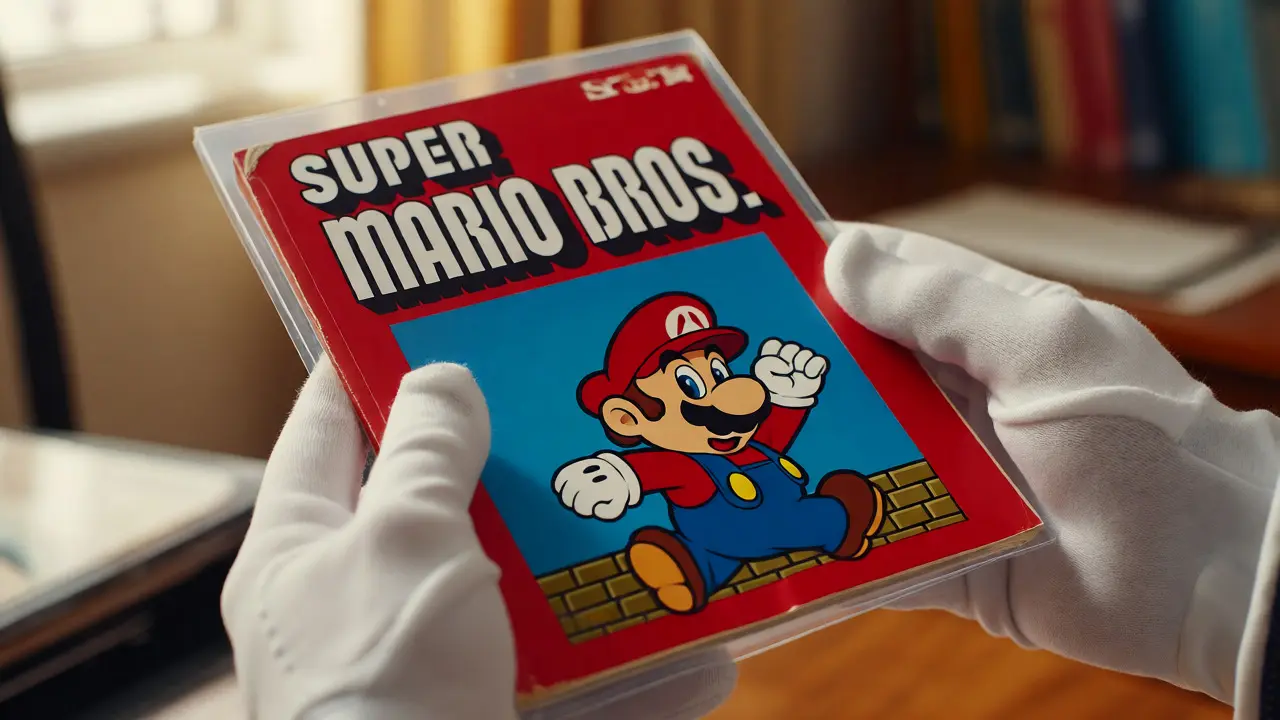
You just found a pristine copy of the Super Mario Bros. instruction booklet in a thrift store bin. It’s crisp, the colors are vibrant, and it feels like holding a piece of history. But if you toss it on your bookshelf next to a sunny window, that magic will fade faster than you think. Paper is fragile. Ink fades. Bindings crack. If you’re serious about keeping your strategy guides and video game manuals looking good for decades, you need a plan that goes beyond "don't spill coffee on it."
Most collectors treat manuals as disposable extras, but for those of us who grew up with physical media, these booklets are part of the experience. They contain maps, lore, and tips that digital versions often strip away or change entirely. Preserving them isn’t just about hoarding; it’s about maintaining the integrity of the artifact. Whether you have a stack of Nintendo Power magazines or rare BradyGames handbooks, here is how you stop time from eating your collection.
Why Your Manuals Are Dying (And How to Stop It)
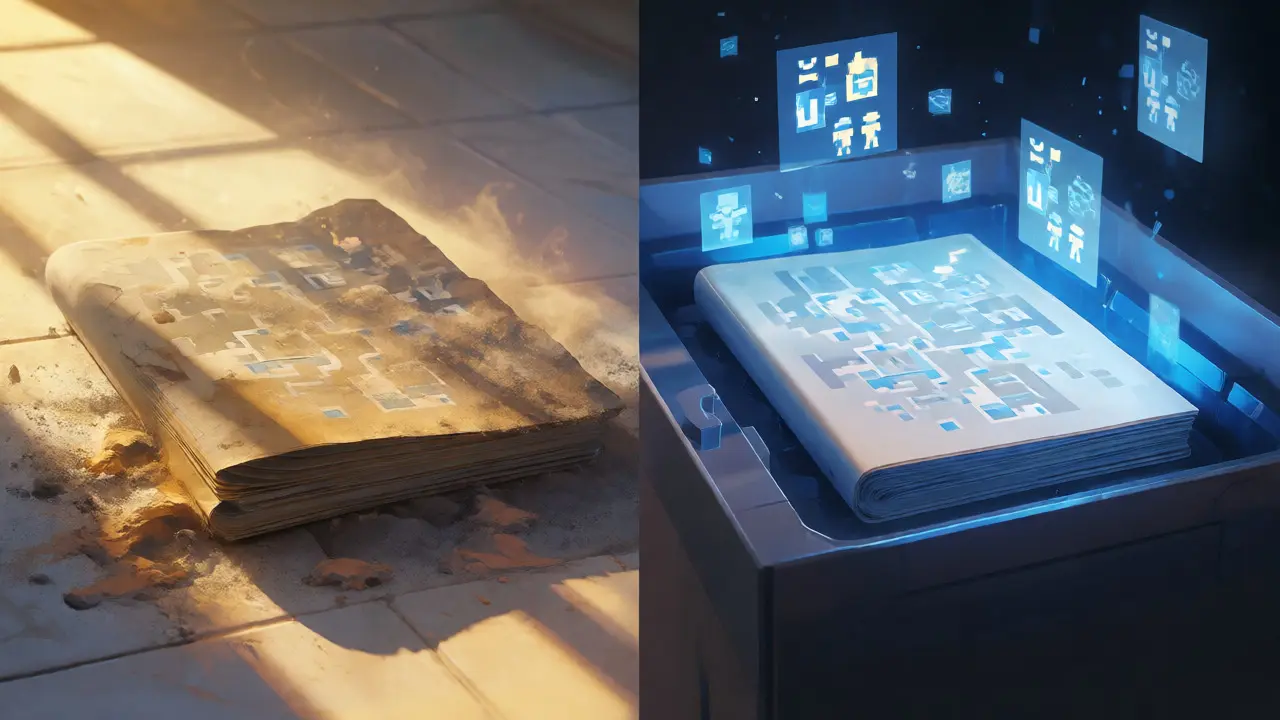
Before you buy any supplies, you need to understand what you’re fighting against. Three things kill paper: light, humidity, and acid. Sunlight breaks down chemical bonds in ink and paper fibers, causing yellowing and brittleness. Humidity makes paper swell and shrink, which can warp pages or loosen bindings. Acid, present in many older papers, slowly eats away at the cellulose, turning pages brown and crumbly over time.
If you live in a place like Portland, Oregon, where I am, humidity is a constant threat. You don’t need a museum-grade climate-controlled vault, but you do need to be smarter than average. Storing books in a basement or attic is usually a bad idea unless you have rigorous dehumidification. The sweet spot for most paper collections is a stable environment: around 65-70°F (18-21°C) and 40-50% relative humidity. Fluctuations are worse than slightly imperfect conditions because they cause mechanical stress on the binding.
The Right Storage Materials Matter
Gone are the days when you could wrap everything in newspaper or stick it in a plastic bag from the grocery store. In fact, standard polyethylene bags can trap moisture and off-gas chemicals that damage paper. You need archival-quality materials. This sounds expensive, but for small booklets, it’s surprisingly affordable.
- Acid-Free Sleeves: These are your first line of defense. Look for sleeves made from unbuffered acid-free paper or inert plastics like polypropylene. Polypropylene is chemically stable and won’t react with the ink or paper. Avoid PVC (polyvinyl chloride), which releases hydrochloric acid over time and makes pages sticky.
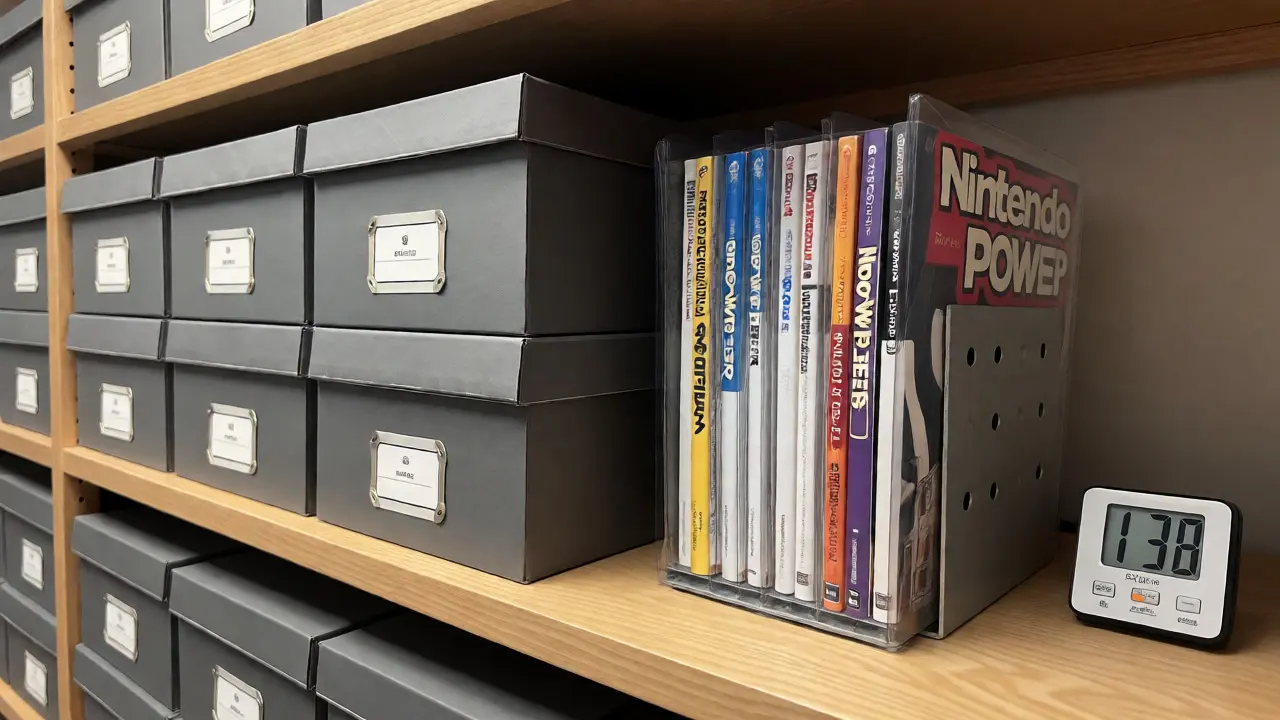
- Archival Boxes: For larger strategy guides, use gray board boxes rated for archival storage. These boxes buffer against pH changes and protect against dust and light. Make sure the box size fits snugly; too much empty space lets books shift and rub against each other.
- Mylar/Polyester Film: For extremely valuable or delicate items, Mylar is the gold standard. It’s clear, rigid enough to support the page, and completely inert. It’s more expensive than polypropylene, so save it for your grails.
A common mistake is using rubber bands or binder clips. Rubber bands degrade and leave residue that stains paper permanently. Metal clips can rust or dent covers. If you must keep a manual together with its game case, use a soft cotton ribbon or an archival-safe adhesive label on the outside of the sleeve, never directly on the paper.
| Material | Best For | Risk Factor | Cost Efficiency |
|---|---|---|---|
| Polypropylene Sleeves | Standard manuals, magazines | Low (if non-PVC) | High |
| Acid-Free Paper Wraps | Long-term archival, stacking | None | Medium |
| Mylar/Polyester | Rare, high-value items | Very Low | Low |
| Standard Plastic Bags | Short-term transport only | High (off-gassing) | Very High |
| Newspaper | Nothing | Extreme (acid transfer) | Free |
Handling and Organization Strategies
How you touch your manuals matters as much as where you put them. Oils from your fingers attract dirt and can stain glossy covers. Always wash and dry your hands before handling older paper items. If you have particularly sensitive ink, wear nitrile gloves. Cotton gloves can sometimes snag on rough paper edges, so nitrile is often safer for fragile booklets.
When organizing your shelf, avoid packing books too tightly. If you have to force a manual onto a crowded shelf, you risk cracking the spine. Store them upright if possible, supported by bookends. If a manual is very large or heavy, lay it flat to prevent warping. Never stack heavy objects on top of paper items unless they are in rigid archival boxes.
For digital archivists, consider scanning your manuals before storing them. A high-resolution scan preserves the content even if the physical copy deteriorates. Use a flatbed scanner rather than taking photos with a phone, as lighting inconsistencies can distort colors. Save files in lossless formats like TIFF or PNG for archiving, not JPEG, which discards data every time you save.
Dealing with Specific Damage
Not all manuals arrive in perfect condition. Maybe you bought a used Halo manual with a torn corner or a water stain. Here’s how to handle common issues without making things worse.
- Tears: Do not use Scotch tape. Regular tape yellows and leaves a gummy residue. Use archival document repair tape or wheat starch paste applied by a conservator for valuable items. For minor tears, a thin strip of Japanese tissue paper with reversible adhesive works well.
- Water Damage: If a manual gets wet, do not iron it or use a hair dryer on high heat. Blot excess water gently with a clean, absorbent cloth. Air dry it flat between sheets of blotting paper, changing the paper as it absorbs moisture. Weight it down lightly to keep pages flat while drying.
- Mold: If you see fuzzy spots, isolate the item immediately. Mold spreads. Brush off loose spores outdoors with a soft brush. For active mold, professional treatment might be needed. Don’t try to scrub it off aggressively, as this pushes spores deeper into the fibers.
Remember that some damage is part of the object’s history. A coffee ring from 1995 tells a story. Unless you are aiming for mint-condition resale value, don’t obsess over removing every blemish. Preservation is about stabilization, not necessarily restoration to a factory-new state.
Digital vs. Physical: The Hybrid Approach
We live in an era where almost every game has a PDF manual online. So why bother preserving the physical copy? Because context matters. The texture of the paper, the fold-out map you can spread across a table, and the specific typography create a tactile connection to the game that a screen cannot replicate. Plus, digital links rot. Servers go down, companies shut down, and file formats become obsolete. A physical manual in an acid-free sleeve is a guaranteed backup.
However, you don’t need to preserve every single pamphlet insert. Prioritize based on rarity and personal value. Keep the core instruction booklets and unique strategy guides in archival storage. Toss or recycle generic warranty cards and quick-start guides that offer little historical or gameplay insight. This keeps your storage manageable and focused on what truly matters.
Can I store my video game manuals in a vacuum-sealed bag?
Generally, no. Vacuum sealing removes air, which stops oxidation, but it also compresses the paper and can cause ink to transfer or stick if the plastic touches the surface. Additionally, if there is any residual moisture, trapping it under pressure can promote mold growth. Archival sleeves in a stable environment are safer.
What is the best temperature for storing old paper?
Aim for a consistent temperature between 65°F and 70°F (18°C-21°C). Stability is key; frequent fluctuations between hot and cold are more damaging than a consistently cool room. Avoid attics and garages where temperatures swing wildly.
Should I laminate my strategy guides?
Avoid lamination for anything of significant value. Lamination uses heat and pressure, which can damage paper fibers and make the item brittle over time. It also traps moisture and prevents future conservation work. Use protective sleeves instead.
How do I remove pencil marks from a manual?
Use a soft vinyl eraser, specifically designed for art or documents. Test on a hidden area first. Gently lift the eraser; do not rub hard, as this can smudge graphite or tear the paper. Never use wet wipes or solvents on pencil marks.
Is UV glass necessary for displaying manuals?
Yes, if you plan to display them. Standard glass filters out some UV rays, but museum-grade UV-filtering acrylic or glass blocks nearly 99%. Even with UV protection, limit direct sunlight exposure to less than a few hours a day to prevent fading.