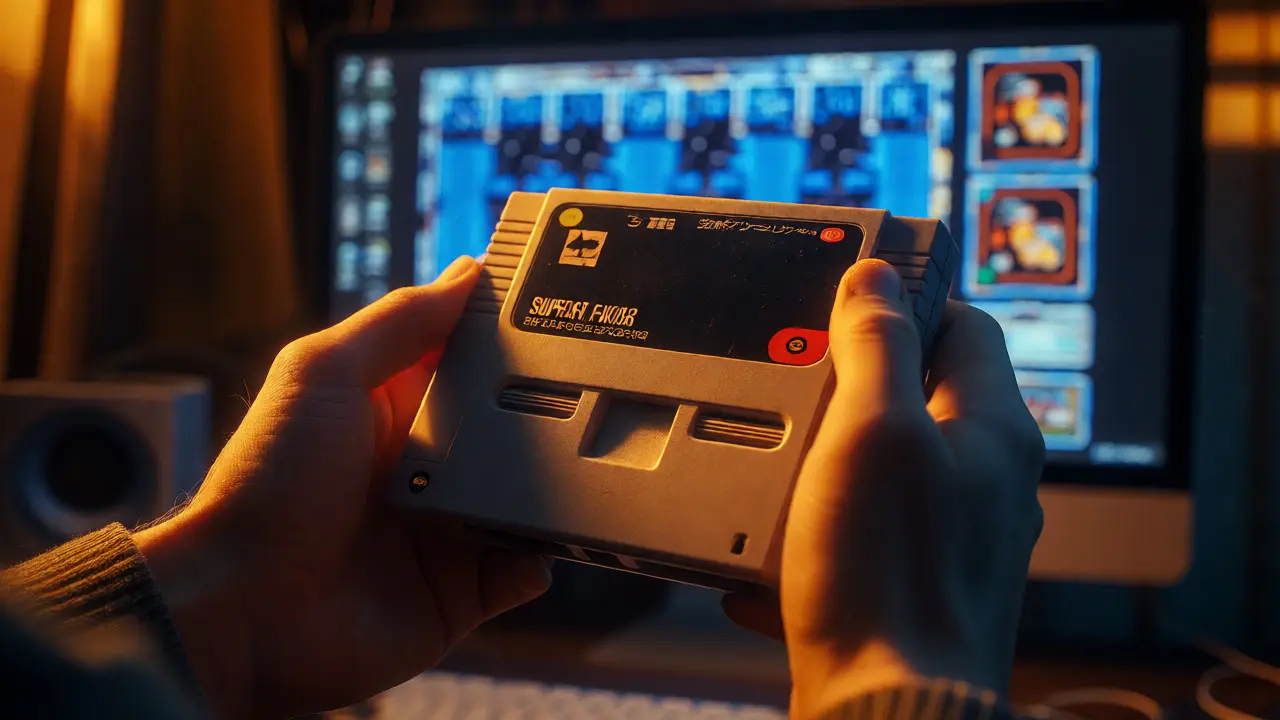
You pick up a dusty cartridge from the back of a shelf. It’s a Japanese RPG from 1998 that never left Japan. You plug it in, but the text is gibberish to you. Then, you find a file online-a fan translation. You patch it onto your original ROM, and suddenly, the story unfolds in English. This feels like magic, or maybe justice. But behind this convenience lies a complex web of legal gray areas and passionate preservation efforts.
The debate over whether these community-made modifications are acts of cultural rescue or copyright infringement has raged for decades. On one side, archivists argue that without fans, thousands of games would vanish into obscurity. On the other, rights holders worry about control and revenue. If you’ve ever downloaded a modified game file, you’ve participated in this tension. Let’s unpack what makes these projects so valuable, where they stand legally, and how the landscape is shifting as we move deeper into the digital age.
What Exactly Are Fan Translations and ROM Hacks?
Before we talk laws, let’s define the terms. A ROM hack is a modification of a video game's read-only memory (ROM) image, altering its code, graphics, or data to change gameplay or add content. Think of it as modding, but for retro consoles. A fan translation is a specific type of ROM hack that translates a game’s text from one language to another, usually into English, for regions where no official localization existed.
These aren’t just simple copy-paste jobs. Translators often have to reverse-engineer assembly code to fit longer English sentences into fixed-width text boxes. Hackers might rewrite level designs or fix bugs that the original developers missed. The work is technical, artistic, and deeply personal. Many of these projects take years to complete, driven by volunteers who want to share a hidden gem with the world.
The Case for Cultural Preservation
Why do people spend hundreds of hours translating a game that officially doesn’t exist in their language? Because game preservation is the practice of maintaining access to video games, hardware, and related media for future generations isn’t just about nostalgia; it’s about history.
Consider the EarthBound sequel, Mother 3. For eight years, it remained exclusive to Japan. Official Nintendo localized many titles, but not this one. Fans stepped in. Without their effort, a significant piece of late-90s RPG history would have remained inaccessible to most Western players. When Nintendo finally released an official version on the Wii U Virtual Console, it validated the demand the fans had proven.
This pattern repeats constantly. Games like Tactics Ogre: Let Us Cling Together (PS1) or various visual novels were ignored by localizers due to perceived low sales potential. Fan groups bridged that gap. They kept these titles alive in the public consciousness. In many cases, the existence of a popular fan translation actually influenced later official releases or remasters. The community acted as a market tester, proving there was an audience willing to engage with niche content.
Navigating the Legal Minefield
Here’s where things get tricky. Technically, almost every fan translation involves copying copyrighted material. You’re taking a proprietary ROM and modifying it. Under strict interpretations of copyright law, this can be infringement. Rights holders own the exclusive right to reproduce, distribute, and create derivative works based on their IP.
So why don’t more lawsuits happen? Several factors protect these projects:
- Abandonware Status: Many older games are considered "abandoned" commercially. Companies rarely enforce rights on titles generating zero revenue.
- No Commercial Gain: Most fan translators operate on donation bases or purely for passion. They don’t sell the games.
- Fair Use Ambiguity: While fair use is a defense, it’s fact-specific. Courts look at purpose, nature, amount used, and market effect. Non-commercial, transformative uses often lean toward protection, but it’s never guaranteed.
- Goodwill: Companies know that aggressive legal action against beloved community projects generates bad PR. Silence is often the best business strategy.
However, risks remain real. Nintendo, in particular, has a history of sending cease-and-desist letters. In 2016, they pressured sites hosting ROMs. More recently, takedowns of fan-made assets or specific high-profile hacks have occurred. If a fan project starts charging money or selling physical cartridges, the legal shield weakens significantly.
Comparison: Fan Effort vs. Official Localization
It’s helpful to see where fan efforts stack up against professional work. This isn’t about saying one is "better," but understanding the trade-offs.
| Feature | Fan Translation | Official Localization |
|---|---|---|
| Cost to Consumer | Free (requires original ROM) | Paid (retail or digital price) |
| Release Timeline | Years after original release | Months after original release |
| Translation Quality | Variable; often highly accurate but may lack polish | High consistency; localized idioms and cultural references |
| Legal Safety | Gray area; relies on non-enforcement | Full legal clearance |
| Content Completeness | May skip minor elements to save time | Complete package including manuals and extras |
| Availability | Online patches only | Retail stores, eShop, Steam, etc. |
The table highlights a key point: fan translations fill gaps. They serve audiences that official channels ignore. However, they lack the infrastructure of QA testing, marketing, and legal insurance that big publishers provide.
How Emulation Fits Into the Picture
You can’t run a ROM hack without a way to play it. That’s where emulation is software that mimics the hardware of a gaming console, allowing games to run on modern computers or devices. Emulators themselves are generally legal, provided they are written from scratch using clean-room design principles. The legality issue arises when you combine them with ROM files.
Dumping your own cartridge is widely accepted as fair use. Downloading a ROM from the internet is technically infringement unless you own the game and can prove it. Most users fall into the latter category. When you apply a fan translation patch to a downloaded ROM, you’re layering two potentially infringing actions: the download and the modification. Yet, the ecosystem thrives because enforcement is impractical. There are simply too many files and too few resources to police every download.

Best Practices for Enthusiasts
If you’re diving into this world, here’s how to stay safe and respectful:
- Support the Originals: Buy the physical copy if possible. Even if you play via emulation, owning the cart supports the legacy and ensures you have a legitimate source for dumping.
- Avoid Commercialization: Don’t buy patched carts from third-party sellers unless you trust their licensing agreements. Many are unlicensed reproductions.
- Credit the Creators: Fan teams rely on recognition. Link back to their pages if you share screenshots or videos.
- Check for Official Releases: Sometimes, a company will announce an official port. Stop downloading fan versions once the legit option arrives.
- Use Reputable Sources: Stick to well-known archives like Internet Archive or dedicated fan sites rather than shady ad-riddled download hubs.
Also, consider the impact on living developers. If a studio is still active and might release a remake, excessive piracy of the original can hurt their bottom line. Being mindful helps maintain the goodwill that allows these communities to survive.
The Future of Fan Modifications
We are seeing a shift. Some companies now embrace fan culture. Capcom has collaborated with modders. Sega has licensed fan projects. This trend suggests a future where intellectual property owners view fan labor as free marketing and community building rather than a threat.
However, as AI tools make translation easier, the barrier to entry drops. We might see more low-effort, machine-translated patches flooding the scene. Curating quality will become harder. Additionally, as cloud gaming grows, the ability to modify local files diminishes. If games stream from servers, you can’t patch them easily. This could spell the end for traditional ROM hacking unless platforms allow user-generated content injection.
For now, the balance holds. Fans preserve what corporations forget. Corporations tolerate fans because they drive interest. It’s an uneasy truce, but one that keeps classic games accessible to millions.
Is it illegal to download a ROM if I own the game?
Technically, yes, in most jurisdictions. Copyright law grants the owner exclusive distribution rights. While some argue "fair use" applies if you already own a copy, courts have rarely tested this specifically for ROM downloads. The safest legal route is dumping your own cartridge.
Can I sell my patched ROM hack?
Selling digital patches is risky but common. Selling physical cartridges with pre-applied hacks is much riskier. You are selling a product containing copyrighted code and assets. Rights holders can sue for damages if they choose, especially if you profit directly from their IP without a license.
Do fan translations affect official sales?
Data suggests mixed results. Often, fan translations build hype that leads to higher sales when an official version eventually launches. Conversely, if a fan translation is perfect and free, it might cannibalize sales of a mediocre official port. Context matters heavily.
What happens if a developer sends a cease-and-desist letter?
The project team must stop distributing the patch. They usually archive the files offline but remove public download links. Continuing to distribute after a C&D can lead to litigation. Most teams comply to avoid legal fees and maintain good standing with the publisher.
Are all ROM hacks illegal?
Not necessarily. If a hack uses only original assets and changes code slightly, it might fall under fair use. However, if it introduces new art, music, or extensive text, it becomes a derivative work requiring permission. The line is blurry and depends on the extent of the modification.