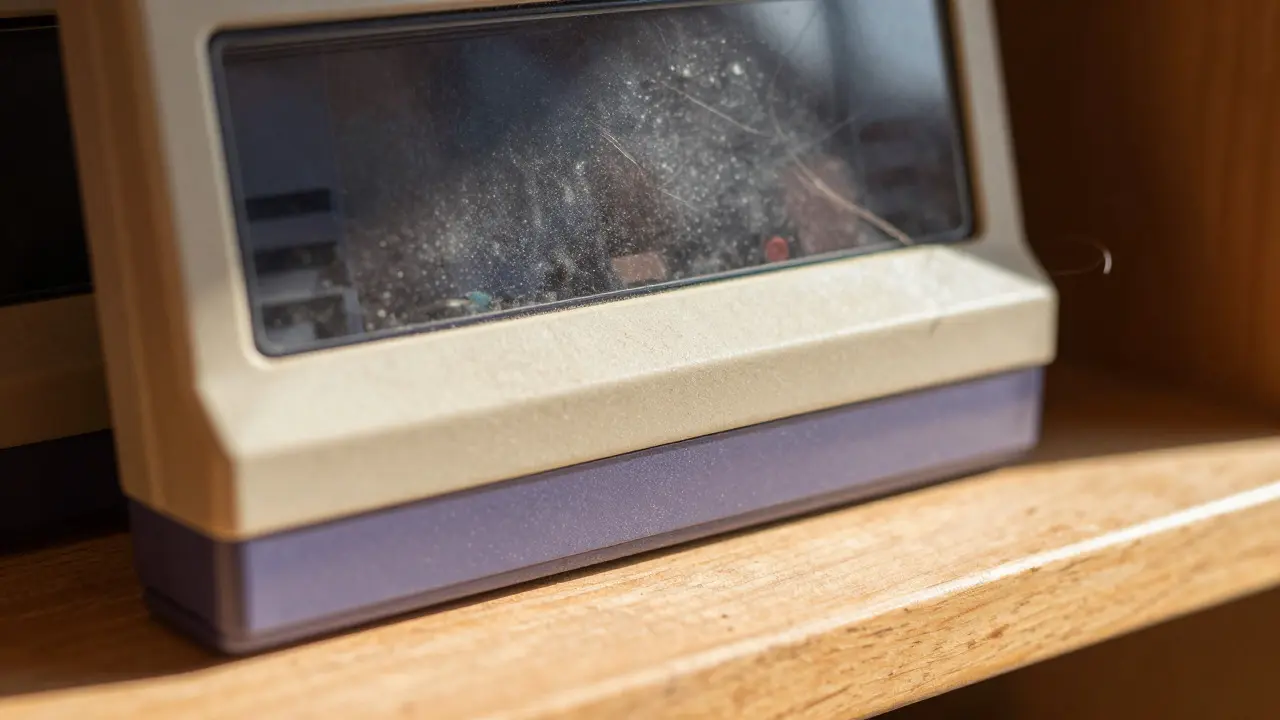
Think about the last time you pulled a favorite cartridge or disc from its shelf. Did it look crisp? Or did you notice a faint haze on the plastic, a scratch that wasn't there before, or a label that had started to peel? It might not be age. It could be the air in your room, the cat sleeping on the box, or the sunlight streaming through the window. These everyday elements are silent killers of video game preservation. They don't make a sound, but they slowly degrade the physical media and packaging that hold your memories and investments.
The Invisible Enemy: Dust and Static Electricity
Dust is more than just a visual annoyance; it is abrasive. When dust settles on a game case or console, it creates a fine layer of particles that can scratch surfaces when handled. But the real danger lies in static electricity. Plastic cases, especially those from the 8-bit and 16-bit eras, are notorious for building up static charge. This charge acts like a magnet, pulling in dust, lint, and pet hair with surprising force.
If you have ever tried to open a dusty SNES or N64 case, you know the struggle. The static makes the lid stick, forcing you to pry it open. That extra pressure can warp the plastic or crack the hinges over time. Inside, the disc or cartridge sits exposed to these particles. For optical media like CDs and DVDs, even microscopic scratches caused by rubbing off dust can lead to read errors. For cartridges, dust can settle into the connector pins, causing connection issues that require deep cleaning or permanent damage.
To combat this, regular maintenance is key. Use a soft, lint-free microfiber cloth to gently wipe down cases before storing them. Avoid compressed air cans if possible, as they often contain propellants that can leave oily residues or cause condensation inside the case. If you must use air, keep the can upright and use short bursts from a distance. A simple anti-static spray designed for electronics can also help reduce the charge buildup, making dust less likely to cling to your collection.
Pet Hair: The Fuzzy Trap
If you own pets, you know that hair is everywhere. But for video game collectors, pet hair is a specific hazard. Cats and dogs shed constantly, and their hair is fine enough to weave itself into the crevices of game cases, around cartridge edges, and onto controller buttons. Unlike human hair, pet hair often carries oils and dander, which can attract more dust and create a sticky residue over time.
The problem isn't just aesthetic. Pet hair can get trapped under the lids of cases, preventing them from closing properly. Over months, this constant strain weakens the plastic clips. In severe cases, hair can work its way into the internal mechanisms of older consoles if left unattended. Imagine trying to play a retro game only to find a ball of fur jammed in the cartridge slot. It’s a nightmare scenario that costs money to fix.
The solution requires a two-pronged approach. First, dedicate a specific area for your collection that is kept away from pet resting spots. If your gaming setup is in the living room where the dog sleeps, consider moving the display shelf to a different room or using enclosed glass cabinets. Second, incorporate pet hair removal into your cleaning routine. A rubber brush or a lint roller works wonders on smooth plastic surfaces. For deeper cleaning, a vacuum cleaner with a small nozzle attachment can suck out hair from hard-to-reach corners without scratching the surface. Just be gentle-plastic is softer than you think.
Sunlight: The Silent Fader
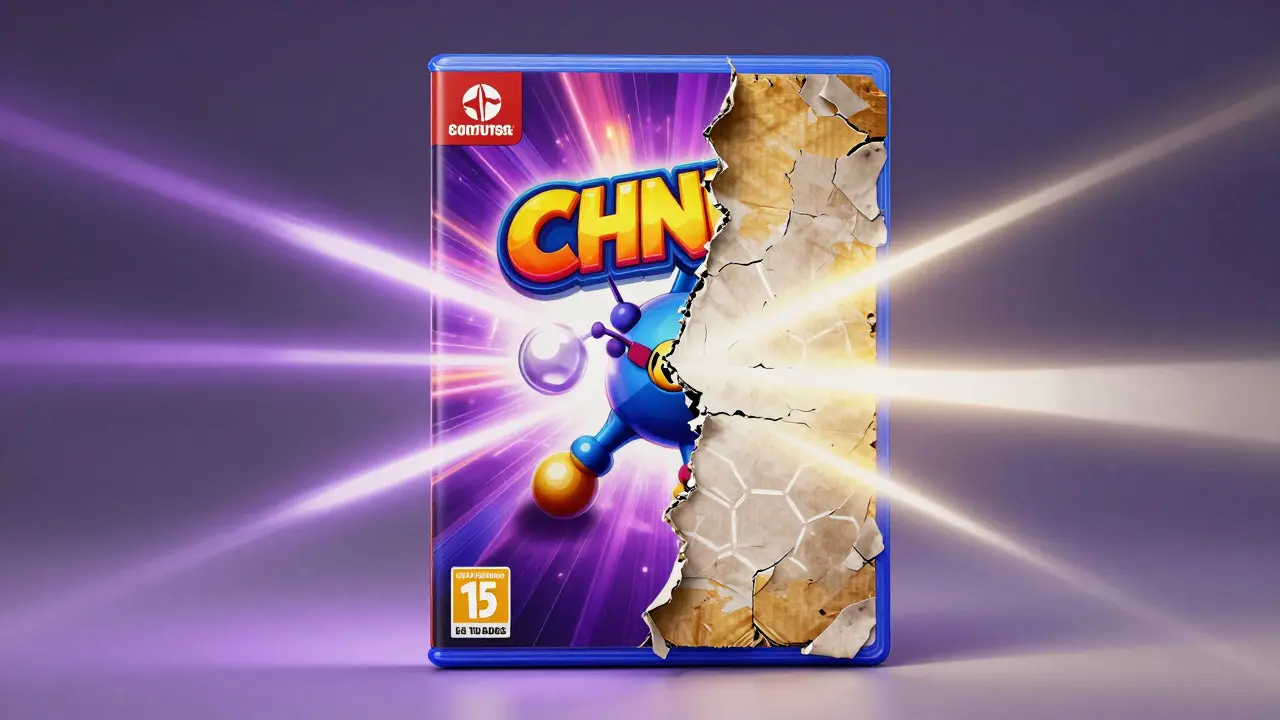
While dust and hair are mechanical threats, sunlight is a chemical one. Ultraviolet (UV) light breaks down the molecular bonds in plastics and paper. This process, known as photodegradation, causes colors to fade and materials to become brittle. For video games, this means vibrant cover art turning yellow or white, and clear plastic cases becoming cloudy or hazy.
The damage is cumulative. A game case sitting in direct sunlight for a few hours a day will show visible fading within a year. The labels, which are often made of adhesive-backed paper or vinyl, are particularly vulnerable. The adhesive can dry out and crack, causing the label to lift at the corners. Once a label starts peeling, it rarely goes back. You end up with a valuable collector's item that looks neglected, significantly reducing its resale value.
Protecting your collection from UV light is one of the most effective preservation steps you can take. The simplest method is to move your shelves away from windows. If natural light is unavoidable, install UV-filtering window film. This transparent film blocks up to 99% of UV rays while still letting in visible light. Alternatively, store your games in opaque boxes or drawers when they aren't on display. For those who want to showcase their collection, consider using LED lighting instead of incandescent bulbs. LEDs emit very little heat and almost no UV radiation, making them far safer for long-term display.
Humidity and Temperature: The Hidden Factors
You might not think of humidity as a daily risk, but it plays a huge role in how dust, hair, and sunlight affect your collection. High humidity encourages mold growth on paper manuals and cardboard boxes. Mold spores are tiny, dark stains that spread quickly and are nearly impossible to remove once set. Low humidity, on the other hand, can cause static electricity to spike, worsening the dust attraction problem discussed earlier.
Temperature fluctuations also cause expansion and contraction in plastic. A case left near a radiator or an air conditioning vent will expand and contract repeatedly. This stress can weaken the seams and cause cracks. Ideally, your storage environment should maintain a stable temperature between 65°F and 70°F (18°C to 21°C) and a relative humidity level between 30% and 50%. A simple hygrometer thermometer combo can help you monitor these levels. If you live in a humid climate, a dehumidifier in the storage room can make a significant difference in preserving the integrity of your media.

Practical Preservation Strategies
Putting all this together, here is a practical approach to protecting your video game collection from these everyday risks:
- Regular Cleaning Schedule: Wipe down displayed items weekly with a microfiber cloth. Do a deeper clean of stored items monthly. This prevents dust and hair from accumulating to damaging levels.
- Controlled Environment: Keep your collection away from direct sunlight, heating vents, and pet areas. Aim for a stable temperature and humidity range.
- Proper Storage Solutions: Use archival-quality sleeves for discs and cartridges if you want maximum protection. For cases, ensure they close securely. Consider replacing cracked or warped cases with high-quality reproductions or originals found in better condition.
- Handle with Care: Always hold cases by the sides, not the top or bottom, to avoid warping. For discs, handle by the edges or center hole, never the playing surface. For cartridges, support the weight evenly to prevent bending the shell.
- Documentation: Take photos of your collection in good condition. This helps track any changes over time and provides proof of condition for potential sales.
Common Mistakes to Avoid
Many collectors unknowingly accelerate the decay of their items. One common mistake is using household cleaners. Sprays like glass cleaner or all-purpose cleaners often contain ammonia or alcohol, which can strip labels and cloud plastic. Stick to water-dampened microfiber cloths for most tasks. Another error is stacking heavy items on top of lighter ones. The weight can crush the spine of the box or bend the case, leading to permanent deformation. Finally, ignoring the "first signs" of trouble is costly. A slight haze on a case or a loose label is a warning sign. Addressing it immediately saves time and money later.
Is it safe to store video games in plastic bins?
Yes, but choose the right type. Clear plastic bins allow light to pass through, so they are best used in dark closets. Opaque bins offer better protection from UV light. Ensure the bins are sealed tightly to keep out dust and moisture. Avoid using bins that have been used for chemicals or strong odors, as these can transfer to your games.
How often should I clean my video game collection?
For items on display, a quick wipe-down once a week is recommended. For items in storage, a thorough check and clean every month is sufficient. Increase the frequency if you have pets or live in a dusty area. Regular maintenance prevents the need for intensive restoration later.
What is the best way to protect game labels from peeling?
The best defense is prevention. Keep labels away from heat and direct sunlight. If a label is already starting to lift, use a small amount of archival-grade adhesive to secure it. Avoid using tape, as it leaves residue and can damage the underlying paper. Handling the case gently also reduces the stress on the label edges.
Do UV filters really work for preserving colors?
Yes, UV filters are highly effective. They block ultraviolet radiation, which is the primary cause of color fading in plastics and papers. Installing UV film on windows or using UV-protective glass for display cases can extend the life of your collection's appearance by decades. It is one of the most cost-effective preservation methods available.
Should I keep original boxes with my games?
Generally, yes. Original boxes add significant value and historical context to a game. However, if a box is damaged beyond repair, it may be worth considering a replacement or displaying the game without it. Store boxes flat to prevent bending. If space is tight, use sturdy containers to support their weight. Keeping the box in good condition is part of overall collection preservation.