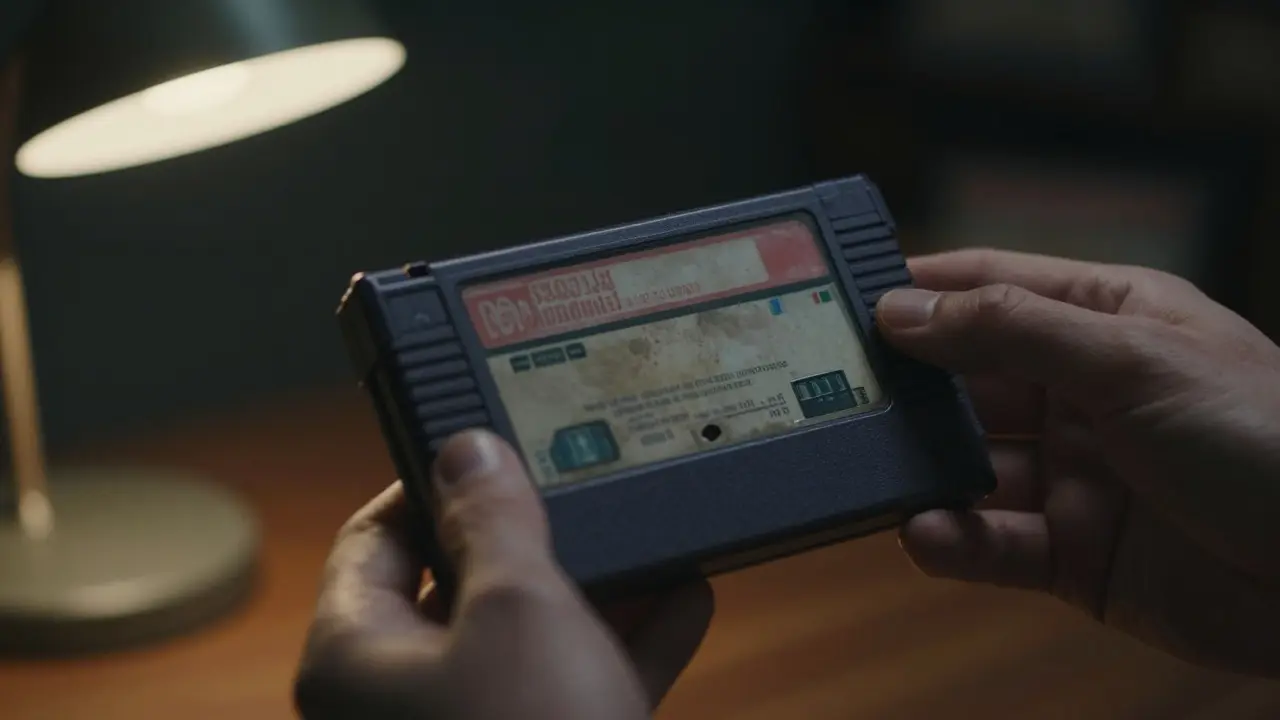
Ever watched a video about rare cartridges or vintage consoles where the host makes a bold claim that turns out to be wrong? It happens more often than you’d think. For creators in the video game collecting niche, the line between keeping viewers hooked and telling the truth can get blurry. You want your audience to laugh, gasp at a price tag, or feel nostalgic, but if they learn something incorrect, trust evaporates fast.
The good news is that these two goals don’t have to fight each other. In fact, when done right, accuracy makes the entertainment stickier. Viewers remember facts they can verify. They share videos because they feel smart for knowing something specific. The challenge isn’t choosing one over the other; it’s weaving them together so the story flows naturally without feeling like a lecture or a hype reel.
Why the Tension Exists
Let’s be honest: pure data is boring. A list of release dates, sales figures, and technical specs will lose most people by the third bullet point. That’s why storytelling exists. But pure hype has its own problems. If you tell someone a $50 game is worth $5,000 because "it’s rare," and they find out it’s actually common due to a misprint error, they’ll stop watching. They might even leave a comment correcting you publicly, which hurts your credibility more than a dry video ever could.
This tension is especially sharp in the retro gaming space. Unlike modern games with official wikis and real-time databases, older titles often rely on community knowledge, auction history, and personal experience. Sources conflict. Prices fluctuate wildly based on condition, region, and whether the box is sealed. This ambiguity gives creators room to interpret, but also room to err.
Building a Fact-Checking Workflow
You don’t need a PhD to be accurate, but you do need a system. Relying on memory or a single YouTube comment section is risky. Here’s a simple workflow that keeps things grounded:
- Primary Sources First: Always check the physical item itself. Look at the label, the barcode, the manual text, and the cartridge shell. These details don’t lie. If a game says "Limited Edition" on the box but doesn’t match known limited run characteristics, dig deeper.
- Cross-Reference Auction Data: Don’t just look at current listings. Check sold prices from the last six months on major marketplaces. Current asking prices are often inflated or outdated. Sold data tells you what people actually paid.
- Community Verification: Post your findings in specialized forums or Discord servers dedicated to that specific console or genre. Enthusiasts there have spent decades cataloging quirks. A quick question can save you from a major mistake.
- Document Your Process: Keep screenshots of your research. If a viewer challenges your claim later, having proof ready makes the correction easy and respectful.
This process takes time, yes. But it prevents the costly edit-and-reupload cycle that happens when a mistake goes viral. Plus, showing a bit of this research in the video itself can be part of the entertainment value. Audiences love seeing the detective work behind a discovery.
Turning Facts into Storylines
Once you have the facts, how do you make them interesting? The key is framing. Instead of saying, "This cartridge was released in 1994 with a print run of 50,000 units," try connecting it to a human element or a dramatic moment.
For example: "When this title launched in 1994, few expected it to become a collector’s item. With only 50,000 copies printed, it was overshadowed by blockbusters. But today, finding one in mint condition feels like striking gold." See the difference? The numbers are the same, but the second version paints a picture. It gives the object a history and a status.
Use narrative arcs. Start with the mystery (why is this item different?), move through the investigation (what did we find out?), and end with the resolution (what does this mean for collectors?). This structure keeps engagement high while ensuring every fact serves the plot.
| Element | Dry/Factual Approach | Narrative/Entertaining Approach |
|---|---|---|
| Price Mention | Sold for $450 last month. | Last month, a buyer paid $450-double the average for this era. |
| Rarity Claim | Only 10% remain in good condition. | Finding one this clean is rare; most have faded labels or cracked shells. |
| Historical Context | Released in 1985 by Company X. | In 1985, Company X took a gamble on this design that changed the industry. |

Handling Uncertainty Gracefully
Not everything is black and white. Sometimes, the community disagrees on a variant’s authenticity. Sometimes, a price spike is temporary. How do you handle this without confusing your audience?
Be transparent about confidence levels. Use phrases like "Current consensus suggests..." or "Based on recent sales, it appears..." This signals that you’re aware of the dynamic nature of the market. It also invites viewers to engage. They might comment with their own experiences, creating a dialogue rather than a monologue.
If you’re unsure, say so. "We haven’t seen many of these yet, so pricing is speculative." This honesty builds trust. It shows you’re not trying to sell a definitive answer when none exists. It positions you as a guide, not an oracle.
Visuals and Editing for Clarity
Your audio carries the story, but your visuals carry the proof. In collecting videos, close-ups are non-negotiable. Show the wear and tear. Zoom in on the label texture. Compare side-by-side images of authentic vs. counterfeit items. These visual cues reinforce your verbal claims.
Editing should support pacing, not distract. Avoid rapid-fire cuts that make it hard to absorb information. Use pauses to let important facts sink in. On-screen text can highlight key statistics or dates, but keep it minimal. If the text is too busy, it competes with your voiceover. The goal is to make the viewer feel like they’re holding the item alongside you.

Common Pitfalls to Avoid
Even experienced creators stumble. Here are a few traps to watch out for:
- The Confirmation Bias Trap: Only looking for sources that agree with your initial guess. Actively seek out counter-evidence.
- Over-Hyping Scarcity: Using words like "extremely rare" for items that are merely uncommon. Calibrate your language to actual supply data.
- Ignoring Regional Differences: A Japanese import might be rare in the US but common in Tokyo. Always specify the region when discussing value.
- Skipping Condition Checks: A "complete in box" game with a yellowed manual is worth less than one with a crisp insert. Be specific about grading criteria.
Avoiding these mistakes doesn’t require perfection. It requires diligence. And diligence, surprisingly, is a form of respect for your audience. They gave you their time. Give them accurate information wrapped in a compelling package.
Building Long-Term Credibility
Consistency is king. If you correct a mistake in a previous video, acknowledge it clearly. Make a short update or pin a comment explaining the fix. This shows integrity. It tells new viewers that you care about getting it right, even after the fact.
Over time, this reputation compounds. People start trusting your eye. They follow your recommendations. They buy from sellers you’ve vetted. That’s the ultimate win. You’re not just entertaining; you’re becoming a trusted resource in the community. And in a niche as passionate as game collecting, trust is the most valuable currency you can earn.
Frequently Asked Questions
How much time should I spend fact-checking each video?
It depends on the complexity of the topic, but aim for at least 30 minutes of verification per major claim. For standard reviews, cross-referencing auction data and checking physical labels usually takes 15-20 minutes. For deep dives on rare variants, budget several hours to consult multiple expert sources.
What if my source contradicts another popular source?
Present both viewpoints. Explain why you lean toward one (e.g., primary physical evidence vs. secondary opinion). Transparency about conflicting data is better than pretending there is a single truth. Invite viewers to share their perspectives in the comments.
Do I need to cite sources on screen?
Not always, but it helps credibility. For highly debated topics, a small text overlay mentioning the source (e.g., "Data from eBay sold listings") adds weight. For general knowledge, your expertise is the source. Just ensure your claims are verifiable if challenged.
How do I balance speed of production with accuracy?
Batch your research. When you acquire new items, do all the fact-checking in one session before writing scripts. This separates the investigative phase from the creative phase, preventing rushed decisions during editing. Also, maintain a personal database of verified facts to avoid re-doing work.
Is it okay to use subjective terms like "beautiful" or "ugly"?
Yes, aesthetics are subjective and part of the entertainment value. Just distinguish between objective facts (condition, rarity) and subjective opinions (design appeal). Labeling something "subjectively stunning" clarifies that it’s your take, not a universal standard.