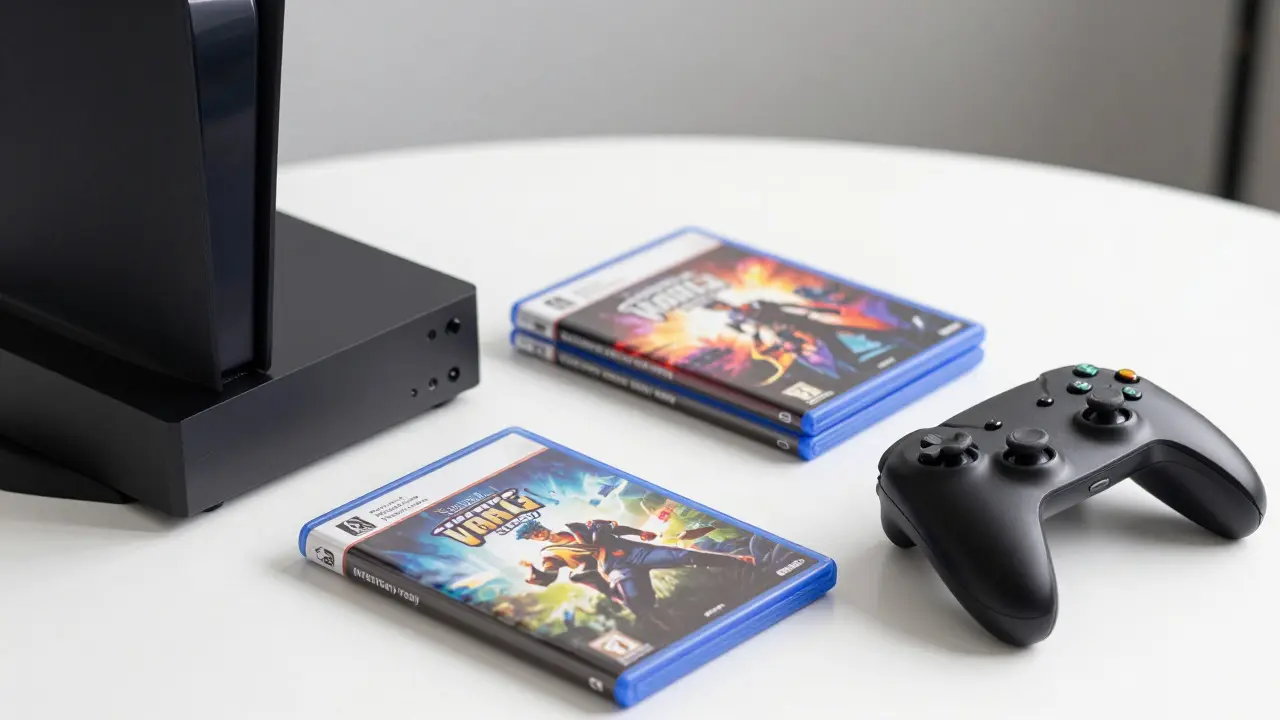
You’re sitting on a shelf full of old consoles, dusty controllers, and games you haven’t touched in years. You want cash or store credit, but the local shop offered you pennies on the dollar. The difference between getting $20 and $150 for that PlayStation 4 setup usually comes down to one thing: how you present it. Retailers don’t just look at what you have; they look at what is *sellable* as a single unit. A loose game is a hassle. A complete set with box, manual, and controller is inventory ready to hit the floor. That distinction is where your money lies.
Most people think trade-in value is fixed by the market price of the item. It isn’t. It’s determined by the retailer’s ability to resell it without extra work. If they have to clean it, test it, find a missing part, or wait for a customer who wants exactly that specific version, their profit margin drops. Your job is to remove that friction. By bundling items strategically, you turn a collection of individual parts into a high-margin product for them, which means a higher payout for you.
Why Bundles Beat Individual Items
Retailers operate on thin margins. When you walk in with five separate items, they have to evaluate each one individually. They check the condition of the disc, test the controller buttons, verify the serial number, and decide if it’s worth the time to list it. If any single item has a flaw, its value plummets. But when you bundle a console with two games and a controller, you create a "starter pack." These packs are easier to sell because they solve a problem for the next buyer: they get everything they need in one transaction. Because the bundle is more attractive to consumers, retailers are willing to pay more upfront to secure it.
Consider the psychology of the resale market. A used Nintendo Switch OLED model sells well on its own. But a Nintendo Switch OLED model bundled with Zelda: Tears of the Kingdom and a pair of Joy-Cons? That’s a gift-ready package. Retailers know this. They often have internal guidelines that offer a premium for "complete sets" versus "loose units." The premium can range from 10% to 30%, depending on the platform and the demand for that specific title.
The Golden Rule: Completeness is King
If there is one rule to follow, it’s this: never leave a component behind if it adds value. This applies to consoles, handhelds, and even some high-end PC components. When preparing a bundle, audit every item against a simple checklist:
- Original Box: Does it exist? Is it intact? Even a dented box increases perceived value significantly compared to a "loose" item.
- Manuals and Inserts: Collectors and serious gamers care about these. For mainstream titles, they add minor value, but for limited editions, they are essential.
- Cables and Adapters: Missing HDMI cables or power bricks are the #1 reason for price cuts. Include every cable that came with the device.
- Warranty Cards/Receipts: If you still have proof of purchase within the warranty period, include it. It signals reliability to the retailer.
For video games specifically, the case matters. A scratched plastic case with a faded label looks like a low-quality item. A clean case with a sharp label looks professional. Wipe down the discs with a microfiber cloth, moving from the center outward. Do not use window cleaner or alcohol, which can damage the data layer. A pristine disc signals that the game will work first time, saving the retailer the risk of returning it to stock.
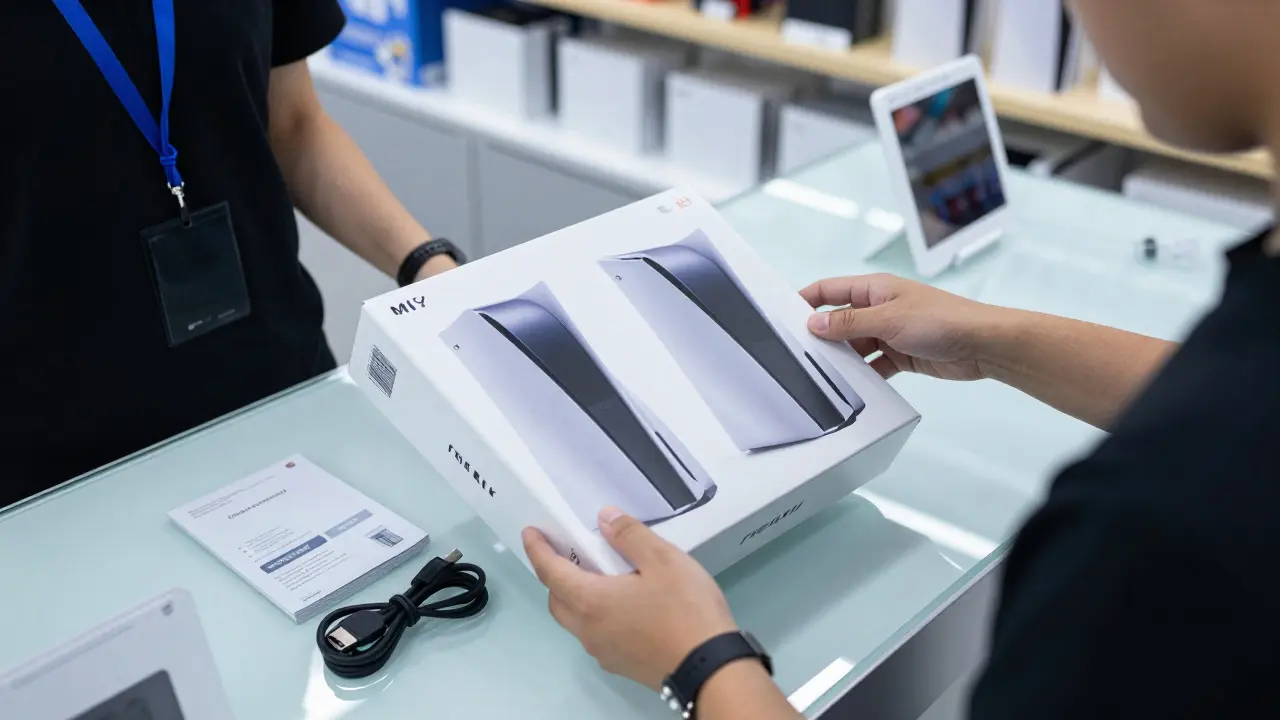
Strategic Pairing: What Goes With What
Not all bundles are created equal. Some combinations are natural sellers, while others are awkward. You want to pair items that complement each other in the eyes of the average consumer. Here is how to think about pairing:
- Console + Launch Title: This is the strongest bundle. If you have an Xbox Series X, pair it with Halo Infinite. If you have a PS5, pair it with Spider-Man 2. These games define the hardware. The retailer knows that buyers of new consoles almost always want a flagship title immediately.
- Handheld + Popular Game: For devices like the Steam Deck or ROG Ally, pair them with a popular indie hit or a major AAA title that runs well on the device. Avoid niche titles unless you are targeting a specific collector group.
- Controller + Console (Same Brand): If you have an extra DualSense controller, do not sell it separately if you are trading in a PS5. Add it to the bundle. Two controllers make the console instantly usable for multiplayer, which is a huge selling point for families.
Avoid mixing platforms in a single bundle unless it makes sense. Don’t bundle a Wii U game with a Switch console. Keep the ecosystem consistent. The only exception is if you are selling a "retro starter kit" that includes multiple generations, but that requires a much more detailed description and is harder to price accurately at a counter.
Condition Grading: How to Maximize Perceived Value
Retailers use grading scales, often similar to those used by collectors: Mint, Near Mint, Very Good, Good, Fair, Poor. You don’t need to be a professional grader, but you should aim for "Near Mint" or "Very Good" for your main items. Here is how to achieve that quickly:
| Grade | Description | Action Required |
|---|---|---|
| Mint | Like new, no visible wear, original packaging sealed or perfect. | Keep in box, wipe dust off. |
| Near Mint | Light wear on edges, no scratches on screen/disc, complete set. | Clean thoroughly, check for scuffs. |
| Very Good | Visible wear, minor scratches, missing manuals but functional. | Note defects honestly to avoid disputes. |
| Good | Heavy wear, significant scratches, missing parts but works. | Expect lower offer; consider selling online instead. |
One pro tip: photograph your bundle before you bring it in. Take clear shots of the front, back, sides, and any flaws. If the retailer tries to downgrade your item from "Near Mint" to "Good" because of a tiny scratch you didn’t notice, you can show them the photo. It keeps the negotiation fair and transparent. Also, ensure all buttons click correctly. Test the D-pad, analog sticks, and triggers. Sticking buttons are a deal-breaker for many retailers because they require repair labor.
Negotiation Tactics at the Counter
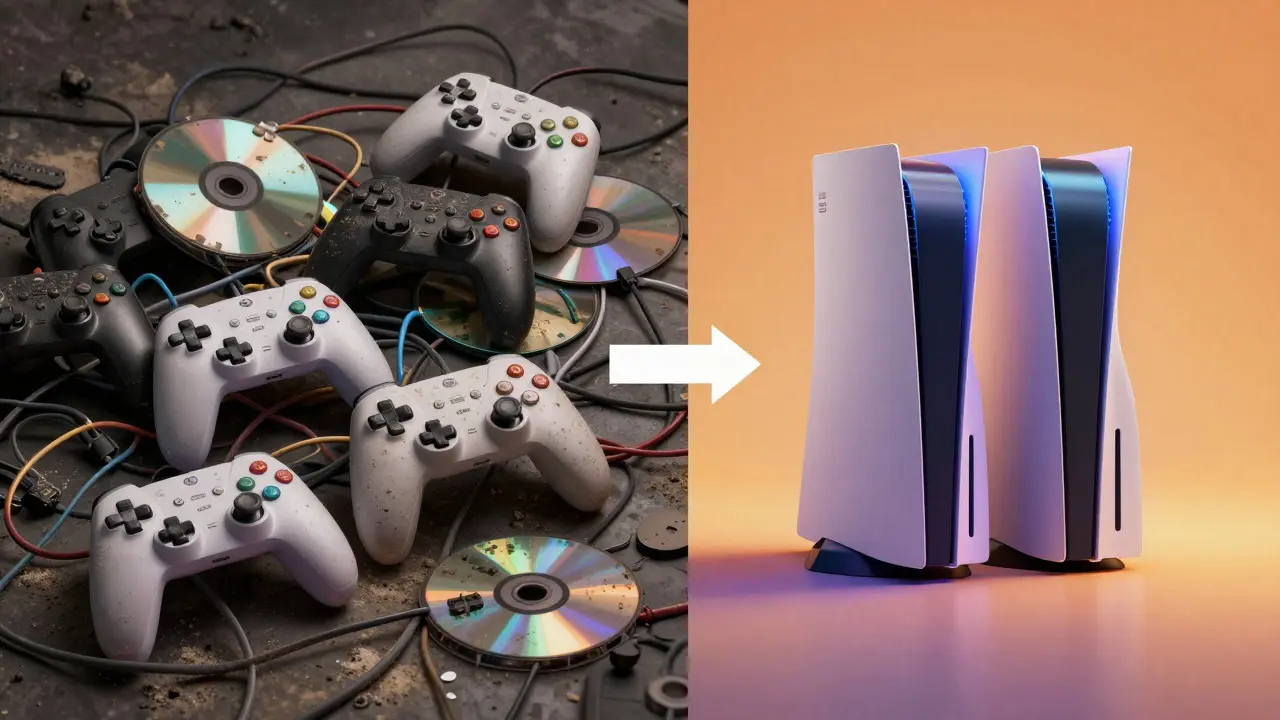
When you arrive at the store, don’t just hand over the bag. Present the bundle neatly. Lay out the items so the clerk can see everything at once. Say, "This is a complete set, ready to sell." This frames the interaction around value, not just liquidation. Ask for the "bundle rate" rather than the sum of individual rates. Often, the system has a preset discount for individual items but a higher tier for complete kits.
If the offer feels low, ask why. Is it because of a specific defect? If so, fix it if possible (e.g., cleaning a dirty lens). If it’s because of low demand, ask if they would accept a different game in the bundle. Sometimes swapping a niche RPG for a sports title like EA Sports FC 26 can increase the bundle’s appeal, especially during peak season. Remember, you are providing them with inventory. You are doing the curation work for them. Use that leverage politely.
When to Sell Online Instead
Trade-ins are convenient, but they aren’t always profitable. If your bundle contains rare items, limited edition colors, or collectible figures, the online market (like eBay or Facebook Marketplace) will likely pay 30-50% more. However, online sales require shipping, packaging, and dealing with buyers. For common, high-volume items like standard black PS5s or generic Xbox controllers, trade-in is often the best balance of effort and return. Use this rule of thumb: if the total trade-in offer is under $50, spend the time to sell online. If it’s over $100, take the quick cash from the retailer.
Should I include the original receipt when trading in?
Yes, if available. While not always required, a receipt proves the item was purchased legally and may still be under warranty. This reduces the retailer's risk, which can lead to a slightly higher offer. It also helps if there is a dispute about the item's age or origin.
Does the brand of the controller matter in a bundle?
Yes. Stick to official first-party controllers whenever possible. Third-party controllers are seen as lower quality and may not have the same longevity. If you must include a third-party controller, note it clearly. First-party controllers increase the bundle's credibility and resale value.
Can I bundle digital games with physical consoles?
Generally, no. Digital games are tied to an account and cannot be transferred easily. Unless you are selling the entire console with the user profile locked to that specific digital library (which is rare and complex), stick to physical media for bundles. Physical discs are tangible assets that the retailer can inspect and resell.
What if my console has a dead battery in the remote?
Replace the batteries before bringing it in. A dead battery makes it look like the remote is broken. A fresh battery ensures the clerk can test it immediately. It’s a small cost ($2) that prevents a potential $10-20 deduction for "untested functionality."
Is it better to trade in one large bundle or several small ones?
It depends on the retailer's policy. Some stores cap the number of items per transaction. If you have a lot of gear, try creating 2-3 distinct, logical bundles (e.g., one PS5 bundle, one Switch bundle) rather than one massive pile. This makes it easier for the clerk to process and value each unit accurately.