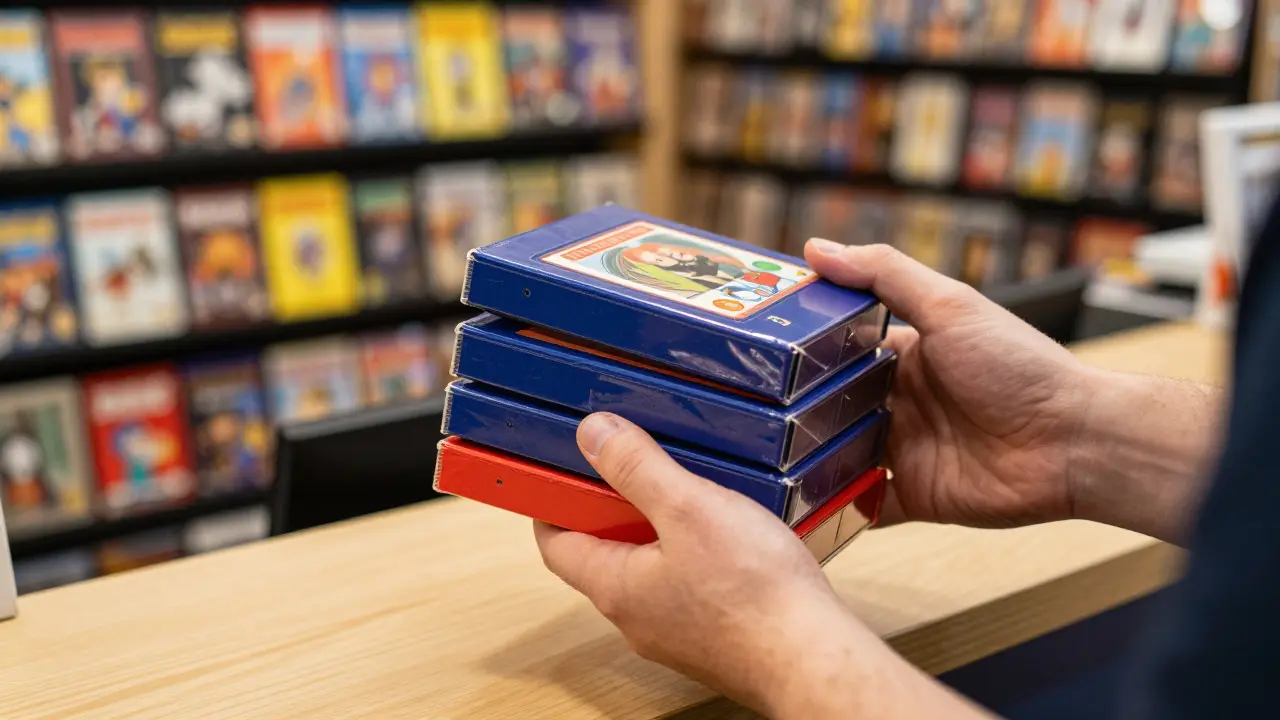
Imagine walking into a local shop, handing over fifty vintage cartridges, and being told you'll get 40% of the sale price. That’s not a deal; that’s a tax on your nostalgia. Many collectors make this mistake because they assume video game consignment is a one-size-fits-all process. It isn’t. The difference between pocketing $500 and $1,200 for the same box set often comes down to how well you understand the auction market dynamics and how aggressively you negotiate before signing anything.
Key Takeaways
- Auction house fees typically range from 10% to 30%, but fixed-price retail stores often take 40-50%.
- Always separate "sealed" items from "loose" items; sealed units command premium pricing and different fee structures.
- Research comparable sales (comps) on eBay or specialized forums before agreeing to any valuation.
- Negotiate the reserve price and minimum bid to protect against low-balling in public auctions.
- Clarify payment timing: Net-30 is standard, but Net-60 or Net-90 significantly impacts cash flow for large collections.
Understanding the Two Paths: Auction vs. Retail
Before you pack up your shelves, you need to decide where your games are going. There are two main channels for offloading a collection: direct-to-consumer auctions and brick-and-mortar retail consignment. Each has distinct advantages depending on what you’re selling.
An auction house works on a percentage basis. They list your items online, handle the bidding, and send you a check after the buyer pays. This model is ideal for high-value, rare items like unopened Nintendo 64 boxes or limited-edition PlayStation 2 titles. Why? Because auction prices can skyrocket based on collector hype, and you capture more of that upside. However, if an item doesn’t sell, it usually reverts to you with no penalty, though some houses charge a small admin fee.
Retail consignment, on the other hand, involves placing your games in a physical store. The shop sets a fixed price. If it sells, they keep their cut; if it doesn’t, you might have to buy it back at cost or let them discount it further. This path is better for common, mass-market titles that move quickly in-store, such as popular Xbox One or Switch releases. But be warned: retail margins are thinner, so expect a higher commission rate-often 40% or more-to cover shelf space and staff time.
Prepping Your Collection for Maximum Value
Value isn't just about rarity; it's about presentation. Collectors pay premiums for completeness. Before you bring your stack to the dealer, audit every single item.
- Check for manuals and inserts: A game without its manual can lose 20-30% of its value. If you have the original instruction booklet, keep it together with the cartridge or disc.
- Assess case condition: Cracked spines, water damage, or faded labels reduce appeal. Note these defects honestly but don't over-discount yourself unless the damage is severe.
- Separate by platform and era: Grouping your items makes the appraisal process faster and shows the dealer you know what you have. This professionalism often leads to better initial offers.
- Identify "Grail" pieces: Pull out any first-print runs, region-exclusive titles, or signed copies. These should be negotiated individually rather than lumped into a bulk deal.
Cleaning is non-negotiable. Use a soft microfiber cloth for discs and cases. Avoid chemical cleaners on plastic cases as they can cause cloudiness. A pristine-looking game signals quality to both the dealer and the eventual buyer.

The Art of Negotiating Seller Terms
This is where most people leave money on the table. Dealers rely on your ignorance of standard rates. Here is how to flip the script.
1. Research Comparable Sales (Comps) Don't ask "What do you think this is worth?" Instead, say, "This specific title sold for $150 last month on eBay, and here are three other examples." When you arrive with data, the dealer knows you aren't guessing. This shifts the power dynamic immediately. If they offer 50% ($75), you can argue for 60% ($90) based on the verified market rate.
2. Negotiate the Commission Tier Many shops offer tiered commissions. For example:
- Items under $50: 40% commission
- Items $50-$200: 30% commission
- Items over $200: 20% commission
3. Define the "Sold" Definition Does "sold" mean when the item leaves the store, or when the customer pays? In auctions, there’s a gap between winning bid and payment. Clarify if you get paid upon shipment or upon confirmed payment. Also, ask about return policies. If a buyer returns an item within 30 days, who bears the shipping cost? Ensure the contract states that returns are deducted from your final payout only after the return window closes.
4. Payment Timing (Net Days) Standard practice is Net-30 (payment within 30 days of sale). Some smaller shops operate on Net-60 or even Net-90. If you need cash flow, negotiate for Net-15 or weekly payouts. In exchange for faster payment, you might accept a slightly higher commission, but calculate if the interest saved on your own capital outweighs the fee increase.
Comparing Fee Structures: Auction vs. Retail
To help you visualize the financial impact, here is a breakdown of typical fee structures in the current market. Note that these are averages; always verify with your specific provider.
| Feature | Online Auction House | Local Retail Store |
|---|---|---|
| Typical Commission | 10% - 25% | 35% - 50% |
| Pricing Control | Market-driven (Bidding) | Fixed Price (Dealer Set) |
| Sale Speed | Variable (Days to Weeks) | Faster for Common Titles |
| Payment Terms | Net-14 to Net-30 | Net-30 to Net-60 |
| Best For | Rare, Sealed, High-Value Items | Common, Mass-Market Titles |
| Unsold Item Policy | Returned to Seller | Discounted or Returned |

Reading the Fine Print: Contract Pitfalls
Never sign a consignment agreement without reading the entire document. Look for these red flags:
- Automatic Discount Clauses: Some contracts state that unsold items will automatically drop in price by 10% every 30 days until they sell. This means you might end up selling a $100 game for $60 without your explicit approval. Negotiate for a cap on discounts or require written consent for price changes.
- Liability for Loss/Damage: Who is responsible if a fire destroys the store inventory? Standard clauses often limit liability to the replacement value, not the collectible value. Ask if the shop carries insurance that covers collectibles specifically.
- Termination Rights: Can you pull your items back at any time? Most agreements allow you to reclaim unsold stock with 7-14 days' notice. Ensure this clause exists so you aren't locked into a bad relationship.
Strategic Tips for Different Collection Types
Your strategy should shift based on what you’re holding.
For Retro Cartridges (NES, SNES, N64): Focus on completeness. If you have loose carts, consider buying cheap manuals to complete the sets if the added value exceeds the cost. Sell sealed units via auction only. Loose units can go to retail for quick turnover.
For Modern Consoles (PS4, PS5, Xbox Series X): These depreciate fast. Don’t hold out for high prices. Use retail consignment for quick cash flow. Focus on limited editions or exclusive bundles that retain value better than standard titles.
For Handhelds (Game Boy, DS, Switch Lite): Battery health matters. Test them before consigning. A dead battery can halve the value. Include charging cables if possible; buyers love "ready to play" packages.
Finalizing the Deal
Once you’ve negotiated the terms, get everything in writing. A simple email summary confirming the commission rate, payment schedule, and termination policy serves as a legal backup if the verbal agreement gets fuzzy later. Keep copies of all receipts and itemized lists provided by the shop. This documentation is crucial if you ever need to dispute a missing item or a miscalculated payout.
Consignment isn't just about getting rid of old games; it's about monetizing a hobby efficiently. By understanding the mechanics of auction versus retail, preparing your items meticulously, and negotiating with data in hand, you transform a passive storage situation into an active income stream. The next time a dealer tries to lowball you, you’ll have the leverage to demand fair terms.
What is a good commission rate for video game consignment?
A fair commission rate depends on the channel. Online auction houses typically charge 10-25%, while local retail stores charge 35-50%. For high-value items, aim for the lower end of these ranges. If a dealer offers less than 50% payout on a retail consignment, it is generally considered below market standard for common titles.
Should I sell my video games through auction or a local store?
Use auctions for rare, sealed, or high-value items where market demand can drive prices up. Use local retail stores for common, mass-market titles that need quick turnover. A hybrid approach is often best: send grails to auction and everyday games to retail for steady cash flow.
How long does it take to get paid from a consignment shop?
Standard payment terms are Net-30, meaning you receive payment 30 days after the item sells. Some shops operate on Net-60 or Net-90. You can negotiate for faster payment, such as Net-15 or weekly payouts, though this may come with a slightly higher commission fee.
What happens if my consigned games don't sell?
Policies vary by contract. In auctions, unsold items are usually returned to you after the auction ends. In retail, items may be automatically discounted over time or returned to you after a set period (e.g., 90 days). Always clarify the "unsold item policy" before signing.
Do I need to clean my games before consigning them?
Yes. Cleanliness directly impacts perceived value. Dust, fingerprints, and dirt can lower an item's grade. Use a microfiber cloth for discs and cases. Avoid harsh chemicals. Presenting clean, organized items also signals professionalism to the dealer, which can lead to better negotiation outcomes.