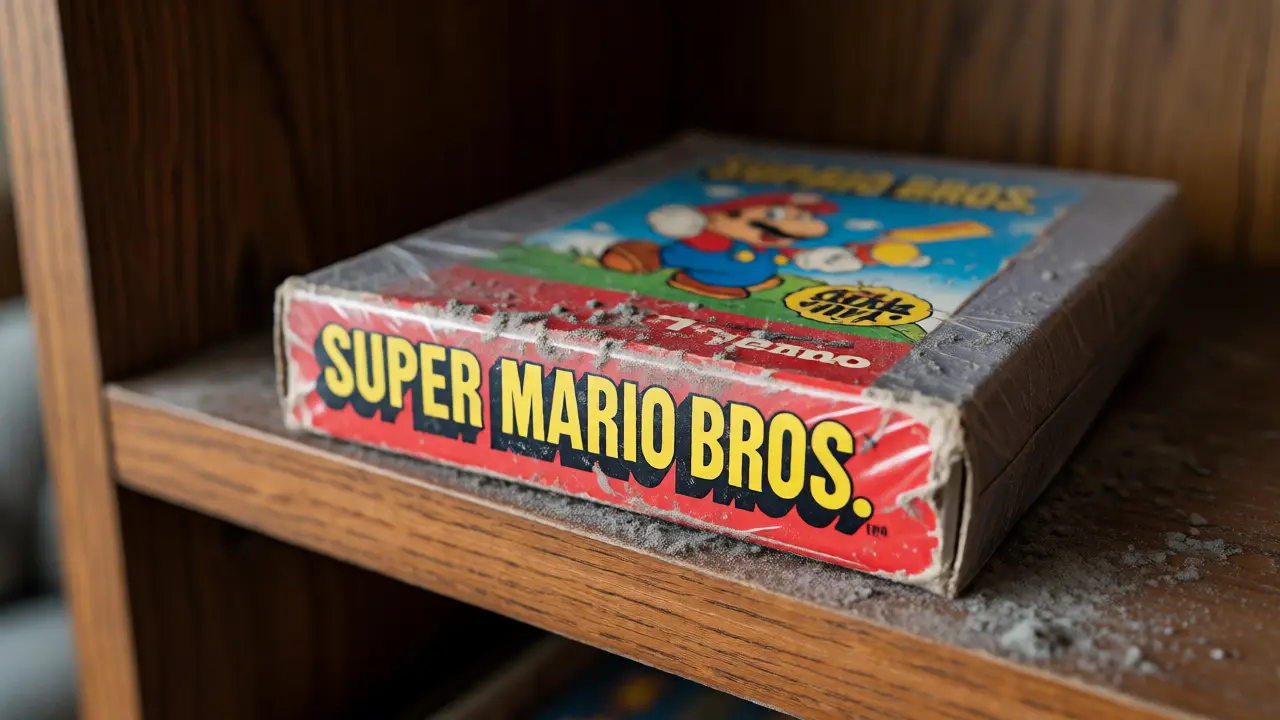
You just spent three years hunting down that sealed copy of Super Mario Bros. and finally got it in your hands. You place it on your shelf, feeling proud. Then, six months later, you look closer. A fine gray film coats the plastic wrap. The cardboard spine is looking dull. It’s not just ugly; it’s degrading your asset. Dust isn’t just dirt-it’s acidic particulate matter that slowly eats away at paper, plastic, and vinyl over time. If you’re serious about preserving your games, consoles, or figures, an open shelf simply doesn’t cut it anymore.
Building a dust-resistant video game display cabinet is a closed enclosure designed to limit airborne particle accumulation around collectible media doesn’t require a woodworking degree or a massive budget. In fact, some of the best solutions are things you can assemble in an afternoon using materials from your local hardware store. The goal here is simple: create a physical barrier between your collection and the air while maintaining easy access for viewing. Whether you have five retro cartridges or five hundred modern discs, the principles of airflow management and sealing remain the same.
Why Your Open Shelves Are Failing Your Collection
Think about where your current setup sits. Is it near a window? Under a vent? Next to a door? These are high-traffic zones for dust. Air conditioning systems push microscopic fibers into every room. If your shelves are open, those particles land directly on your items. For Nintendo Switch cases or PlayStation 5 boxes, this means constant wiping, which risks scratching glossy surfaces. For loose cartridges or vintage manuals, it means potential staining.
The real enemy isn’t just visible dust. It’s humidity fluctuations and UV light, which often accompany poorly enclosed displays. A proper cabinet acts as a buffer zone. By controlling the micro-environment inside the case, you slow down oxidation and prevent the "yellowing" effect common in older plastics. But before you buy anything, you need to decide what kind of protection level you actually need. Not every collector needs a museum-grade vacuum-sealed vault. Most just need a solid seal that keeps the grime out while letting the colors pop.
Choosing the Right Material for Your Enclosure
When building or buying a case, material choice dictates both cost and clarity. You generally have three main options: glass, acrylic (plexiglass), and polycarbonate. Each has distinct properties that affect how well they resist dust and how easy they are to maintain.
| Material | Dust Resistance | Scratch Risk | Clarity | Best For |
|---|---|---|---|---|
| Glass | High (if sealed) | Low | Excellent | Heavy items, static displays |
| Acrylic | Very High | Medium-High | Very Good | Lightweight cases, DIY builds |
| Polycarbonate | Very High | Medium | Good | Impact resistance, travel cases |
Glass is heavy but doesn’t scratch easily. However, standard glass panes rarely fit perfectly against wood frames without gaps. Those gaps are dust highways. Acrylic is lighter and easier to cut, making it perfect for custom fits. The downside? It scratches if you clean it wrong. Never use Windex or paper towels on acrylic. Use a microfiber cloth and a dedicated plastic cleaner, or you’ll end up with a cloudy case that looks worse than dusty shelves.
The Seal Matters More Than the Frame
You can have the most beautiful oak frame in the world, but if the doors don’t close tightly, it’s useless. This is where most DIY projects fail. People focus on aesthetics and forget the gasket. To truly make a cabinet dust-resistant, you need a continuous seal around the opening.
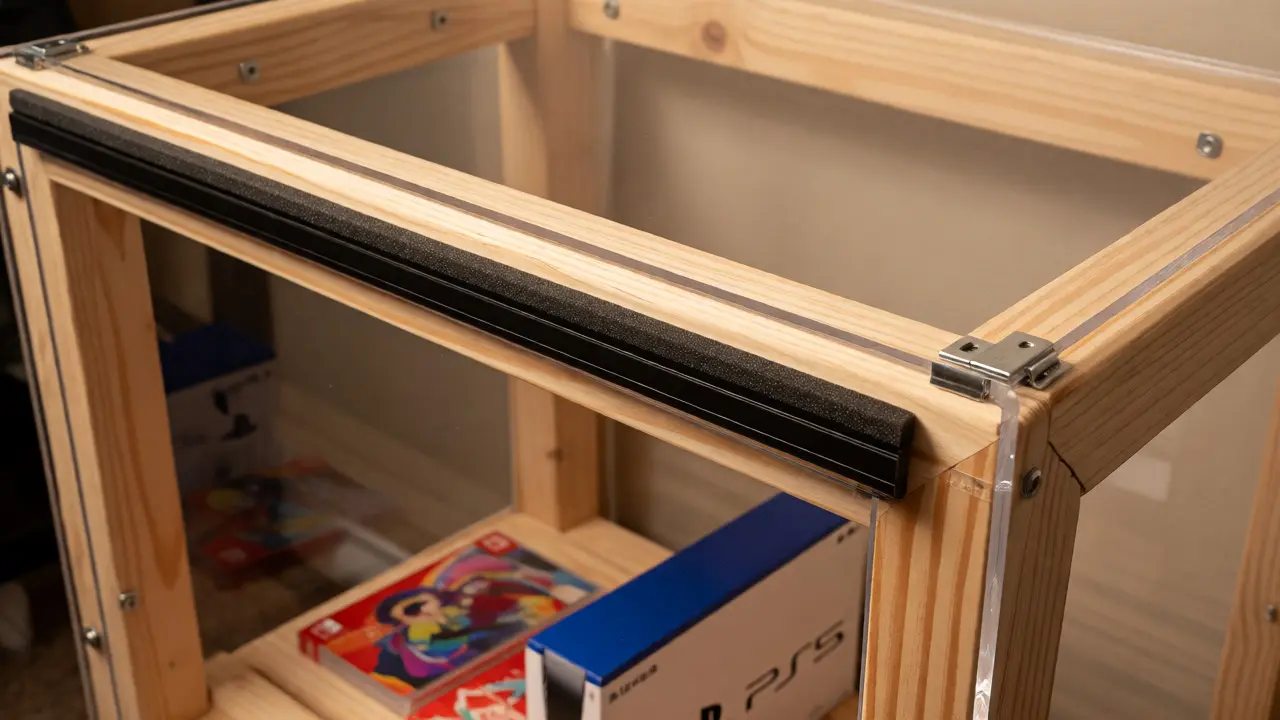
Start by inspecting any existing cabinet. Run a piece of tissue paper along the edge of the door while it’s closed. If it slides through easily, air-and dust-is getting in. For new builds, use foam tape or silicone gaskets. Foam tape is cheap and effective for wooden frames. Apply it to the inner lip of the door frame. When the door closes, it compresses the foam, creating a tight barrier.
If you’re using sliding glass doors, consider installing felt strips on the tracks. Felt prevents the glass from rattling and blocks larger particles from entering through the slide mechanism. For hinged doors, magnetic catches help ensure the door stays fully shut. A slightly ajar door defeats the entire purpose. Check your seals every six months. Foam dries out and cracks over time, especially in dry climates. Replacing a $5 roll of foam tape takes ten minutes and saves your collection from another year of exposure.
DIY Solutions: From IKEA Hacks to Custom Builds
You don’t need to hire a carpenter. Many collectors find success modifying off-the-shelf furniture. The IKEA Detolf glass shelving unit is a popular base for gaming collections due to its transparency and modular design, but it’s open-backed. To make it dust-resistant, you can attach a rigid back panel using double-sided mounting tape or small screws. Ensure the panel covers all edges completely.
For a more robust solution, consider building a simple box frame from pine lumber and adding acrylic sheets for the front and sides. Here’s a quick step-by-step for a basic single-tier case:
- Cut the lumber: Measure your space. Cut four pieces of 1x2 pine for the perimeter. Join them with wood glue and nails or screws.
- Add a base: Attach a thin plywood sheet to the bottom to provide structural stability and a flat surface for your items.
- Install acrylic panels: Cut clear acrylic to size for the front, top, and sides. Secure them with small L-brackets or adhesive strips designed for plastic-to-wood bonding.
- Create a hinge system: For the front panel, use piano hinges to allow it to swing open. This gives you full access to the interior for cleaning or rearranging.
- Apply weather stripping: Line the inner edge of the frame where the acrylic meets the wood with self-adhesive foam tape.
This build costs under $50 and provides nearly complete isolation from household dust. If you prefer ready-made options, look for "curio cabinets" with solid backs rather than wall-mounted shelves. Ensure the doors have rubber seals pre-installed. If they don’t, add them yourself.
Managing Internal Climate and Lighting
Once you’ve sealed the box, you’ve created a micro-climate. Trapped air can become humid or dry depending on your home’s environment. High humidity promotes mold on paper inserts and causes metal components to corrode. Low humidity makes plastic brittle.
To combat this, place a small silica gel packet inside each section of your cabinet. Replace these packets every few months, or recharge them by baking them in the oven at low heat. You can also use electronic hygrometers to monitor internal humidity levels. Aim for 40-50% relative humidity for optimal preservation.
Lighting is another critical factor. Incandescent bulbs emit heat, which can warp plastic cases over time. LEDs are the only way to go. They run cool and come in various color temperatures. Choose warm white (2700K-3000K) for a cozy vibe or daylight (4000K-5000K) to make cover art colors pop. Avoid direct sunlight entirely. UV rays fade artwork and degrade plastic wrappers rapidly. If your cabinet is near a window, install UV-filtering film on the glass or position the cabinet so the sun never hits it directly.

Maintenance Routine for Long-Term Preservation
A dust-resistant cabinet reduces cleaning frequency, but it doesn’t eliminate it. Dust still settles on the exterior. And occasionally, you need to get inside to check on your items. Develop a quarterly maintenance routine.
- Exterior Cleaning: Wipe down the outside with a damp microfiber cloth. Dry immediately to prevent water spots.
- Interior Inspection: Open the doors and check for any signs of pest activity (silverfish love paper) or moisture buildup.
- Item Rotation: If you have duplicates, rotate them. Keep one in the case for display and one in archival storage. This minimizes handling of the displayed item.
- Seal Check: Press gently around the door edges. If you feel air leaking, reapply foam tape.
Handling matters too. Always wash your hands before touching items inside the case. Oils from your skin attract dust and can stain plastic. Wear cotton gloves if you’re moving multiple items at once. Remember, the less you handle the contents, the longer they stay pristine. The whole point of the cabinet is to let you enjoy the view without disturbing the artifacts.
Common Pitfalls to Avoid
One major mistake is overcrowding. If you jam too many games into a tight space, you block airflow and make it impossible to remove one item without disturbing others. Leave a little breathing room. Another issue is ignoring the weight limit. Glass shelves can bow under the weight of hundreds of PS4 discs. Distribute heavier items on lower shelves where support is strongest.
Also, be wary of "airtight" claims. Truly airtight containers can trap volatile organic compounds (VOCs) released by aging plastics, leading to off-gassing issues. A semi-sealed environment with slight ventilation is often safer than a vacuum-sealed jar for mixed materials. If you notice a strong chemical smell inside your cabinet, crack the door open for a day to let fresh air circulate.
Is glass better than acrylic for dust resistance?
Both materials offer similar inherent dust resistance since neither is porous. The difference lies in the seal quality. Glass is heavier and harder to cut, which sometimes leads to imperfect fits and gaps. Acrylic is easier to customize for a perfect flush fit, potentially offering better overall dust protection in DIY builds. However, glass is more resistant to scratching during cleaning.
How do I stop condensation inside my display case?
Condensation occurs when warm, moist air gets trapped and cools. To prevent this, avoid placing the cabinet in areas with rapid temperature changes, like near heaters or drafty windows. Using silica gel packs helps absorb excess moisture. If condensation forms, wipe it away immediately with a lint-free cloth and leave the door open briefly to equalize humidity levels.
Can I put LED lights inside a sealed cabinet?
Yes, but choose low-heat LEDs. Even though they run cooler than incandescents, they still generate some heat. In a tightly sealed small cabinet, this heat can raise the internal temperature enough to affect sensitive plastics. Use battery-operated LED strips with timers to limit usage hours, or ensure there is minimal ventilation to dissipate heat.
What is the best way to clean acrylic display cases?
Never use ammonia-based cleaners like Windex or rough paper towels, as they cause crazing (micro-cracking). Instead, use a mild soap and water solution or a specialized plastic polish. Apply with a soft, clean microfiber cloth using gentle circular motions. Dry immediately to prevent streaks.
Do I need a separate case for each console generation?
Not necessarily. Grouping by era or platform is aesthetic, not functional. However, keeping different generations together can make organization easier. Just ensure the shelf height accommodates the tallest item in that group. Mixing heavy consoles with lightweight cartridges is fine as long as the shelf structure supports the total weight.