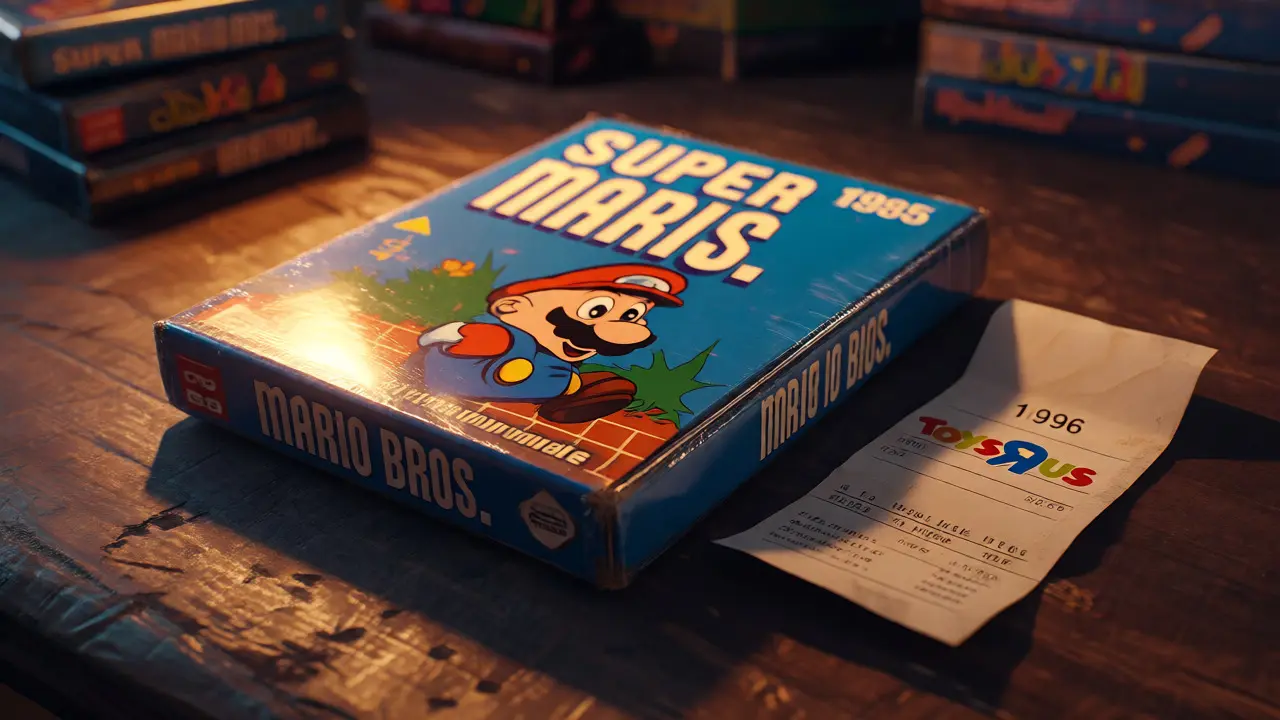
You just bought a sealed copy of Super Mario Bros. on eBay. The seller claims it’s from the original 1985 production run, but how do you know? Is it actually worth $20,000, or is it a cleverly resealed later print that’s barely worth $50? In the world of high-value video game collecting, the box and the plastic don’t tell the whole story. The real money-and the real risk-lives in the paper trail. This is called provenance: the documented history of ownership, storage conditions, and authenticity that proves an item is what the seller says it is.
If you’re serious about building a collection that holds its value-or if you’re trying to sell a rare title without getting lowballed-you need to treat your documentation as carefully as the game itself. A loose cartridge with no history is a gamble. A graded slab with a clear chain of custody is an asset. Here’s how to build that history so buyers trust you, and so you can sleep at night knowing you didn’t buy a fake.
Why Paperwork Beats Plastic Every Time
Think about why people pay premiums for signed baseballs or first-edition books. It’s not just the object; it’s the verified connection to history. The same logic applies to retro video games. A pristine copy of The Legend of Zelda is nice, but a copy that was owned by a notable collector, stored in a climate-controlled environment since 1987, and authenticated by a third party is valuable.
Without provenance, you are relying entirely on visual inspection. And let’s be honest: modern resealing techniques are scary good. You can’t always tell if a shrink wrap was applied in 1990 or last Tuesday. Documentation removes that doubt. It shifts the burden of proof from "I think this looks right" to "Here is the evidence." For high-ticket items-those over $1,000-this distinction can mean the difference between a sale and a return request six months later.
Building the Chain of Custody
Provenance isn’t a single document; it’s a timeline. If you are buying a game that already has some history, your job is to preserve and organize it. If you are starting fresh, you begin building it now.
- Original Receipts: These are gold. If the previous owner still has the receipt from Toys R Us dated 1996, keep it. Scan it. Store the digital file alongside photos of the game. This establishes the acquisition date.
- Ownership Transfers: Did the game change hands at a convention like PAX or through a private auction? Keep the invoice, the PayPal transaction record, or the handwritten bill of sale. Note who sold it, when, and for how much.
- Storage History: This sounds minor, but it matters. Was the game kept in a basement (humidity risk) or an attic (heat risk)? Ask the seller for details. If they have photos of the shelf it sat on for ten years, ask for those too. Consistent, safe storage preserves the cardboard and plastic integrity.
When you take possession, create a simple log. Use a spreadsheet or a dedicated app. List the Item Name, Acquisition Date, Source, Price Paid, and Condition Notes. This log becomes the backbone of your future sales pitch.
Leveraging Third-Party Grading Services
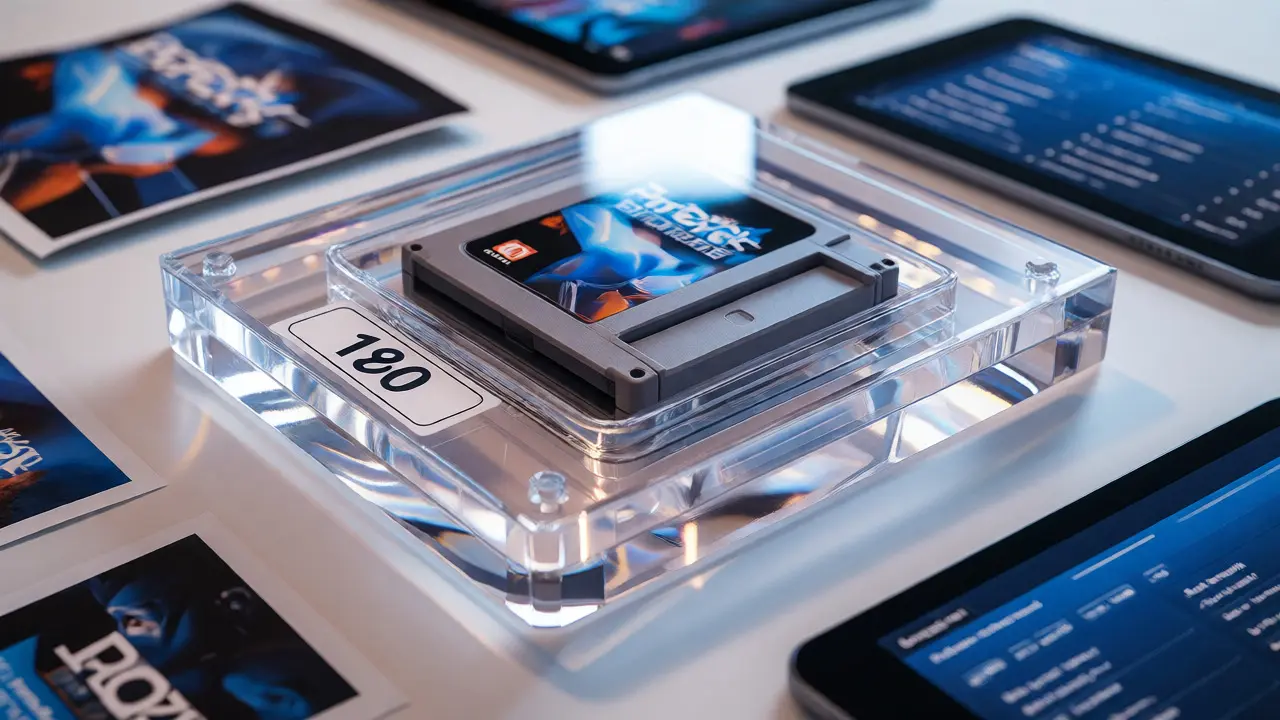
The biggest shortcut to instant provenance is using a professional grading service. Companies like VGA (Video Game Alliance), Wata Games, and Heritage Auctions act as neutral arbiters. They inspect the game, assign a numeric score (like 9.8 or 9.4), and seal it in tamper-evident plastic.
Why does this help with provenance? Because the certificate number printed on the slab links back to a database entry. That entry includes high-resolution images taken during grading, the exact dimensions, and any notes about restoration or defects. When you sell a graded game, you aren’t just selling a box; you’re selling a verified data point. Buyers trust these certificates because the companies have reputations to protect. If you’re holding a raw (ungraded) high-value item, consider submitting it for grading. The cost might be $50-$100, but it often adds thousands to the resale value and eliminates buyer hesitation.
| Method | Cost | Buyer Trust Level | Best For |
|---|---|---|---|
| Self-Documented Photos & Logs | Free | Low to Medium | Casual collectors, lower-value items ($10-$200) |
| Third-Party Grading (VGA/Wata) | $50 - $300+ | High | Sealed games, CIB (Complete in Box) items >$500 |
| Auction House Records | Commission fees | Very High | Museum-quality pieces, ultra-rare prototypes |
| Expert Appraisal Letter | $100 - $500 | Medium-High | Unique one-off items, custom modifications |
Digital Footprints and Modern Tools
You don’t need a filing cabinet full of paper to prove ownership anymore. Digital tools make this easier and more secure. Take timestamped photos immediately upon receiving a new purchase. Use your phone’s camera metadata to prove when the photo was taken. Upload these to a cloud storage service like Dropbox or Google Drive, organized by folder name (e.g., "1996_Pokemon_Red_Sealed").
Some collectors use blockchain-based solutions to create non-fungible tokens (NFTs) linked to physical items, though this is still niche in the gaming space. More commonly, social media serves as a public ledger. Posting your acquisition on Instagram or Twitter with a specific hashtag (#GameCollection, #RetroGaming) creates a public, time-stamped record that others see. While not legally binding, it shows consistency. If someone claims they’ve had a game since 2010, but their first post about it is from 2024, that raises questions.
Common Pitfalls That Kill Value
Even with good intentions, collectors often mess up their documentation. Here are the mistakes that hurt resale value:
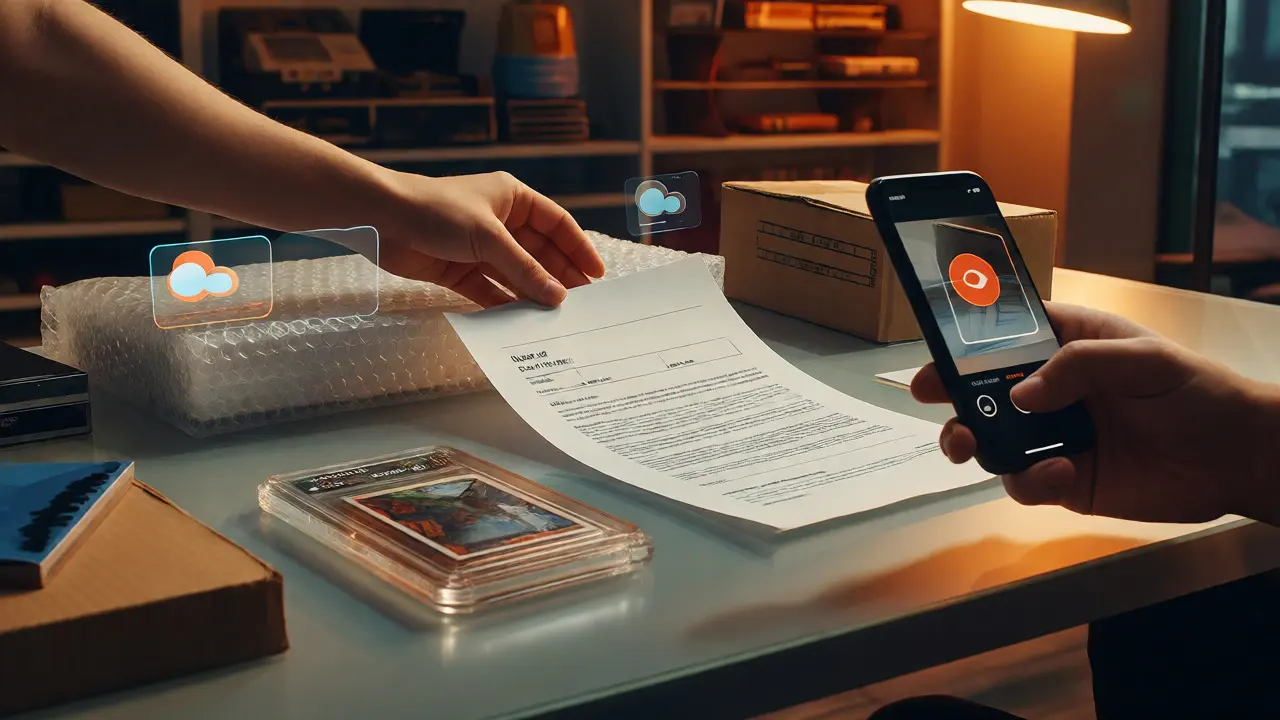
- Throwing Away Packaging: Never discard the bubble wrap, the shipping box, or the protective sleeve from a graded slab. These contain handling marks and dates that support the item’s journey.
- Over-Cleaning: If you clean a vintage manual or box, note exactly what you used. Did you use a mild soap solution? A dry cloth? Aggressive cleaning can remove original ink or gloss, which lowers the grade. Document the "before" state if possible.
- Ignoring Restoration: If you replace a broken hinge on a NES console or fix a torn corner on a box, say so. Don’t hide it. A disclosed repair with documentation is often more trustworthy than a hidden flaw discovered by a buyer’s expert eye.
- Assuming Everyone Knows the History: You remember where you bought it. Your buyer doesn’t. Write it down. If you inherited a game from your uncle, get his receipt if he has it, or write a signed statement explaining the family lineage.
Selling With Confidence
When you list your high-value game online, your description should mirror your documentation. Don’t just write "Mint condition." Write: "Graded 9.6 by VGA, Certificate #12345. Purchased new in 1995, stored in smoke-free home, never opened. Original receipt included." Include photos of the certificate, the back of the slab, and the original receipt. If you have a chain of custody, attach a PDF summary. This transparency reduces buyer anxiety. It tells them you aren’t hiding anything. In the secondary market, trust is the currency. By documenting provenance, you’re minting your own coins.
Do I need professional grading for every video game?
No. Professional grading is cost-effective primarily for games valued over $100-$200. For common titles worth less than $20, the grading fee will exceed the item's value. Focus on self-documentation for lower-tier collections.
What happens if I lose the original receipt?
You can still establish provenance through other means. Bank statements showing the transaction amount and date, credit card records, or even old magazine subscriptions sent to the same address can corroborate the timeline. Additionally, if the game was previously graded, the grading company's database serves as a permanent record of its existence and condition at that time.
Does cleaning a game reduce its value?
It depends on the method. Gentle dusting with a soft brush usually helps presentation. However, using water, solvents, or abrasive materials can damage vintage plastics and cardboard, potentially lowering the grade. Always document any cleaning attempts and consult a conservator for high-value items before applying liquids.
Can I create provenance after I've already bought a game?
Yes. Start today. Take detailed photos of the current state, scan any remaining paperwork, and begin logging storage conditions. While you can't recreate lost history, you can start a new chapter of custody that protects future buyers and increases the item's narrative value.
Are digital receipts valid for provenance?
Absolutely. Email confirmations, Amazon order histories, and PayPal transaction IDs are excellent forms of digital provenance. Save them as PDFs rather than just keeping them in your inbox, as email services can change or delete data over time.