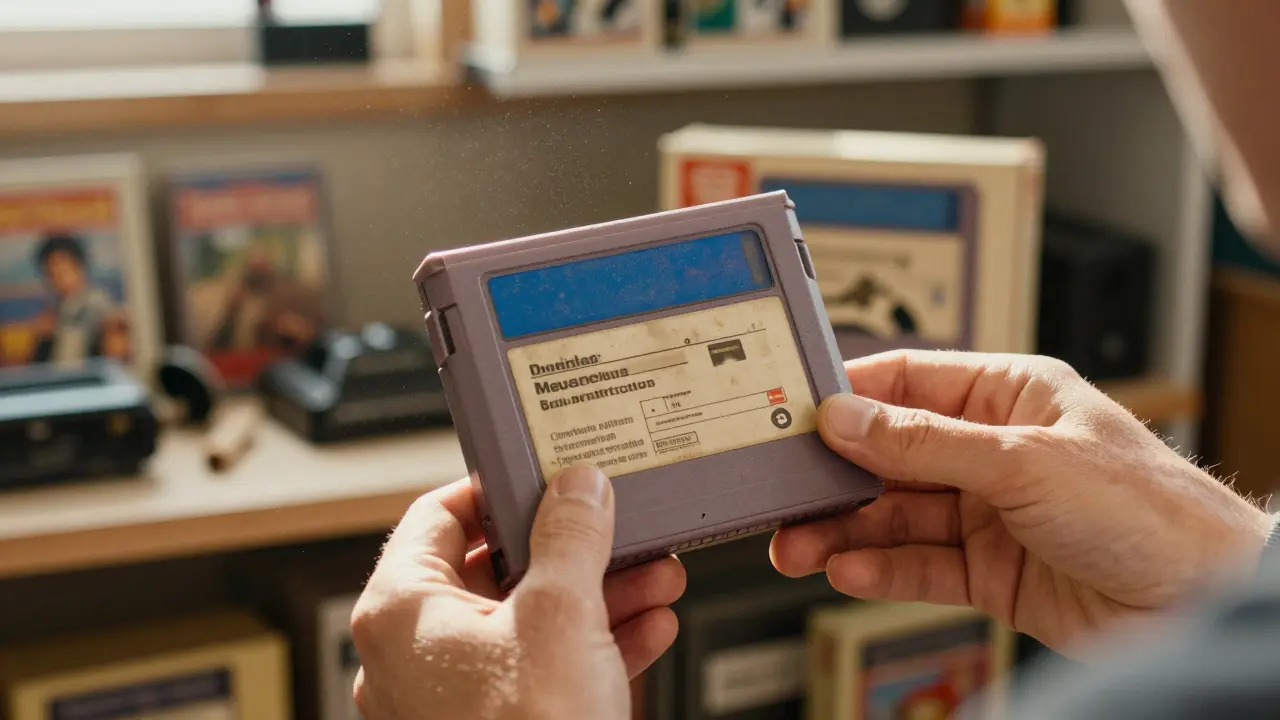
Walking out of a swap meet with a box full of retro cartridges and loose discs feels like a win. But if you don’t write down what you paid, where you bought it, and the condition of the items right then and there, that excitement fades fast. Three months later, you’re staring at a dusty box in your garage, wondering if that specific copy of Chrono Trigger was sealed or just shrink-wrapped. You have no idea if it’s worth $200 or $20. This is why documenting finds from video game events is not just for accountants; it’s essential for any collector who wants to maximize their future resale value.
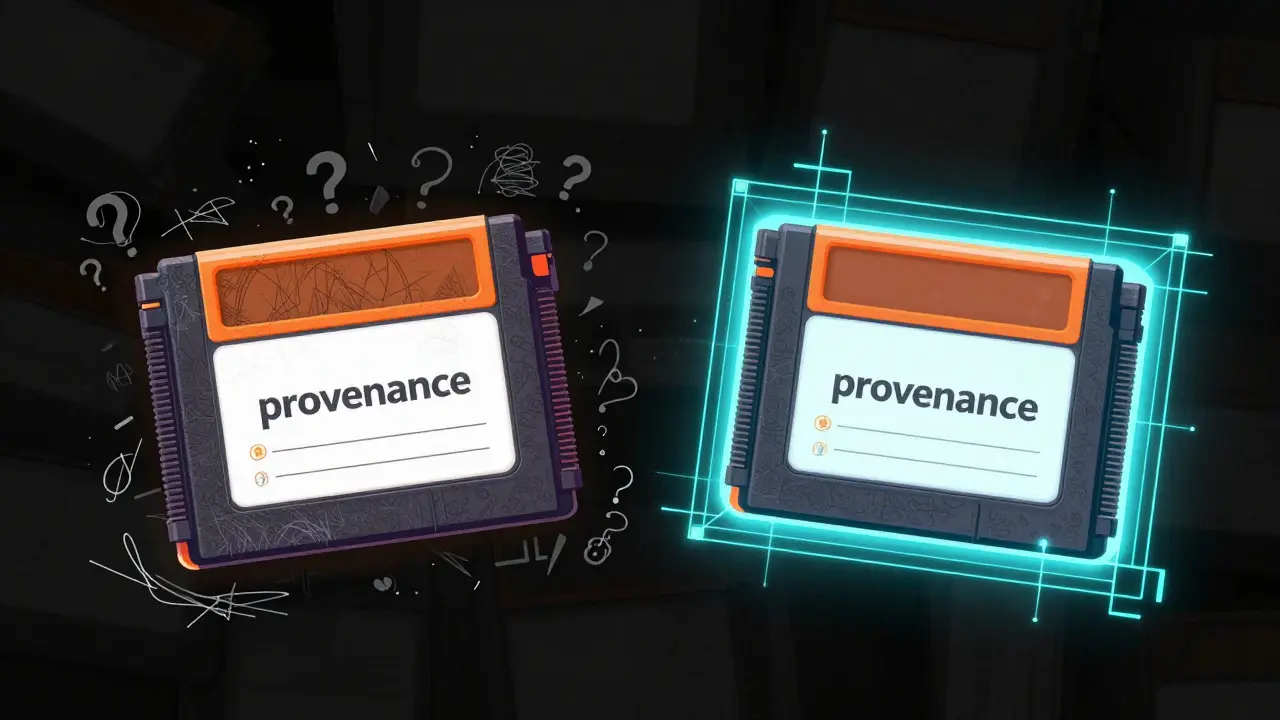
The core problem isn’t memory; it’s context. A photo of a game cartridge tells you what it looks like today. It doesn’t tell you that you found it in a cardboard box at a flea market in Portland for five dollars, nor does it prove that the manual was included at the time of purchase. Without these details, you lose the narrative that drives premium pricing in the secondary market. Buyers pay more for provenance. They pay more for verified completeness. Your notes are the bridge between a random object on a shelf and a valuable collectible asset.
Why Context Matters More Than the Item Itself
In the world of collectible video games, an item is only as good as its story. Consider two identical copies of a rare NES title. One seller lists it as "loose cart, tested working." The other says, "Found in original box at a local estate sale, includes instruction manual and cardboard sleeve, purchased August 2026." Which one do you trust? Which one feels safer to buy? The second one. The documentation reduces buyer anxiety. It proves that the item hasn't been tampered with and that the components were together when acquired.
This applies heavily to convention exclusives. If you bought a limited-run poster or a signed controller at a gaming convention, the receipt or a note about the vendor booth number serves as proof of authenticity. Without it, skeptics might assume it’s a replica. By recording the event name, date, and vendor, you create a verifiable chain of custody. This is particularly important for high-value items like first-edition strategy guides or promotional hardware that never hit mass retail shelves.
The Essential Data Points to Record Immediately
You don’t need a complex database. You need a consistent routine. Every time you make a purchase at an event, capture these five data points before you leave the venue. Doing this while the adrenaline is high ensures accuracy. Waiting until you get home usually leads to missing details.
- Date and Location: Not just "Saturday," but the specific day and the city. Prices vary by region, and knowing the location helps verify typical market rates for that area.
- Vendor or Source Type: Was it a private seller, a dedicated store, or a flea market table? Private sellers often sell below market value because they don’t know the true worth. Stores charge more but offer guarantees. This distinction matters for calculating your profit margin later.
- Total Cost: Include tax if applicable. If you bartered, note the value of the trade-in item. Accurate cost basis is crucial for tax reporting if you ever turn collecting into a side business.
- Condition Assessment: Use a standard scale. Is it Mint (M), Near Mint (NM), Very Good Plus (VG+), or Good (G)? Note any scratches, water damage, or faded labels immediately. Lighting at events can be poor, so check under direct sunlight or a strong phone flashlight if possible.
- Inclusions: List every component present. Cartridge, case, manual, stickers, warranty card, bag? If something is missing, note that too. "Loose" means different things to different people. Be specific: "Cart only, no case."
Tools for Tracking: From Pen and Paper to Digital Apps
How you record this information depends on your volume and tech comfort level. For casual collectors buying five to ten items a year, a simple notebook works fine. However, if you attend multiple events per month, digital tools save time and allow for easier searchability.
| Method | Best For | Pros | Cons |
|---|---|---|---|
| Paper Notebook | Casual buyers, low-tech preference | No battery needed, tactile, fast to write | Hard to search, risk of loss/damage, difficult to share |
| Spreadsheet (Excel/Sheets) | Data-driven collectors, tax tracking | Filterable, sortable, easy to calculate totals | Steep learning curve for formulas, clunky on mobile |
| Dedicated App (e.g., Collectorz, iCollector) | Serious hobbyists, large collections | Database integration, barcode scanning, cloud sync | Subscription costs, potential app discontinuation |
If you choose a spreadsheet, set up columns for the data points mentioned above. Add a column for "Current Market Value" that you update quarterly. This allows you to see which categories of games are appreciating fastest. For example, you might notice that handheld console games from the late 1990s are rising in value faster than home console titles. This insight helps you decide whether to hold onto an item or sell it now.
Photography Best Practices for Proof of Condition
Photos are your visual evidence. But bad photos can hurt you more than help you. A blurry image of a scratched disc proves nothing. Follow these rules to ensure your photos stand up to scrutiny:
- Use Natural Light: Avoid flash, which creates glare on plastic cases and screens. Take photos near a window or outside during the day.
- Show All Angles: Capture the front, back, spine, top, bottom, and sides. For cartridges, show the label, the back connector pins, and the case corners.
- Include a Reference Object: Place a coin or a ruler next to the item to show scale. This is helpful for smaller items like trading cards or miniatures.
- Zoom In on Defects: If you noted a scratch in your text, take a close-up photo of that exact spot. This prevents disputes later where a buyer claims the defect wasn't disclosed.
- Name Files Consistently: Use a format like YYYY-MM-DD_ItemName_Vendor. Example: 2026-08-17_ChrnoTrigger_PrivateSeller. This makes it easy to find files in your computer or cloud storage.
For sealed media, photograph the shrink wrap carefully. Look for bubbles, tears, or signs of re-shrinking. Re-sealed items are a common scam at swap meets. If you suspect re-sealing, note it in your records as "Suspected Re-seal" and price accordingly. Honesty in documentation builds your reputation as a trustworthy seller in online forums and local groups.
Managing Tax Implications and Profit Margins
Most collectors treat their hobby as non-taxable personal property. However, if you regularly buy and sell with the intent to make a profit, the IRS may classify your activity as a business. Keeping accurate records protects you either way. If you sell an item for $500 that you bought for $50, you have a capital gain of $450. If you didn't keep a record of the $50 purchase, you might face questions about the cost basis.
Even if you're not worried about taxes, tracking your profit margins helps you become a smarter buyer. If you consistently buy Nintendo Switch games at conventions and resell them for a 10% markup, you might want to switch to rarer PlayStation 3 titles that yield a 40% markup. Your records reveal these trends. Over time, you'll develop an intuition for which vendors offer the best deals and which types of items appreciate fastest. This data turns your hobby into a strategic investment portfolio.

Common Pitfalls to Avoid
Many collectors fall into traps that undermine their documentation efforts. Here are the most common mistakes and how to fix them:
- Waiting Too Long: Notes made a week later are unreliable. Write them down at the event. Even a quick scribble in your phone's notes app is better than nothing.
- Vague Descriptions: "Good condition" is subjective. "Light scuffing on top left corner, otherwise clean" is objective. Specificity wins arguments.
- Ignoring Accessories: A game without a manual is worth significantly less than one with it. Documenting the absence of accessories is just as important as documenting their presence.
- Losing Receipts: Keep physical receipts in a dedicated envelope or scan them into your digital folder. If you can't get a receipt, take a photo of the vendor's sign or business card.
Frequently Asked Questions
Do I need to document every single item I buy?
Ideally, yes. Even cheap items can become valuable over time, and having a complete record simplifies inventory management. If you're overwhelmed, prioritize items over $20 or those with unique features like signatures or limited editions.
What if I buy from a friend or family member?
Document it just like any other purchase. Note the relationship, the agreed-upon price (or 'gift'), and the condition. If it's a gift, mark it as such. If you later sell it, the cost basis is typically zero for gifts, but having a record of the acquisition date helps establish when the item entered your possession.
How long should I keep my purchase records?
Keep them indefinitely. Collectibles can appreciate for decades. A game bought in 2026 could be worth significantly more in 2036. Digital storage is cheap, so there's no reason to delete old records. They serve as historical data for your collection's growth.
Is a photo enough proof of condition?
A photo is helpful but not sufficient on its own. Combine it with written notes. Photos can be misinterpreted due to lighting or angle. Written descriptions clarify specific defects. Together, they provide a robust defense against buyer disputes.
Should I include the event name in my public listings?
Yes, if it adds value. Mentioning that an item came from a major convention or a reputable local dealer adds credibility. However, you don't need to disclose the exact price you paid unless you want to show a significant bargain. Focus on the source's reputation rather than the transaction details.