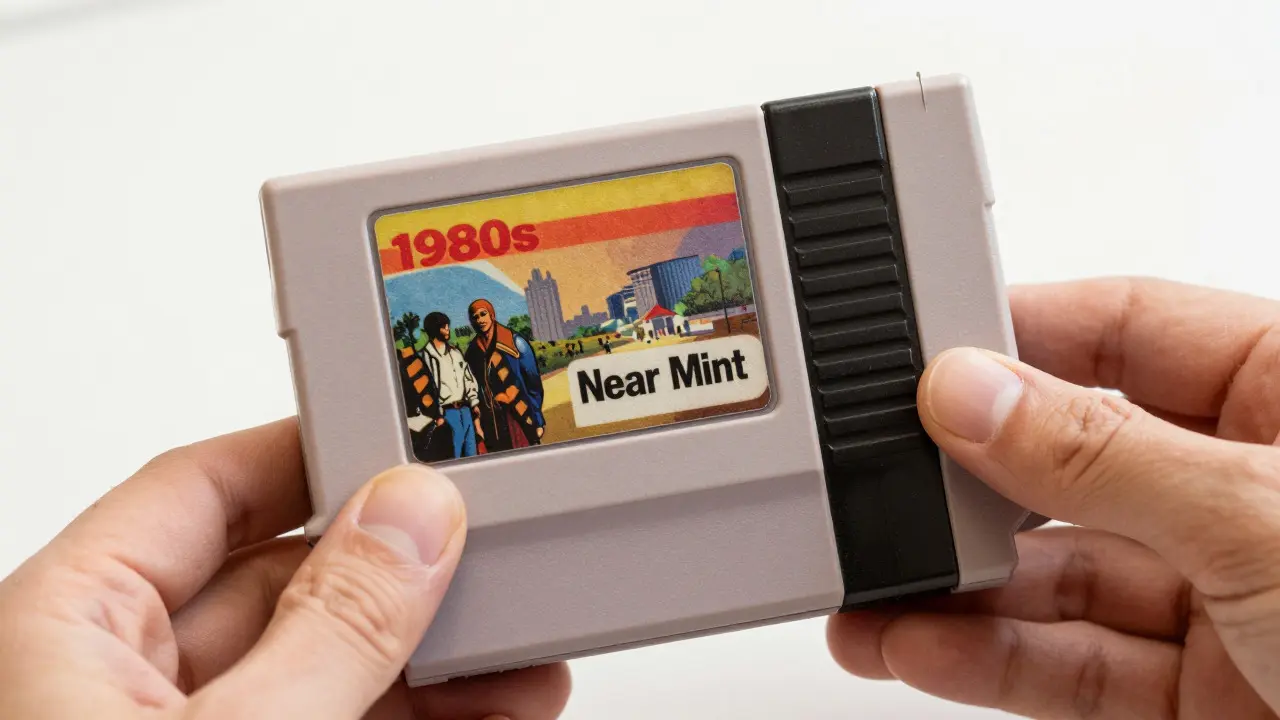
Imagine holding a copy of The Legend of Zelda from 1986. The box is gone, but the cartridge looks decent. You want to sell it, but you're not sure if it's worth $50 or $500. That gap usually comes down to one thing: how well you can grade it yourself before sending it to a professional service like WATA or VGAC.
Pre-grading is the process of evaluating the physical condition of a retro video game cartridge using a standardized scale to estimate its final value and authenticity risk. It saves you money by avoiding unnecessary shipping fees for games that might fail authentication, and it helps you set realistic prices when selling locally. This guide breaks down the 10-point scale used by major grading services so you can make smarter decisions about your collection.
Understanding the 10-Point Grading Scale
Most professional grading companies use a 10-point numerical system. Unlike coins or comics, which have complex sub-grades (like 9.5 or 9.8), video games often stick to whole numbers because the plastic shells are more prone to uniform wear. However, the difference between a 7 and an 8 can double a game's value.
Here is how the scale typically works in practice:
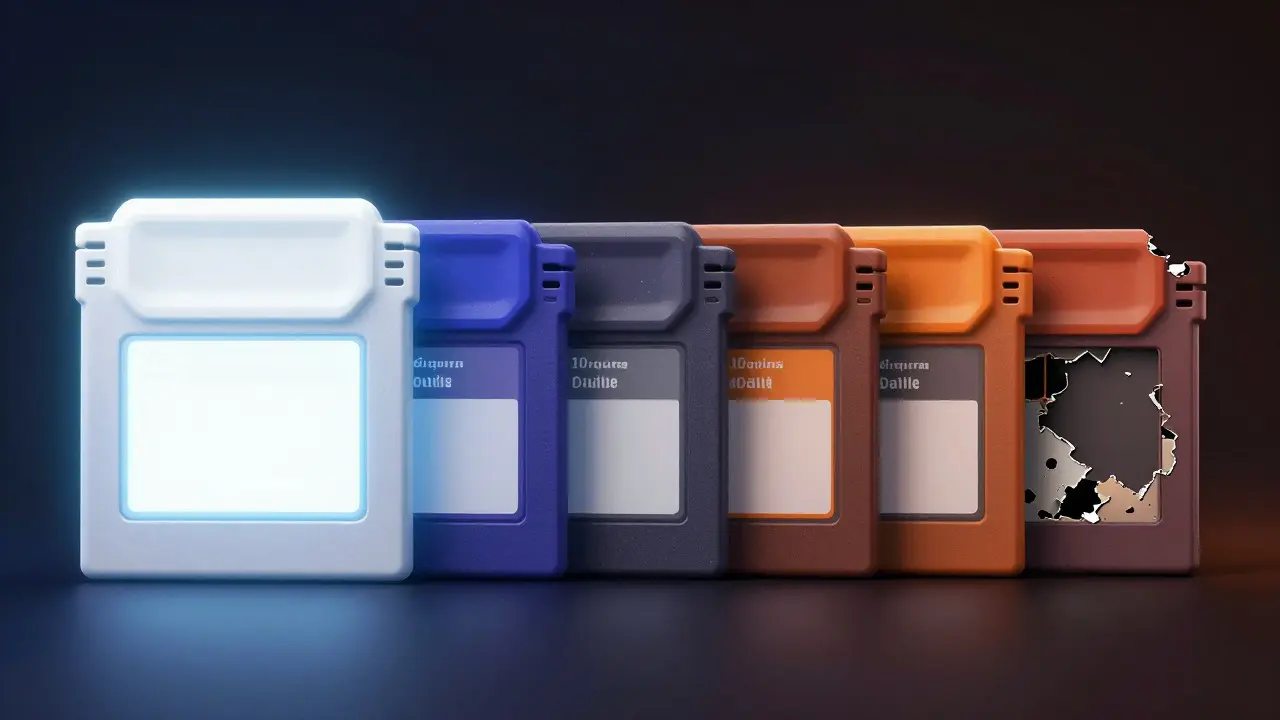
- 10 (Mint): No visible flaws under normal lighting. The label is perfectly straight. The shell has no scratches. This is rare for anything older than 10 years.
- 9 (Near Mint): Minor flaws only visible under magnification or harsh light. The label might have a tiny pinhole or a slight off-center print.
- 8 (Very Fine): Light wear visible to the naked eye. Small scratches on the shell, minor label fading at the edges. This is the "sweet spot" for most collectors who don't want to pay mint prices.
- 7 (Fine): Noticeable wear. Scratches on the front and back, some scuffing on the corners. The label is intact but shows age-related discoloration.
- 6 (Very Good): Heavy wear. Deep scratches, chipped corners, or significant label peeling. Still playable, but clearly used.
- 5 (Good) and below: Significant damage. Cracked shells, missing labels, or heavy water damage. These are often sold as "playable copies" rather than collectibles.
A key distinction here is the difference between wear and damage. Wear is expected over time; damage implies an accident or poor storage. A scratch across the top edge of a NES cartridge is wear. A crack splitting the shell is damage. Graders penalize damage much more heavily than wear.
Step-by-Step: How to Inspect Your Cartridge
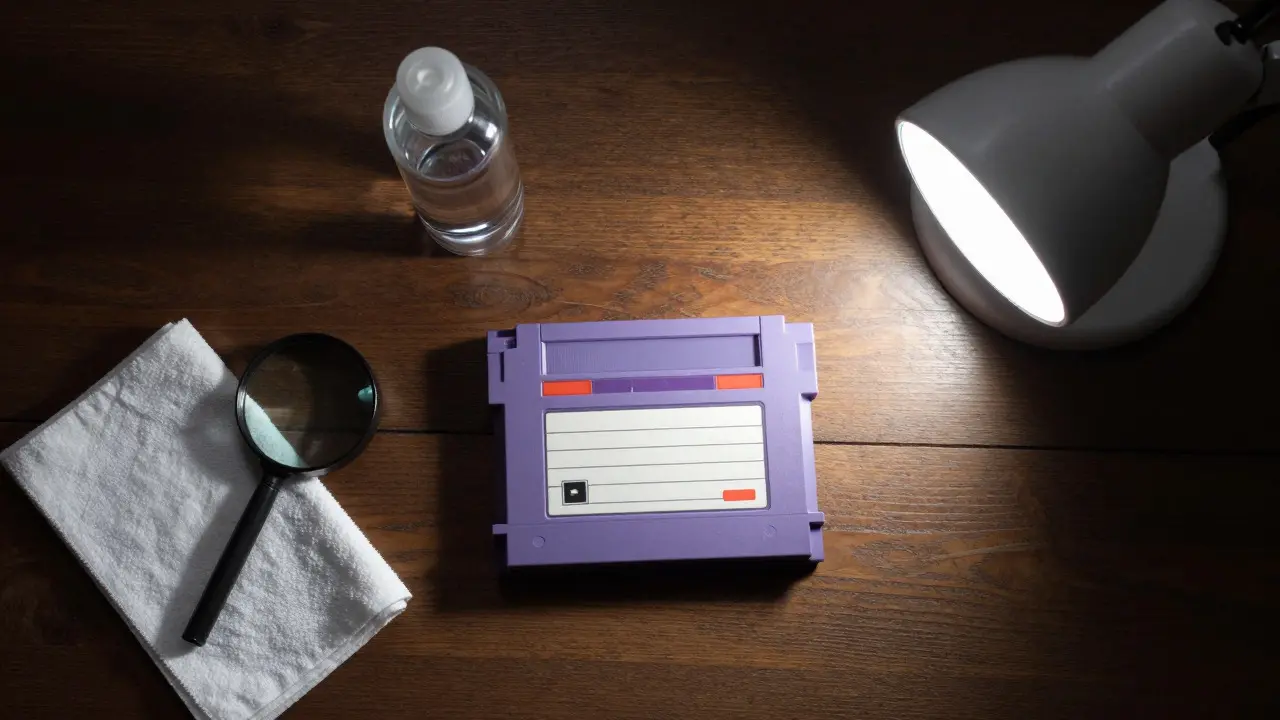
You don't need a lab to do this. You need a bright light source, a clean workspace, and a steady hand. Here is the exact workflow I use to pre-grade my own inventory before listing them online.
- Clean the Surface First: Dust and fingerprints create false positives. Use a microfiber cloth dampened with distilled water (no alcohol, as it can dry out old plastics). Wipe the shell and the label gently. Let it air dry completely.
- Check the Shell Integrity: Look for cracks, chips, or stress fractures. Pay attention to the four corners and the eject button area. On SNES cartridges, check the sides where they snap into the console. If the plastic feels brittle or makes a clicking sound when pressed, it’s likely suffering from plasticizer migration, which lowers the grade significantly.
- Inspect the Label: This is the most critical part. Hold the cartridge up to a strong light. Look for:
- Pinholes: Tiny holes from pins or needles. Even one pinhole can drop a grade from 9 to 8.
- Peeling: Is the label lifting at the edges? Any lift over 1mm is a deduction.
- Fading: Compare the colors to a reference image online. Yellowing is common in yellow-label games (like early N64 titles) but uneven fading is a defect.
- Creases: Sharp folds in the paper label indicate rough handling.
- Examine the Connector Pins: Turn the cartridge over. Are the gold pins straight? Bent pins suggest the game was forced into a console or dropped. Oxidation (green or black residue) indicates moisture exposure. Clean pins with a pencil eraser or specialized contact cleaner if needed, but note that heavy oxidation is a red flag for internal corrosion.
- Test the Eject Button: Press the button firmly. It should click smoothly. If it sticks, wobbles, or doesn’t return fully, the internal mechanism may be damaged. This doesn't always affect the visual grade, but it impacts playability value.
Common Pitfalls That Lower Your Grade
Even experienced collectors miss these details. Avoid these mistakes to ensure your pre-grade matches what a professional would assign.
Ignoring Backside Wear: Many sellers only look at the front. But graders inspect all six sides. Scuffs on the bottom or back can lower a grade from 9 to 8. Always rotate the cartridge slowly while looking at each face.
Confusing Fading with Damage: Sunlight causes UV fading. While this is a flaw, it is less severe than a scratch. A uniformly faded label is often graded higher than a sharp, un-faded label with one deep scratch. Context matters.
Over-Cleaning Labels: Using too much water or rubbing too hard can warp the paper label or smear ink. If the label starts to ripple, you’ve just lowered the grade. Use minimal moisture and gentle pressure.
Misidentifying Authenticity Issues: Before grading, verify the game is authentic. Check the seal stickers, font consistency, and color codes. A counterfeit game gets a zero grade regardless of condition. For example, fake Super Mario Bros. 3 cartridges often have slightly different font spacing on the label. Cross-reference with known authentic examples online.
Comparing Pre-Grades to Professional Results
Your home grade is an estimate. Professional graders use magnifiers and standardized lighting. Here is how close you can expect to be:
| Factor | Home Pre-Grading | Professional Grading |
|---|---|---|
| Lighting | Standard room light or desk lamp | Calibrated LED panels, multiple angles |
| Magnification | Naked eye or basic loupe | 10x-20x digital microscopes |
| Reference Database | Online images (variable quality) | Internal archive of thousands of graded units |
| Consistency | Subjective, varies by person | Standardized rubric, multiple reviewers |
| Cost | $0 | $30-$50 per unit + shipping |
If your home grade is a 7, expect the pro grade to land between 6 and 8. If you think it’s a 9, prepare for a potential drop to 8. The margin of error is usually one point. This is why pre-grading is crucial: it tells you if the cost of professional grading is worth the potential value increase.
When to Send for Professional Grading
Not every game needs a slab. Here is a simple decision tree:
- Send if: The game is rare (limited print run, region-exclusive), the estimated value is over $200, or you plan to store it long-term in a climate-controlled environment.
- Skip if: The game is common (mass-produced title), the estimated value is under $50, or the condition is below a 7 (where the slab cost outweighs the value premium).
For high-value items, consider getting a second opinion from a local collector group before shipping. Sometimes, a subtle flaw you missed will be caught by another human eye before you spend $50 on grading fees.
Frequently Asked Questions
Does cleaning a cartridge before grading hurt its value?
Proper cleaning does not hurt value; in fact, it helps reveal true condition. However, aggressive cleaning can cause new damage. Use only distilled water and soft cloths. Avoid alcohol, acetone, or abrasive materials. If the label is already peeling, cleaning might worsen it, so proceed with extreme caution or skip cleaning the label entirely.
What is the difference between a 9 and a 10 on a cartridge?
A 10 (Mint) has no visible flaws under normal viewing conditions. A 9 (Near Mint) has minor flaws that require close inspection or magnification to see. For example, a tiny pinhole in the label or a faint hairline scratch on the shell would make a cartridge a 9 instead of a 10. Most collectors find it difficult to distinguish between 9s and 10s without a loupe.
Should I grade games with missing manuals or boxes?
Yes, but note that the grade applies only to the cartridge itself. The absence of a manual or box does not lower the cartridge's grade, but it does lower the overall market value of the complete set. When selling, clearly state "Cartridge Only" or "Loose" to avoid buyer confusion. Grading services will still grade loose cartridges, but the certificate will reflect the item submitted.
How do I handle water-damaged cartridges?
Water damage is a significant defect. Look for bubbling on the label, rust on the pins, or cloudiness inside the shell. If the game plays fine, it might still get a grade of 5 or 6, but it will rarely go above that. If the label is warped or the shell is cracked from swelling, it may be graded lower. Always test the game before grading to ensure functionality, as non-working games are often unsellable as collectibles.
Is pre-grading necessary for local sales?
It is highly recommended. Local buyers are often skeptical of seller claims. By providing a detailed pre-grade with photos of specific flaws, you build trust and justify your price. If you claim a game is "mint" but it has a scratch, the sale falls through. Accurate self-assessment prevents disputes and speeds up transactions.