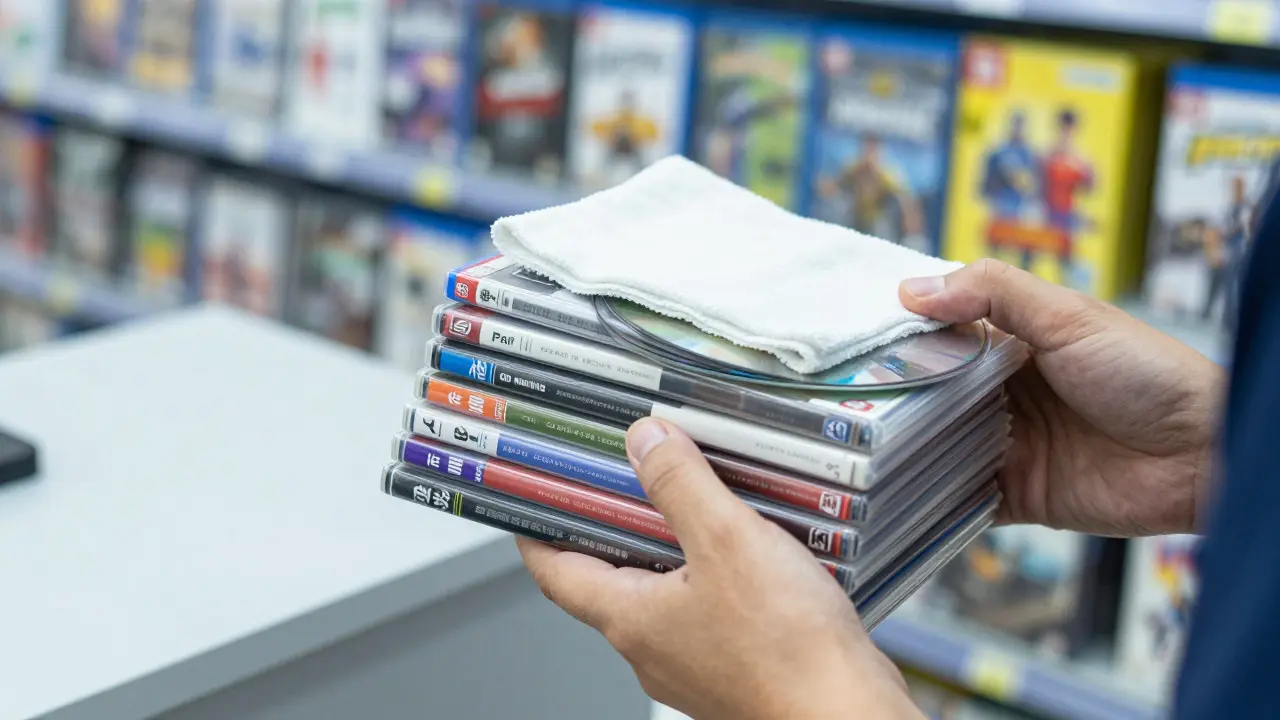
Ever walked into a GameStop or Best Buy with a stack of old games, only to be handed a credit check that made you want to walk out? You’re not alone. The gap between what you think your used video games are worth and what the store actually offers can be frustrating. The secret lies in understanding how to read and use retail buy lists.
A retail buy list is a dynamic document maintained by brick-and-mortar stores that dictates exactly how much cash or store credit they will pay for specific media items. It’s not just a price tag; it’s a negotiation tool. If you know how to decode these lists before you even step through the door, you stop guessing and start negotiating. This guide breaks down the anatomy of a buy list, shows you where to find them, and teaches you the tactics to maximize your payout in 2026.
The Anatomy of a Retail Buy List
Most major retailers publish their buy lists online as PDFs or interactive web tables. At first glance, they look like spreadsheets, but there are specific columns that matter more than others. When you open a list from a chain like GameStop or Best Buy, look for these three critical data points:
- Platform: This isn't just "PS5" or "Xbox Series X." It often distinguishes between digital codes (which have lower resale value) and physical discs/cartridges. Always confirm if the list applies to physical media unless stated otherwise.
- Condition Grade: Stores usually categorize items into grades like "Like New," "Good," or "Fair." A "Fair" condition game might have a scratched disc or a worn case. Knowing the exact definition of these grades prevents disputes at the counter.
- Buy Price vs. Trade-In Credit: This is the biggest trap. The "Buy Price" is what they pay in cash. The "Trade-In Credit" is what they give you in store credit. In 2026, the difference is typically 15-20% higher for credit. If you plan to buy something else, always ask for the credit rate, not the cash rate.
There is also a hidden column often labeled "Notes" or "Exclusions." This is where stores list items that are technically on the list but won't be accepted due to regional licensing issues, missing manuals, or known defects. For example, a Japanese import game might be listed with a price, but the note says "US Region Only." Ignoring this note means your item gets rejected at the register.
Where to Find Accurate Buy Lists
You don’t need to guess. Every major retailer publishes their current buy lists digitally. However, finding the right one requires knowing which source is live. Here is how to locate the most up-to-date information:
- Official Store Websites: Navigate to the "Sell Your Games" or "Trade-In" section of the retailer's homepage. These pages link directly to the current month's PDF or database. This is the gold standard because it updates in real-time.
- Local Store Emails: Many local independent game shops send weekly newsletters with their specific buy rates. Independent stores often pay 10-15% more than national chains for rare titles because they operate on thinner margins and have loyal customer bases.
- Community Databases: Sites like PriceCharting track historical sale prices across eBay and local stores. While not a direct buy list, it helps you benchmark whether a store's offer is fair compared to the broader market.
Pro tip: Bookmark the specific URL for your preferred store's buy list page. Prices change frequently-sometimes weekly-based on new release dates and holiday seasons. A list from last month might show a $40 buy price for a popular title that is now down to $35 because a sequel was released.
Decoding Condition Grades: What Counts as 'Good'?
The number one reason for lowball offers is condition disputes. You think your game is "Like New" because you played it once. The clerk thinks it's "Fair" because there is a faint fingerprint smudge on the case. To avoid this, understand the industry-standard grading scale used by most US retailers in 2026:
| Grade | Case/Disc Condition | Manual/Extras | Typical Value Impact |
|---|---|---|---|
| Like New | No scratches, no scuffs, original shrink wrap optional | All included | 100% of list price |
| Good | Light wear, minor surface scratches that do not affect playability | Missing manual acceptable in most cases | 80-90% of list price |
| Fair | Visible cracks, heavy scuffing, warped case | Missing extras common | 50-70% of list price |
| Poor/No Buy | Unplayable disc, broken spine, severe damage | N/A | $0
Notice the "Good" category. Most modern games are bought in "Good" condition. You do not need to keep the manual for a 2026 release unless it’s a collector’s edition. Focus on cleaning the disc. A microfiber cloth takes ten seconds and can bump your grade from "Fair" to "Good," instantly increasing your payout by $5-$10 per item.
Strategies to Maximize Your Payout
Reading the list is passive. Using it actively is where the money is. Here are four tactical moves to get the best deal:
1. Time Your Trade-Ins
Prices fluctuate based on demand. The worst time to sell a game is the day after its successor launches. The best time is during holiday seasons (November-December) when foot traffic is high and clerks are less likely to haggle aggressively. Conversely, selling niche indie titles in January, when people are looking for cheaper entertainment, can yield better relative value.
2. Bundle Digital Codes Carefully
If you have digital gift cards or unused codes, check if the store accepts them. Some chains accept them at face value minus a small fee, while others refuse them entirely. If they do accept them, the buy list will have a separate section. Do not mix digital codes with physical media in your head-they follow different depreciation curves.
3. Leverage the "Store Credit" Upside
As mentioned, store credit is almost always worth more than cash. If you are trading in five games worth $100 in cash, you might get $120 in credit. If you need that cash immediately, ask if they have a "cash discount" policy. Some stores allow you to take cash but deduct 10%. Calculate which option leaves you with more net value after accounting for what you plan to buy next.
4. Negotiate Based on Rarity
Buy lists are static documents. They cannot account for a sealed copy of a limited-edition run. If you have an item that is technically on the list but in a special variant (e.g., a steelbook instead of a plastic case), point this out. Clerks have discretion to add a small premium for rare variants. Have the buy list printed or saved on your phone to show them the base price, then argue for the premium.
Common Pitfalls to Avoid
Even with the best preparation, mistakes happen. Here are the traps that cost gamers the most money:
- Ignoring Regional Locks: A game bought in Europe might not be accepted in the US, or vice versa, depending on the platform. Check the region code on the back of the case against the buy list notes.
- Assuming All Copies Are Equal: First pressings of certain titles hold higher value than re-releases. If the buy list doesn't specify, assume it’s valuing the common re-release. Be prepared to negotiate for first pressings.
- Forgetting About Bundles: If you have a console bundle (console + game), the buy list might value them separately. Sometimes, keeping the bundle intact yields a higher total value than splitting it up. Check both scenarios before heading to the store.
- Not Checking Expiration Dates: Some digital codes expire. Physical games don't, but some older media formats (like VHS or LaserDisc) are rarely accepted anymore. Verify format compatibility.
Independent Stores vs. National Chains
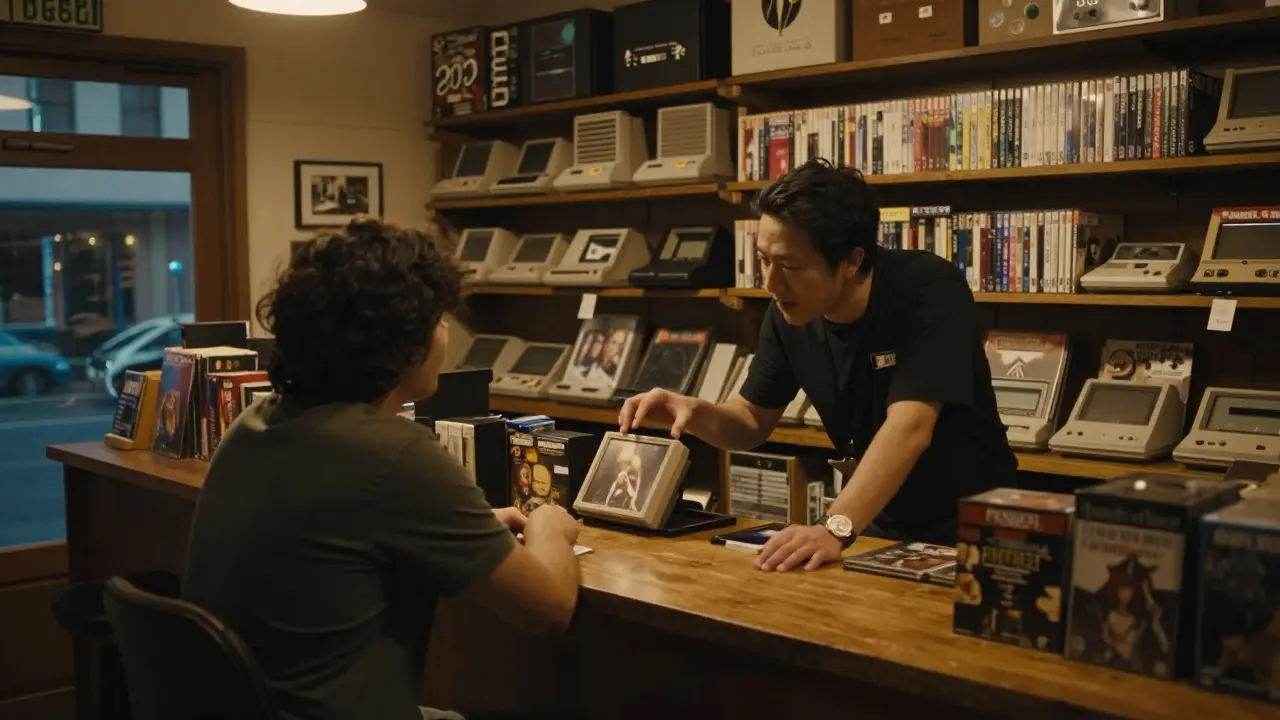
Should you go to the big box store or the local shop? It depends on your goal. National chains like Walmart or Target offer convenience and consistent pricing, but their margins are thin, leading to lower buy prices. Local independent game stores, however, often have higher buy rates for mid-tier and older titles because they cater to collectors and enthusiasts who are willing to pay a premium for quality inventory.
In Portland, Oregon, for example, several local shops maintain buy lists that are 10-15% higher than national averages for PlayStation 4 and Nintendo Switch titles. If you have a large collection, visiting two or three local shops and comparing their specific lists can save you hours of frustration and hundreds of dollars. Just remember: local lists change faster. Call ahead to confirm they still want the specific title you have.
Next Steps for Your Next Trade-In
Ready to turn your shelf space into cash? Follow this quick checklist before you leave the house:
- Clean Your Media: Wipe down all discs and cartridges. Remove stickers from cases.
- Check the List: Download the current PDF from your target store’s website. Note the "Good" condition price for each item.
- Calculate Totals: Add up the estimated value. Decide if you want cash or credit.
- Bring ID: Most stores require a photo ID for trades over a certain amount to prevent fraud.
- Ask Questions: At the counter, ask the clerk to explain any deductions. Polite persistence often leads to a better grade assessment.
By treating the buy list as a reference tool rather than a final verdict, you empower yourself to make smarter financial decisions. Your games have value-knowing how to extract it is a skill that pays off every time you visit the counter.
Do retail buy lists update daily?
Not necessarily. Major chains like GameStop and Best Buy typically update their buy lists weekly or bi-weekly. However, individual stores may adjust prices locally based on inventory levels. It is always best to check the official online list on the day of your visit to ensure accuracy.
Is it better to sell games online or to a retail store?
Selling online (via eBay or Facebook Marketplace) usually yields a higher profit because you cut out the middleman. However, it requires time for listing, shipping, and dealing with buyers. Retail stores offer instant cash or credit with zero effort. Choose online for rare/high-value items and retail for bulk/common items.
What happens if my game is not on the buy list?
If a game is not on the list, the clerk has discretion to assign a value based on similar titles or general knowledge. This is often where negotiation comes in. If the game is recent and popular, expect a fair offer. If it is obscure or old, the offer might be very low or zero. Having a backup plan (like selling online) is wise for unlisted items.
Do I need the original box and manual to get a good price?
For most modern games (post-2015), the manual is rarely required for a "Good" grade. The disc and case are the primary factors. However, for collector’s editions or retro consoles, the full set (box, manual, all extras) is crucial for achieving "Like New" status and maximum value.
Can I return a game I just traded in?
Generally, no. Once a trade-in is processed, the transaction is considered final. Unlike buying a new item, you cannot reverse a trade-in within a 30-day window. This makes it essential to verify the buy list and condition grades before handing over your media.