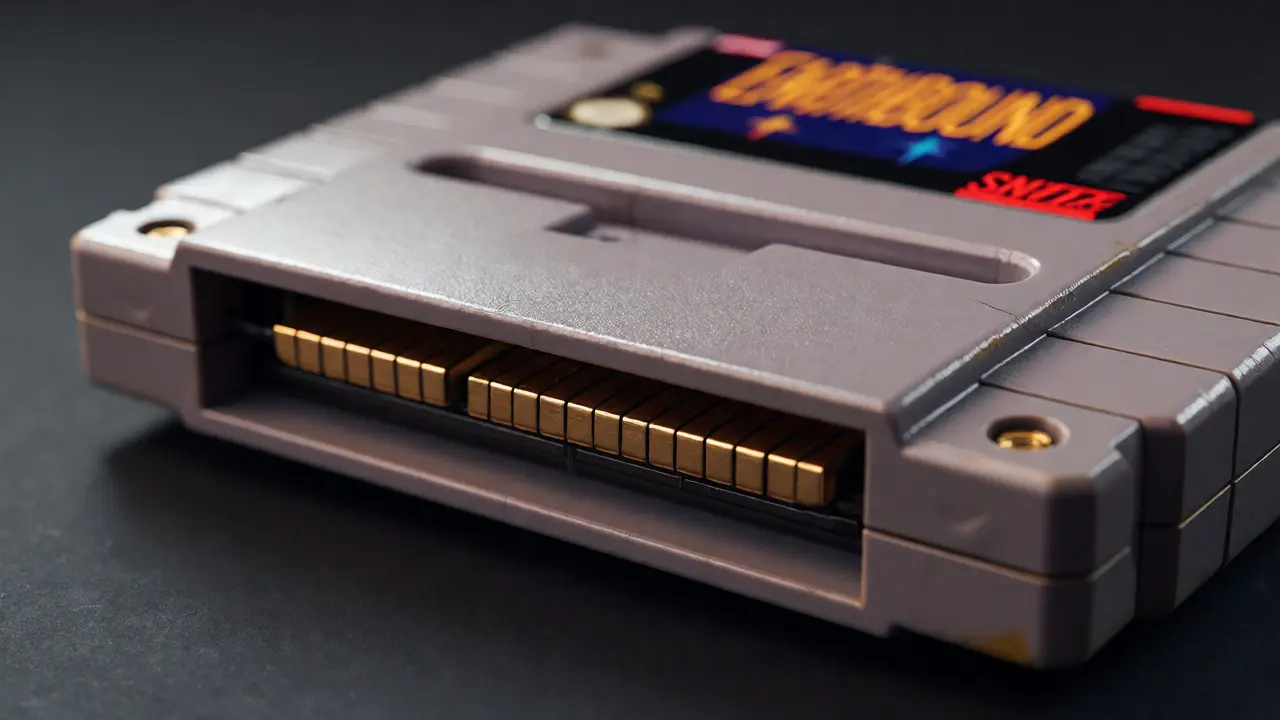
You found a sealed copy of EarthBound for the SNES. The price tag is steep, but the seller claims it’s "Mint." You’re about to drop two grand on a piece of cardboard and plastic, but you’re hesitating. Why? Because "Mint" means nothing if you don’t know what they actually checked. If you’ve ever burned money on a "Near Mint" cartridge that turned out to have a cracked shell or a faded label, you know the pain. Reading a condition report isn’t just about looking at photos; it’s about decoding a specific language used by professional graders and experienced sellers.
This guide breaks down exactly how to interpret those reports so you can bid with confidence. We’ll look at the standard grading scales, the hidden flaws that kill value, and the specific red flags in digital catalogs. Whether you’re hunting for NES classics or PS1 gems, understanding the paperwork is your best defense against buyer’s remorse.
The Grading Scale: Decoding the Numbers
Most reputable video game auctions use a standardized grading scale, often aligned with organizations like VGA (Video Game Authority) or Wata Games. These aren’t arbitrary labels; they are strict assessments of physical state. When you see a grade like 9.5 or 9.8, it tells you precisely where the item sits on the spectrum from pristine to playable.
| Grade | Description | Value Impact |
|---|---|---|
| 10 (Gem Mint) | Perfect. No wear, no yellowing, factory seal intact (if applicable). | Highest premium. Rare. |
| 9.8 - 9.5 (Mint/Near Mint) | Minimal handling marks. Labels clean. Cartridge contacts shiny. | High value. Collectible standard. |
| 9.0 - 8.5 (Very Good Plus) | Light shelf wear. Minor scuffs on case. Label may have slight edge wear. | Good market value. Common for good copies. |
| 8.0 - 7.0 (Good/Very Good) | Visible scratches on case. Yellowing present. Label might be slightly off-center. | Lower value. Player grade. |
| 6.0 - 4.0 (Poor/Fair) | Cracked cases, broken inserts, heavy yellowing, missing manual pages. | Discounted. Restoration candidates. |
Notice the gap between a 9.5 and an 8.5? That’s not just a number; it’s often a difference of hundreds of dollars for rare titles. A 9.5 implies the item looks like it just left the store shelf. An 8.5 admits it lived in someone’s house for twenty years. Always ask yourself: does the description match the grade claimed? If a listing says "9.5" but mentions "slight corner dings," the grader might be generous. Be skeptical.
Anatomy of a Condition Report: What They Actually Check
A proper condition report doesn’t just say "good shape." It breaks the item down into components. For loose cartridges, this means inspecting the shell, the label, the contacts, and the internal board. For boxed games, it includes the box art, the spine, the flaps, and any included manuals or maps.
Start with the Cartridge Shell. Look for terms like "yellowing," "cracking," or "stress marks." Yellowing is common in older plastics due to UV exposure and bromine flame retardants. While some collectors accept mild yellowing, severe discoloration drops the grade significantly. Stress marks-tiny white lines appearing near screw holes-are a sign of age-related brittleness. If the report notes "hairline cracks," assume they will spread if handled roughly.
Next, examine the Label. This is where fakes hide. Authentic Nintendo labels have specific paper textures and print qualities. A condition report should note if the label is "original," "replacement," or "reprinted." Reprinted labels are fine for playing but hurt collector value. Also, check for "label lift" or peeling edges. If the glue has failed, the label could fall off during shipping. A pro grader will flag this as a structural issue, not just cosmetic.
Don’t ignore the Contacts. These are the gold-plated pins inside the cartridge slot. Oxidation here causes read errors. A report stating "clean contacts" or "no oxidation" is crucial. If it says "lightly cleaned," ask what was used. Isopropyl alcohol is safe; abrasive erasers are not. Scratched contacts can permanently damage your console’s pin block.
Boxed Games: The Hidden Traps
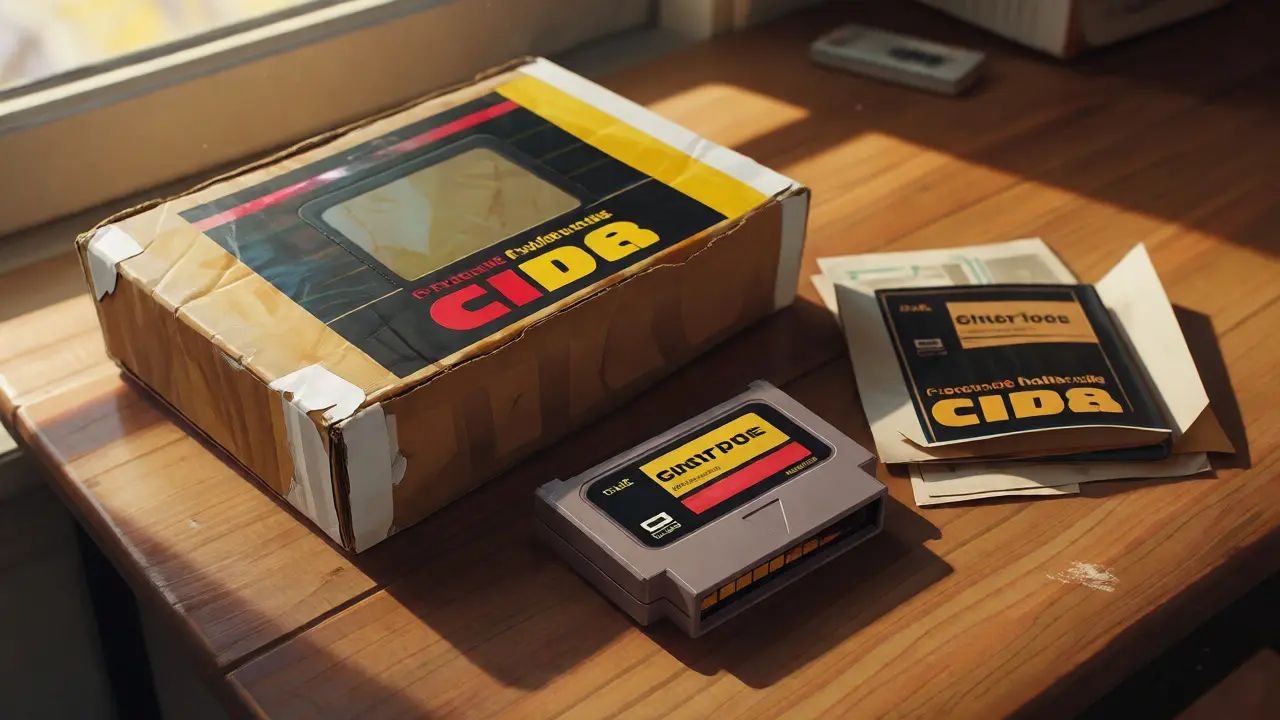
If you’re bidding on complete-in-box (CIB) sets, the box itself is half the battle. Sellers often photograph the front cover beautifully while hiding the back flap damage. In your reading strategy, hunt for keywords like "spine crease," "corner wear," or "flap separation."
The Spine is the most vulnerable part of a game box. Over time, gravity pulls the contents down, causing the spine to split. A "tight spine" is rare and valuable. If the report says "minor spine separation," expect the box to open easily without force. This affects display quality. Serious collectors avoid separated spines unless the discount is massive.
Check the Corners. Box corners take the brunt of storage damage. Terms like "dented," "bent," or "white tips" indicate impact. White tips occur when the printed ink chips away, revealing the gray cardboard underneath. Even one small white tip can downgrade a box from Near Mint to Very Good. If the report doesn’t mention corners, zoom in on every photo. If you still can’t see them, email the seller. Ask specifically: "Are there any white tips on the corners?"
Manuals and Inserts get overlooked, but they matter. Missing a map in The Legend of Zelda or a code sheet in Final Fantasy VII drastically reduces completeness. Condition reports should list these explicitly. If it says "manual included," check if it’s "complete" or "pages only." Sometimes pages are detached or torn. For rare Japanese imports, even a missing obi-strip (the side banner) can cut value by 30%.
Digital vs. Physical: Reading Online Catalogs
Most auctions happen online now. You never touch the item before bidding. This makes the catalog’s text and images your only truth. Here’s how to spot dishonesty in a digital listing.
First, look for Lighting Tricks. Sellers love using bright flash photography to hide scratches. A glossy case under direct light can reflect glare, masking surface abrasions. If the photos are overly bright or blurry, assume the worst. Request additional shots taken in natural light or at an angle. If they refuse, walk away. Honest sellers want transparency.
Second, watch for Vague Language. Phrases like "great condition," "player grade," or "as-is" are escape hatches. "As-is" usually means "I know it’s broken, but I won’t fix it." "Player grade" often hides functional issues. Avoid listings that lack specific defect descriptions. A good report lists flaws upfront: "small crack on bottom right," "faded title logo," "sticky button." Vagueness equals risk.
Third, verify Authenticity Markers. For high-value games, look for references to authenticity checks. Did they verify the ROM chip? Did they check the serial number against known batches? Some fake carts use real shells with cloned boards. A detailed condition report from a reputable auction house will mention internal inspection results. eBay sellers might not, so rely on community knowledge or third-party verification services.
Common Red Flags in Auction Listings
Even with a detailed report, certain patterns signal trouble. Recognizing these saves you from overpaying.
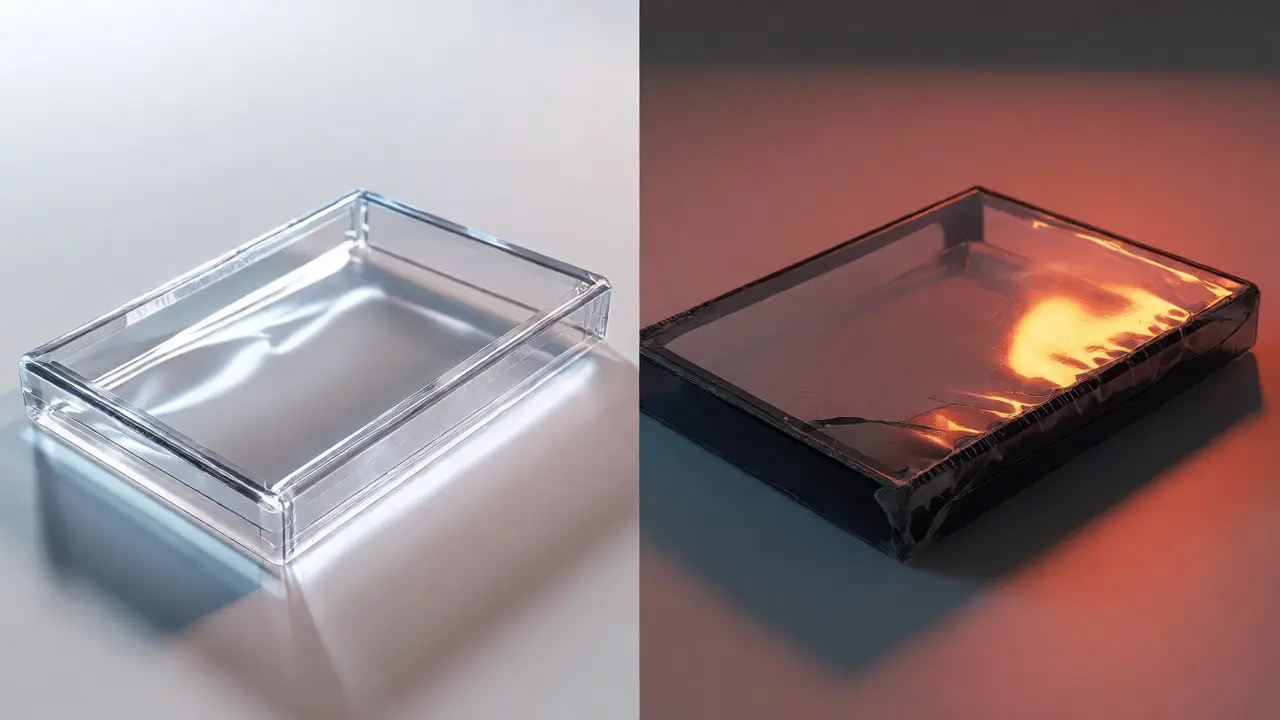
- "Sealed" Without Proof: Just because a game has shrink wrap doesn’t mean it’s unopened. Resealing is easy. Look for signs of heat gun use: uneven wrinkles, thick seams, or double-layered plastic. If the report says "factory sealed," ask for close-ups of the seam. Professional reseals often leave a visible ridge.
- Missing Photos of Back/Bottom: Sellers rarely show the bottom of the cartridge or the back of the box. That’s where damage hides. If photos are limited to the front, assume defects exist elsewhere.
- Inconsistent Grading: If a seller rates their own item 9.5 but uses casual language like "pretty good," distrust the grade. Self-graded items are notoriously inflated. Trust third-party graded slabs (like Wata) more than seller estimates.
- "Restored" Ambiguity: Restoration can mean anything from cleaning contacts to replacing the entire shell. Ask for specifics. Did they replace the label? Paint the shell? Replace screws? Non-original parts reduce collector appeal, even if the game plays perfectly.
Pro Tips for Bidding Success
Once you’ve decoded the report, how do you act? Start by setting a maximum bid based on recent sold comps, not asking prices. Use sites like PriceCharting or Heritage Auctions archives to find what similar grades sold for last month. Adjust for condition nuances: a 9.0 with minor yellowing sells lower than a 9.0 with perfect color.
Always account for shipping risks. Video games are fragile. A well-packed cartridge survives transit, but poor packaging cracks cases. Check the seller’s feedback for comments on packing quality. If they use bubble wrap and rigid boxes, great. If they toss it in a padded envelope, add $20 to your risk buffer.
Finally, trust your gut. If a deal feels too good, it’s likely hiding a flaw. If the condition report is thorough and honest, even a flawed item can be a steal. Knowledge turns a gamble into an investment.
What is the difference between VGA and Wata grading?
VGA (Video Game Authority) and Wata Games are two leading third-party grading companies. Both use a 1-10 scale, but their criteria differ slightly. VGA tends to be stricter on visual aesthetics like label centering and shell color consistency. Wata focuses heavily on structural integrity and authenticity. Generally, Wata grades command higher premiums in the current market due to brand recognition, but always compare specific notes in the slab rather than just the number.
Does yellowing automatically ruin a game's value?
Not necessarily. Mild yellowing is expected in many vintage games and is often accepted by players and mid-tier collectors. However, severe yellowing or uneven discoloration lowers the grade significantly. Some collectors prefer original yellowing over restored (bleached) shells because restoration involves chemicals that can weaken the plastic. Context matters: for ultra-rare titles, buyers may pay full price despite yellowing; for common titles, it’s a major deduction.
How can I tell if a game has been resealed?
Look closely at the shrink wrap seam. Factory seals are tight, uniform, and often have a specific manufacturer stamp. Resealed games frequently show thicker plastic layers, uneven wrinkles, or a distinct ridge along the seam. Heat guns used for resealing can also warp the box slightly or leave burn marks on the cardboard. If possible, shine a light through the wrap to check for air bubbles or double layers.
Should I buy loose cartridges or CIB (Complete in Box)?
It depends on your goal. Loose cartridges are cheaper and easier to store, making them ideal for players or budget-conscious collectors. CIB sets hold value better long-term and appeal to serious collectors who display their games. If you plan to resell later, CIB in high grade offers better ROI. If you just want to play, loose is sufficient, provided the contacts are clean and the shell is intact.
What does "Player Grade" mean in a condition report?
"Player Grade" typically indicates the game works perfectly but shows significant cosmetic wear. Expect scratched cases, faded labels, or yellowed plastic. It’s not suitable for display or investment but is perfect for actual gameplay. Sellers use this term to manage expectations for lower-priced items. Always verify functionality separately, as "Player Grade" doesn’t guarantee the game boots correctly unless stated.