
You found a sealed copy of Final Fantasy VII for the PS1 at a garage sale for five bucks. You sold it online two weeks later for $450. That’s a great win. But what happens when you find ten of them? Or fifty? Suddenly, your living room looks like a warehouse, and you have no idea which copies are worth keeping, which ones need cleaning, or how many you actually own. This is where most flippers hit a wall. They make money on individual sales but lose their mind-and their profit margin-on logistics.
Scaling video game flipping isn't just about finding more deals; it's about managing the chaos that comes with volume. Without a solid system, you're not running a business; you're hoarding plastic. The difference between a hobbyist making side cash and a pro making full-time income often comes down to one thing: an efficient inventory system. Let’s break down how to build one that saves you time, reduces errors, and helps you spot trends before they burn out.
Why Manual Tracking Kills Your Profit Margins
Think back to your first few flips. You probably used a notebook, a spreadsheet, or just your memory. "I think I have three Mario Kart copies," you’d say. Then you spend forty-five minutes digging through boxes to confirm. Time is money in flipping. If you’re spending more time looking for stock than selling it, you’re bleeding profit.
Manual tracking fails at scale for three specific reasons:
- Opportunity Cost: Every hour spent searching for an item is an hour you aren’t sourcing new stock or listing existing items.
- Data Blindness: You can’t analyze what’s working if you don’t know exactly what you bought, when, and for how much.
- Error Rates: It’s easy to list an item twice because you forgot you already had it in a box labeled "PS2 Misc." Double listings lead to canceled orders and angry customers.
A proper inventory system turns these liabilities into assets. It gives you real-time visibility into your stock levels, cost basis, and sell-through rates. When you know exactly what you have, you can price aggressively without fear of losing money, and you can restock popular titles instantly.
Choosing the Right Tech Stack for Your Volume
Not every flipper needs enterprise-level software. If you’re doing fewer than 50 sales a month, a well-structured spreadsheet might suffice. But once you cross that threshold, specialized tools become non-negotiable. The goal is to reduce manual data entry to near zero.
| Tool Type | Best For | Key Feature | Cost Estimate (Monthly) |
|---|---|---|---|
| Spreadsheet (Excel/Sheets) | Beginners (<50 items/month) | Customizable formulas for ROI | $0 - $10 |
| Dedicated Reseller Apps (e.g., List Perfectly, Vendoo) | Mid-Level (50-500 items/month) | Cross-listing to eBay, Mercari, Facebook Marketplace | $30 - $80 |
| POS Systems with Inventory (e.g., Square, Shopify POS) | Hybrid Sellers (Online + Local) | Real-time sync across channels | $29 - $79+ |
| ERP Lite (e.g., Zoho Inventory) | High Volume (>500 items/month) | Bulk actions, supplier management, detailed analytics | $50 - $150+ |
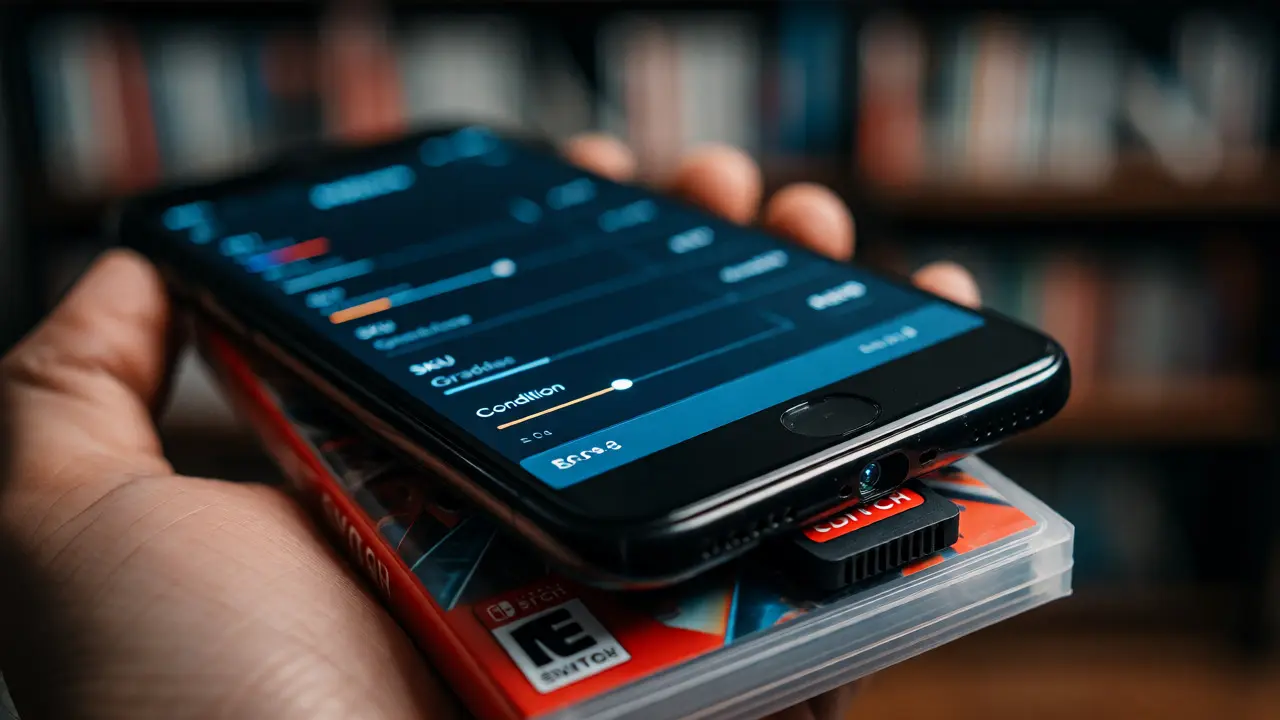
For most independent flippers, dedicated reseller apps offer the best balance. These platforms allow you to scan a barcode using your phone, pull up product details automatically, and push listings to multiple marketplaces simultaneously. This automation is critical. Imagine scanning a Nintendo Switch cartridge, having the app auto-fill the title, platform, and condition notes, and then posting it to eBay and Mercari with one click. That process takes seconds instead of minutes.
The Anatomy of a Scalable Database Entry
Having a tool is useless if you input garbage data. A scalable inventory record needs specific fields to be actionable. Don’t just type "Zelda" in the name column. Structure your data so you can query it later.
Every item in your database should include these core attributes:
- SKU (Stock Keeping Unit): Create a unique code for every single unit. Even if you have five copies of the same game, each needs its own SKU if conditions vary (e.g., scratched disc vs. pristine). Use a format like
PS1-FF7-001. - Acquisition Date & Source: Knowing you bought this from a thrift store in Portland last Tuesday helps you track which sources yield the best margins.
- Cost Basis: Include the purchase price plus any direct costs (cleaning supplies, shipping to get it home). This is vital for accurate profit calculations.
- Condition Grade: Be strict. Define what "Good" means versus "Like New." Consistency here prevents returns.
- Location Bin: Where is it physically? "Shelf B, Box 4" is better than "In the closet." As you scale, physical organization becomes digital organization.
When you structure data this way, you can run queries like: "Show me all PlayStation 2 games bought from Goodwill in September with a profit margin over 200%." That insight tells you exactly where to focus your sourcing efforts next month.
Physical Organization: The Shelf-Life Strategy
Your digital inventory mirrors your physical reality. If your shelves are chaotic, your software will lie to you. Scaling requires a physical layout that supports fast picking and packing.
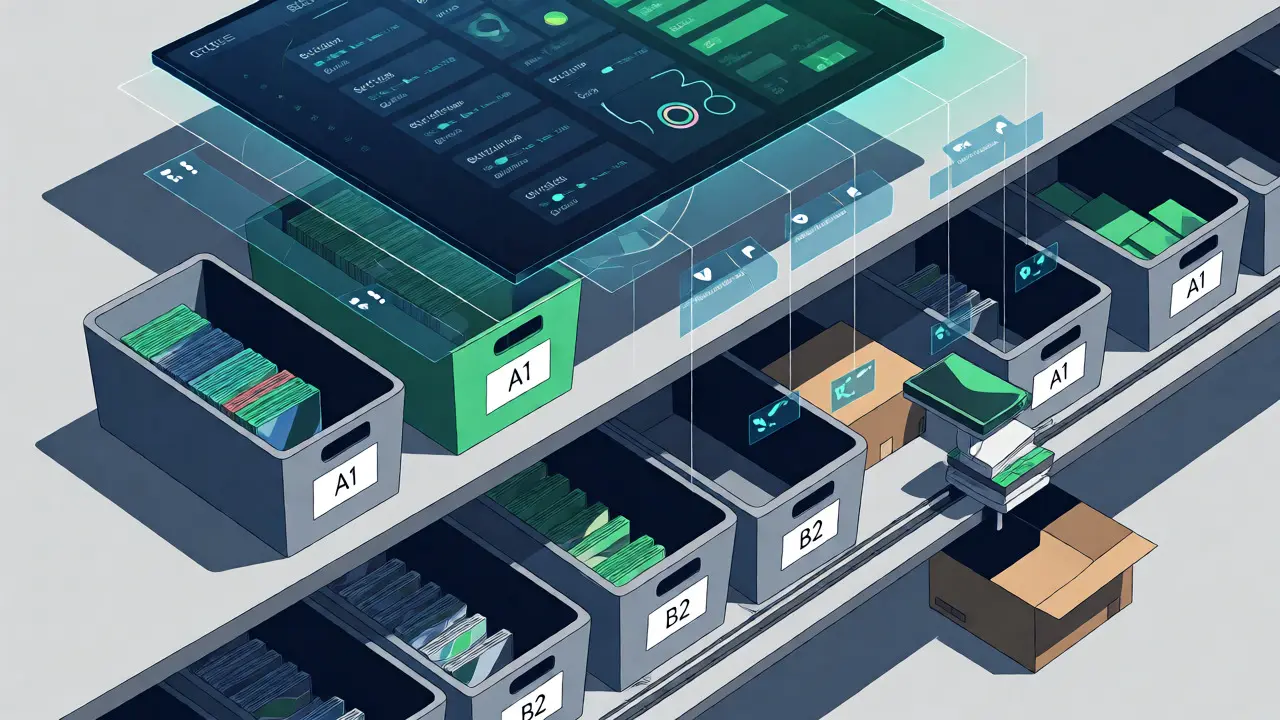
Most successful flippers use a bin-based system. Here’s a proven approach:
- Categorize by Platform First: Separate Nintendo, Sony, Microsoft, and PC games. Mixing them slows down search time.
- Sort by Value Tier Within Platforms: Keep high-value items (sealed, rare) in secure, easily accessible bins. Low-value bulk items can go in larger, less organized containers.
- Use Labeling Aggressively: Every bin gets a label matching your digital location field. If your app says "Bin A1," there must be a physical tag saying "A1." No exceptions.
- Create a 'Processing' Zone: Have a dedicated area for items that have been sold but not yet shipped. This prevents double-selling while you wait for packaging materials.
This setup reduces pick time significantly. When an order comes in, you don’t wander around guessing. You look at the SKU, see the bin location, walk straight to it, grab the item, and pack it. Speed equals throughput, and throughput equals revenue.
Analyzing Sell-Through Rates to Optimize Cash Flow
Inventory sitting on shelves is dead capital. In video game flipping, trends move fast. A game that was hot during a console launch might drop 40% in value six months later. Your inventory system should alert you to aging stock.
Track your Sell-Through Rate (STR). This metric calculates the percentage of available units sold within a specific period. A healthy STR for common games might be 10-15% per month. For rare items, it could be lower, but the margin should compensate.
If a specific title has an STR below 5% after 60 days, take action:
- Reprice: Drop the price slightly to test elasticity.
- Bundling: Pair slow movers with popular items to increase perceived value.
- Liquidate: If it’s unlikely to sell soon, sell it to a competitor or local shop to free up cash for faster-moving stock.
Automated alerts in your inventory software can flag these items for you. Instead of manually checking hundreds of listings, let the system tell you which ten games are costing you money by gathering dust.
Integrating Sourcing with Inventory Data
The final piece of the puzzle is closing the loop between buying and selling. Your inventory history should inform your purchasing decisions. Are you consistently making money on Xbox 360 exclusives? Buy more. Are Wii Sports bundles sitting unsold for months? Stop buying them.
Use your data to create a "Buy List." This is a dynamic document updated weekly based on current inventory gaps and market trends. For example, if your data shows that Elden Ring DLCs are selling within 48 hours of listing, prioritize hunting for those specific SKUs. Conversely, if standard editions of older AAA titles are taking 90+ days to sell, deprioritize them unless you find them for pennies.
This feedback loop transforms flipping from reactive scavenging to proactive investing. You’re no longer hoping to find gold; you’re strategically acquiring known winners based on hard evidence from your own sales history.
Frequently Asked Questions
Do I really need a barcode scanner for video game flipping?
Yes, if you plan to scale beyond casual flipping. Most modern games have UPC barcodes on the case. Scanning them eliminates manual typing errors and speeds up listing creation by 80%. Many smartphone apps now support camera-based scanning, which is nearly as fast as handheld scanners for small-to-medium volumes.
How do I handle items without barcodes, like loose cartridges or imports?
Create custom SKUs for these items. Assign a unique internal ID and manually enter the key details (Title, Platform, Region). Some advanced systems allow you to link these custom items to existing database entries via fuzzy matching, but usually, manual entry is required. Just ensure you photograph them clearly since visual verification is harder without a standard product page.
What is the biggest mistake flippers make with inventory systems?
The biggest mistake is inconsistent updating. If you sell an item on Facebook Marketplace but forget to mark it as sold in your main inventory system, you risk overselling. Always update your central database immediately upon sale, regardless of the platform. Automations can help, but human discipline is still key.
Should I separate my personal collection from my flipping inventory?
Absolutely. Mixing personal favorites with stock leads to accidental sales of sentimental items and skewed financial data. Keep personal collections in a different physical space and exclude them from your commercial inventory database entirely. If you decide to sell a personal item, add it to the system only when you are ready to list it.
How often should I audit my physical inventory against my digital records?
Perform a full audit quarterly, but do spot checks weekly. Randomly select ten bins and verify the contents match your digital counts. This keeps discrepancies low. If you find frequent mismatches, investigate whether your labeling system is confusing or if staff/processes are skipping updates.