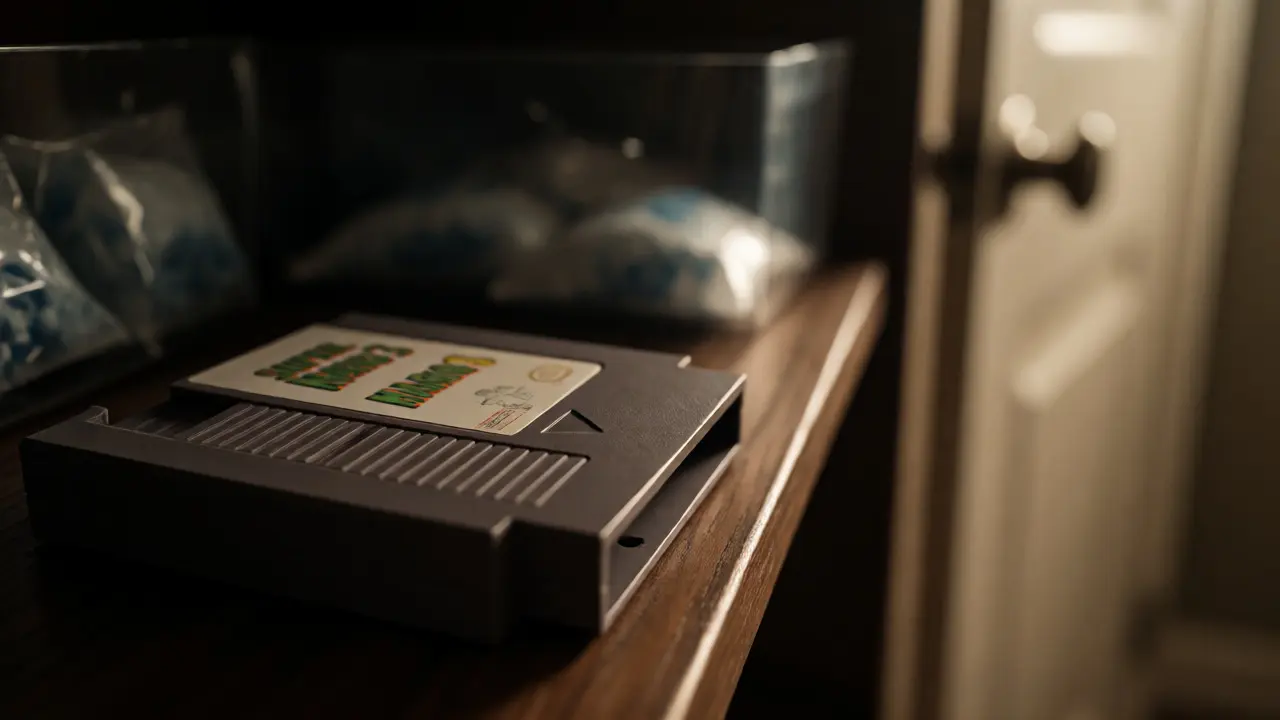
You spent hours hunting down that pristine copy of Super Mario Bros. 3 for your NES. You checked the label, verified the seal, and maybe even paid a premium for it to be in "mint" condition. But if you tossed it into a cardboard box in your attic or left it on a shelf near a sunny window, you might already be killing it slowly. The enemy isn't just bad handling; it's invisible. It’s the fluctuating air around it.
Retro video game preservation is less about locking things away and more about understanding the chemistry of old plastic and paper. Cartridges from the 80s and 90s are made of materials that react violently to heat and moisture. If you want these games to survive another thirty years, you need to treat them like archival documents, not just toys. Here is how you actually do it without turning your closet into a laboratory.
The Chemistry of Decay: Why Your Games Are Dying
Most retro cartridges use ABS plastic for their shells and PCB boards with surface-mounted components. Over time, the plasticizers in ABS plastic evaporate, making the case brittle. This process accelerates dramatically with heat. A room at 85°F (29°C) causes chemical degradation twice as fast as a room at 70°F (21°C). That’s the Arrhenius equation in action, though you don’t need the math to see the results: cracked cases, warped labels, and failing save batteries.
Humidity is the other killer. Paper inserts and cardstock boxes absorb moisture. When relative humidity (RH) spikes above 60%, mold spores wake up. They feed on the sizing agents in paper and the organic compounds in certain plastics. Conversely, if RH drops below 30%, paper becomes brittle and cracks when handled. The sweet spot for most vintage media sits between 45% and 55% RH. Staying within this range prevents both biological growth and physical stress.
Setting Up Your Storage Environment
You don’t need a climate-controlled vault. You need stability. The biggest mistake collectors make is focusing only on the average temperature while ignoring fluctuations. Moving from a cold garage to a warm living room causes condensation inside sealed blister packs. That trapped moisture is a death sentence for metal contacts and battery pads.
- Avoid attics and basements: These spaces have extreme temperature swings. Attics get hot in summer; basements stay damp year-round.
- Stay off exterior walls: In Portland, where I live, exterior walls can get cold enough to cause condensation behind bookshelves in winter. Keep games at least two inches away from any wall.
- Use interior closets: An interior bedroom closet offers the most stable environment in most homes. It’s dark, insulated, and shielded from direct sunlight.
If you must store games in a variable environment, use silica gel packets. Not the cheap ones from shoeboxes, but reusable indicator silica gel. Place one packet per storage bin. When the blue crystals turn pink, you know the humidity has spiked, and you need to dry them out in an oven before putting them back.
Material-Specific Risks: Plastics, Paper, and PCBs
Not all parts of a game degrade at the same rate. Understanding what fails first helps you prioritize protection.
| Component | Primary Risk Factor | Optimal Condition | Common Failure Mode |
|---|---|---|---|
| ABS Plastic Cases | Heat & UV Light | < 70°F / No Sunlight | Brittleness, Cracking, Yellowing |
| Paper Inserts | High Humidity (>60%) | 45-55% RH | Mold, Foxing, Warping |
| Lithium Batteries | Heat & Age | Cool & Dry | Leakage, Corrosion, Loss of Save |
| Gold Contacts | Oxidation (Air/Humidity) | Low Oxygen/Low RH | Poor Signal Transmission |
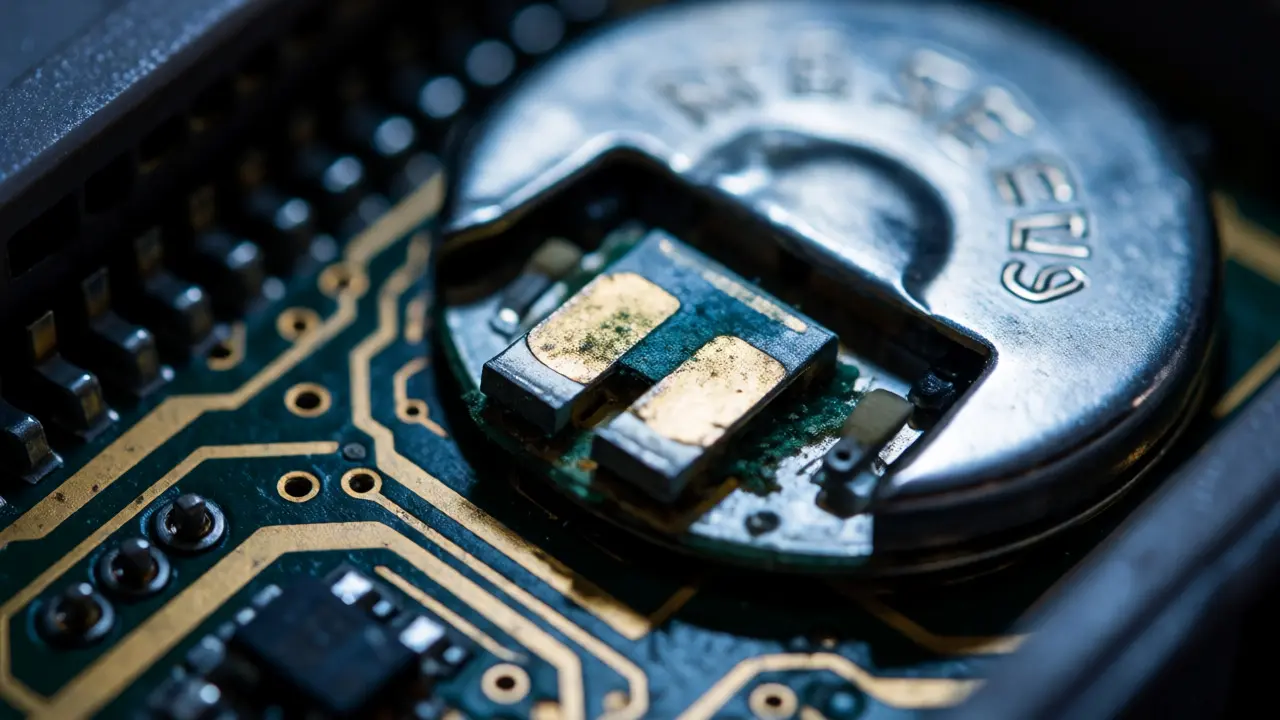
Let’s talk about the PCBs inside SNES and Genesis carts. Many contain lithium coin cells (CR2032 or CR2025) for saving progress. Heat accelerates the electrolyte breakdown inside these batteries. When they leak, the corrosive fluid eats through the circuit board traces. Once the trace is gone, the game is bricked unless you perform microsoldering repairs. Keeping these games cool isn’t just about the plastic; it’s about saving the electronics.
Storage Solutions That Actually Work
Ditch the original cardboard boxes if you’re storing long-term. Cardboard contains lignin, which breaks down into acidic compounds over time. These acids migrate into the paper manuals and discolor plastic cases. Instead, switch to archival-safe materials.
- Acid-Free Sleeves: For loose cartridges, polypropylene sleeves are better than PVC. PVC can off-gas hydrochloric acid, which fogs up clear cases. Polypropylene is inert and safe.
- Archival Boxes: Use buffered cotton rag boxes for collections of loose manuals and cards. These boxes neutralize acids and provide a pH-neutral environment.
- Vertical vs. Horizontal: Store cartridges vertically like books. Do not stack heavy items on top of them. Pressure can warp thin plastic cases or crush the internal connectors over decades.
For boxed sets, especially those with thick instruction booklets, consider removing the manual from the box and placing it in a separate sleeve. Tension from tight packaging can crease pages permanently. If you keep the box, ensure it’s stored flat in a sturdy container to prevent crushing.
Monitoring Your Collection
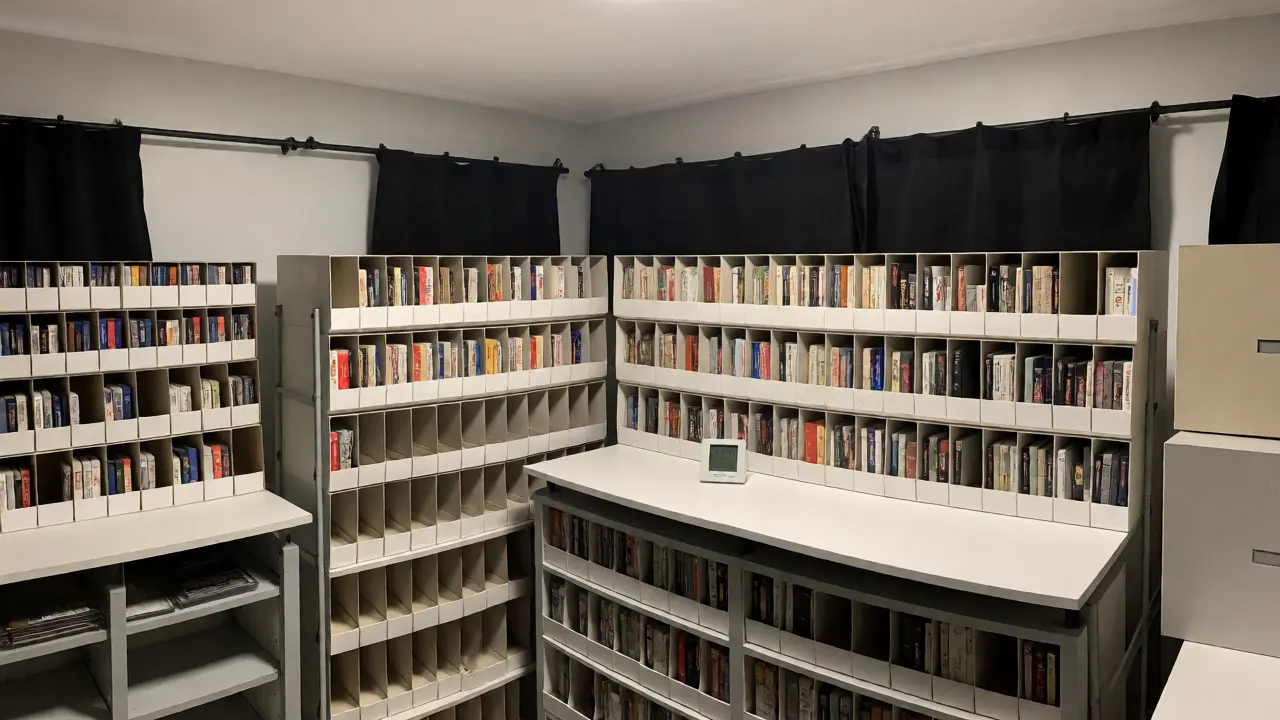
You can’t manage what you don’t measure. Buying a basic digital hygrometer/thermometer costs under $20 and provides peace of mind. Place it in the middle of your collection area, not right next to the door or a vent.
Check the readings monthly. If you see RH climbing above 60% during rainy seasons (common here in the Pacific Northwest), run a dehumidifier in the room. If it drops below 30% during dry winters, a small passive humidifier or even a bowl of water nearby can help buffer the air. Don’t try to force perfect numbers instantly. Rapid changes are worse than slightly imperfect steady states.
Consider using data loggers if you have a high-value collection. Devices like the Govee Home Bluetooth thermometer can send alerts to your phone if conditions drift outside your set parameters. This is particularly useful if you store games in a secondary location like a cabin or office where you aren’t always present.
Handling and Maintenance Protocols
Preservation starts with how you touch the items. Oils from your fingers attract dust and can stain paper over time. Always wash and dry your hands before handling rare items. For extremely valuable pieces, nitrile gloves are a good idea, though many collectors find them clumsy. Just avoid cotton gloves, as fibers can snag on rough paper edges.
Never clean contacts with alcohol unless necessary. Isopropyl alcohol (90%+) is standard, but it can strip protective coatings on some older plastics. Use a soft, anti-static brush to remove dust first. Only wet-clean if there is visible grime. And never, ever use WD-40 or generic lubricants on cartridge slots. They leave residues that gum up the pins and attract more dirt.
Inspect your collection twice a year. Look for white fuzzy spots on paper (mold) or green crusty buildup on battery contacts (corrosion). Catching these early allows for simple remediation-like isolating the item and cleaning it-rather than losing the game entirely.
Is it okay to leave games in their original plastic blister packs?
Yes, but with caution. Blister packs protect against dust and light, but they trap whatever humidity was present when sealed. If you live in a humid climate, check periodically for fogging or mold. Ensure the plastic isn't PVC, which can yellow and stick to the cardboard backing over time.
Should I remove the batteries from my SNES and Genesis games?
If you plan to store them for more than five years without playing, yes. Removing the battery eliminates the risk of leakage destroying the PCB. However, remember to note the save state externally, as removing the battery wipes the memory. For short-term storage, keeping them installed is fine if kept cool.
Does direct sunlight really damage game cases?
Absolutely. UV radiation breaks down polymer chains in plastic, causing yellowing and brittleness. It also fades ink on labels and box art. Even indirect sunlight through a window can accumulate damage over years. Keep your collection in a dark place or use UV-filtering glass if displaying them.
What is the ideal temperature for storing Nintendo 64 cartridges?
N64 cartridges are robust but still suffer from thermal expansion issues. Aim for a consistent 65-70°F (18-21°C). Avoid freezing temperatures, which can crack solder joints, and avoid anything above 80°F (27°C), which accelerates plasticizer loss in the gray N64 shells.
Can I use regular tape to repair torn box flaps?
No. Regular scotch tape yellows and leaves adhesive residue that stains paper. Use archival-quality polyester film tape or wheat starch paste for professional repairs. For casual collectors, leaving the tear alone is often better than applying non-archival tape that will eventually fail and damage the paper further.