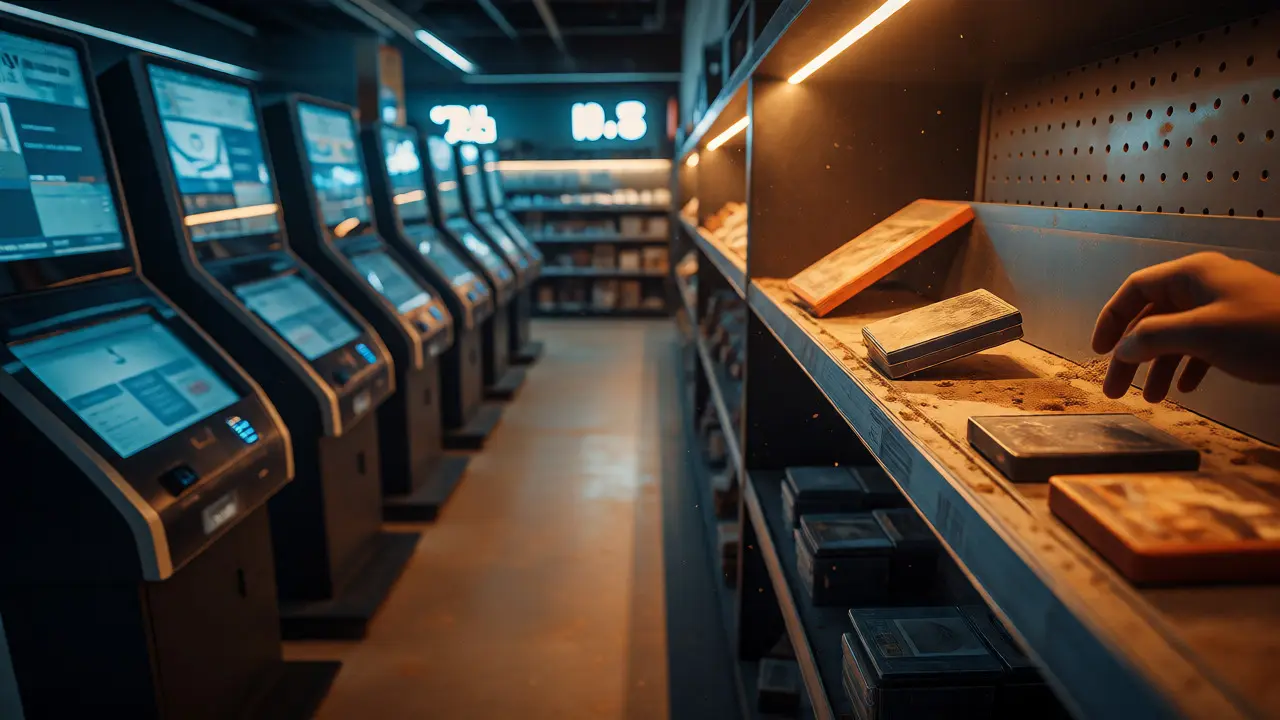
Walk into any major electronics retailer today and you might notice the shelves where rows of plastic cases used to sit are shrinking. Or worse, they’re gone entirely. It’s easy to assume that physical video game media is dying out, replaced by the convenience of instant downloads. But here’s the twist: while mass-market sales of discs and cartridges are dropping, the value of those same items is skyrocketing for collectors. If you’re wondering whether your shelf full of old Nintendo cartridges is worth keeping or if buying new physical copies makes sense in 2026, the answer isn’t as simple as "yes" or "no." It depends on what you want from your games.
The shift from physical to digital has been inevitable since the early 2010s. Why wait in line at a store when you can buy a game at midnight and play it immediately? Steam, PlayStation Store, and Xbox Game Pass have made digital ownership the default for most players. Yet, we’re seeing a counter-movement. People are craving permanence. They want to own their games outright, not rent them through a subscription service that could pull titles tomorrow. This tension between convenience and ownership defines the current landscape.
The Convenience Trap of Digital Ownership
Digital distribution offers unmatched ease. No disc swapping, no scratched surfaces, and no hunting for a box in the attic. However, this convenience comes with a hidden cost: fragility of access. When you buy a digital game, you aren’t really buying the software; you’re buying a license to use it. That license can vanish if the server shuts down or if licensing agreements expire. Remember when Activision pulled certain Call of Duty maps? Or when older MMOs went offline forever? Your library becomes hostage to corporate decisions.
Consider the Nintendo eShop closure for the Wii U and 3DS. Suddenly, thousands of users couldn’t purchase new digital titles for those systems, even though they still owned the hardware. Physical copies, however, kept working just fine. This incident taught many gamers a hard lesson: digital libraries are temporary unless backed up, and even then, legality is murky. For long-term preservation, physical media remains the gold standard because it doesn’t require an internet connection or a company’s continued support.
Why Collectors Are Driving the Market
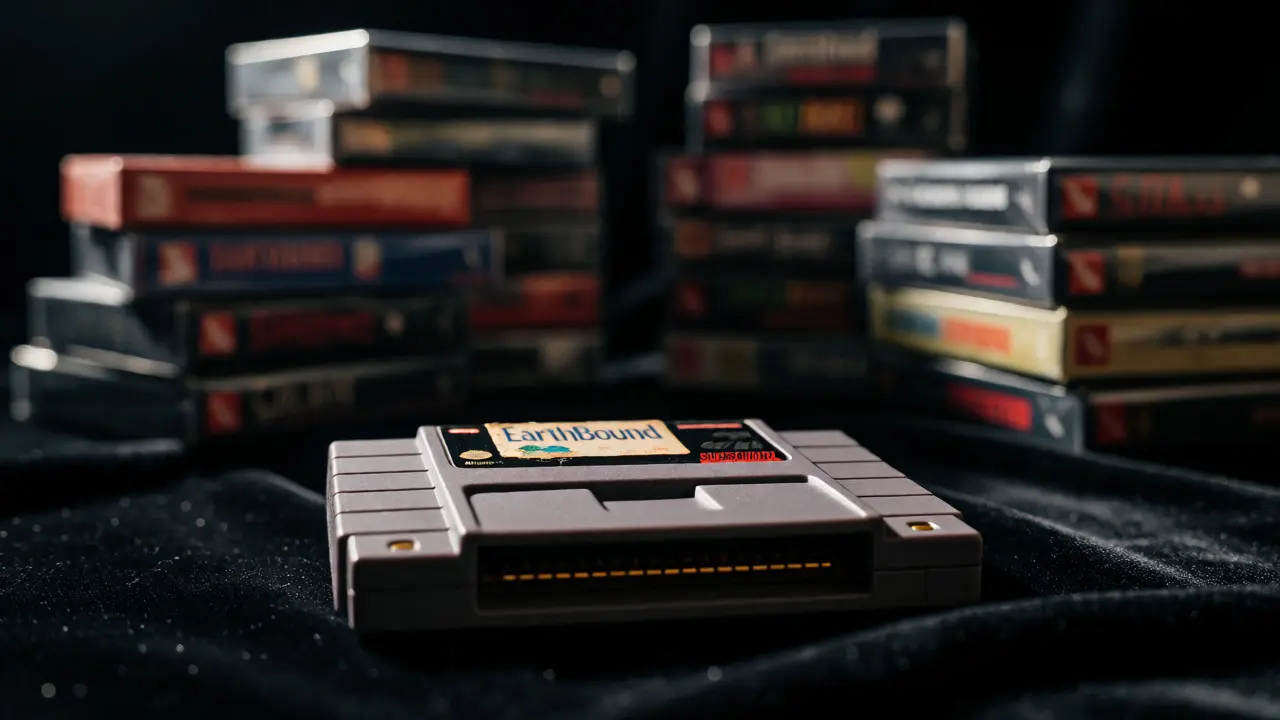
If you look past the mainstream retail decline, you’ll see a booming secondary market. Platforms like eBay, Mercari, and specialized forums show prices for rare titles climbing steadily. Take EarthBound for the Super Nintendo. In the early 2000s, you could find loose copies for under $50. Today, a complete-in-box (CIB) copy can fetch over $500. Why? Scarcity. Nintendo printed fewer copies than they sold, and many were destroyed or lost over time.
This isn’t just nostalgia. It’s investment behavior. As more people enter the hobby, demand for clean, boxed copies of popular franchises like The Legend of Zelda or Final Fantasy increases. Sellers know this. They price accordingly. If you buy a modern AAA title expecting to flip it for profit next year, you’ll likely lose money. Modern games are printed in millions. But if you buy a niche indie title or a limited edition run, you might hold something valuable in five years.
Publishers’ Mixed Signals on Physical Media
Major publishers haven’t fully abandoned physical formats, but they’ve changed how they treat them. Sony and Microsoft still release discs, often bundled with steelbooks or exclusive art. These special editions cater specifically to collectors who want display pieces. Meanwhile, Nintendo continues to support physical cartridges for its hybrid console, the Switch, recognizing that a significant portion of its audience prefers tangible goods.
However, PC gaming has largely moved digital-only. Steam dominates, and physical PC games are mostly novelty items now. You’ll rarely find a new PC title in a box unless it’s a collector’s edition priced at $100+. This divergence creates two distinct markets: consoles retain a healthy physical ecosystem, while PCs are almost entirely digital. Understanding which platform you play on matters for your strategy.
| Feature | Digital Games | Physical Games |
|---|---|---|
| Convenience | High - instant access, no swaps | Low - requires handling and storage |
| Resale Value | None - tied to account | High - sellable on open market |
| Preservation Risk | Medium/High - server shutdowns | Low - works without internet |
| Price Stability | Volatile - frequent sales | Stable - driven by rarity |
The Role of Preservation Communities
While corporations focus on profits, grassroots communities focus on history. Groups dedicated to video game preservation work tirelessly to archive code, manuals, and packaging. Organizations like the Video Game History Foundation rely on donations of physical media to restore lost games. Without these tangible artifacts, much of gaming history would disappear.
These communities also influence pricing. When a preservationist highlights a rare prototype or a region-specific release, interest spikes. For example, Japanese-only releases of RPGs often see price jumps after English translations are announced. Collectors rush to secure originals before supply dries up. Being part of these online circles gives you insights into which titles are gaining traction before the general public catches on.
Strategic Buying Tips for 2026
So, should you buy physical or go digital? Here’s a practical approach based on your goals:
- For Casual Players: Stick to digital. The convenience outweighs the benefits of owning a case you’ll never open again. Wait for sales on Steam or PlayStation Network.
- For Completionists: Buy physical only if you plan to resell. Track prices on PriceCharting.com before purchasing. If the game is already cheap, buy digital to save space.
- For Investors: Focus on sealed, first-print runs of popular franchises. Avoid common titles. Look for regional exclusives or limited editions.
- For Archivists: Prioritize completeness. A game without its manual or box loses significant value. Condition matters more than age.
One pitfall to avoid: assuming all old games are valuable. Most 1990s titles are abundant. Finding a copy of Sonic the Hedgehog won’t make you rich. But finding a sealed copy of Super Mario Bros. might. Research is key. Check completed listings on eBay to see actual selling prices, not just asking prices.
The Future: Hybrid Models and Cloud Gaming
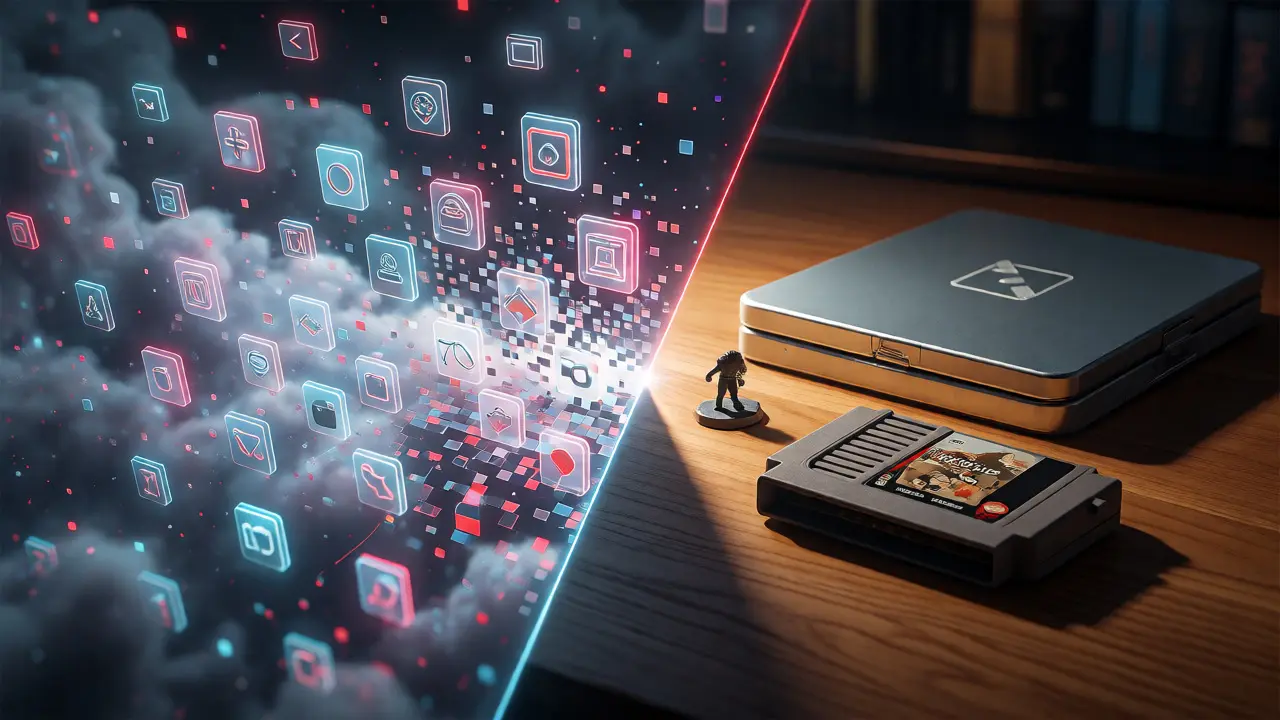
Looking ahead, cloud gaming services like Xbox Cloud Gaming and GeForce Now threaten both physical and local digital models. If you stream games from a server, do you need a disc? Probably not. But cloud services require stable high-speed internet, which isn’t universal yet. Until latency issues vanish completely, local execution-whether via disc or downloaded file-remains superior for performance-sensitive genres like fighting games or shooters.
We might see a return to hybrid models. Imagine buying a digital license that includes a small, collectible token-a mini-figure or card-that grants access to exclusive content. This keeps the physical element alive as a status symbol rather than a functional necessity. Publishers are already experimenting with this in board games and tabletop RPGs; gaming will likely follow suit.
Key Takeaways
- Digital dominance is real: Most new purchases are digital due to convenience.
- Physical holds value: Rare and well-preserved physical copies appreciate over time.
- Ownership differs: Digital licenses can be revoked; physical copies are yours forever.
- Research before investing: Not every old game is worth money; scarcity drives price.
- Preservation matters: Physical media ensures games survive beyond corporate lifecycles.
Are physical video games still worth buying?
Yes, if you care about resale value, preservation, or collecting. For pure convenience, digital is better. Physical copies allow you to lend games, sell them later, and keep them independent of server shutdowns.
Which consoles still support physical media?
As of late 2026, the PlayStation 5, Xbox Series X/S, and Nintendo Switch all support physical discs or cartridges. The PS5 Digital Edition and Xbox Series S are exceptions, offering only digital versions.
How do I determine if my old games are valuable?
Check completed sales on eBay or specialized sites like PriceCharting. Look for factors like condition, completeness (box/manual), and print run size. Common titles usually sell for $5-$20, while rare ones can reach hundreds or thousands.
Will cloud gaming kill physical media?
Unlikely in the short term. Cloud gaming faces latency and infrastructure hurdles. Physical media serves a different market: collectors and those wanting guaranteed offline access. Both will likely coexist for decades.
What is the biggest risk of digital game libraries?
License revocation. If a publisher loses rights to music, characters, or engines, they may remove games from stores or disable features. Physical copies generally remain playable regardless of licensing changes.