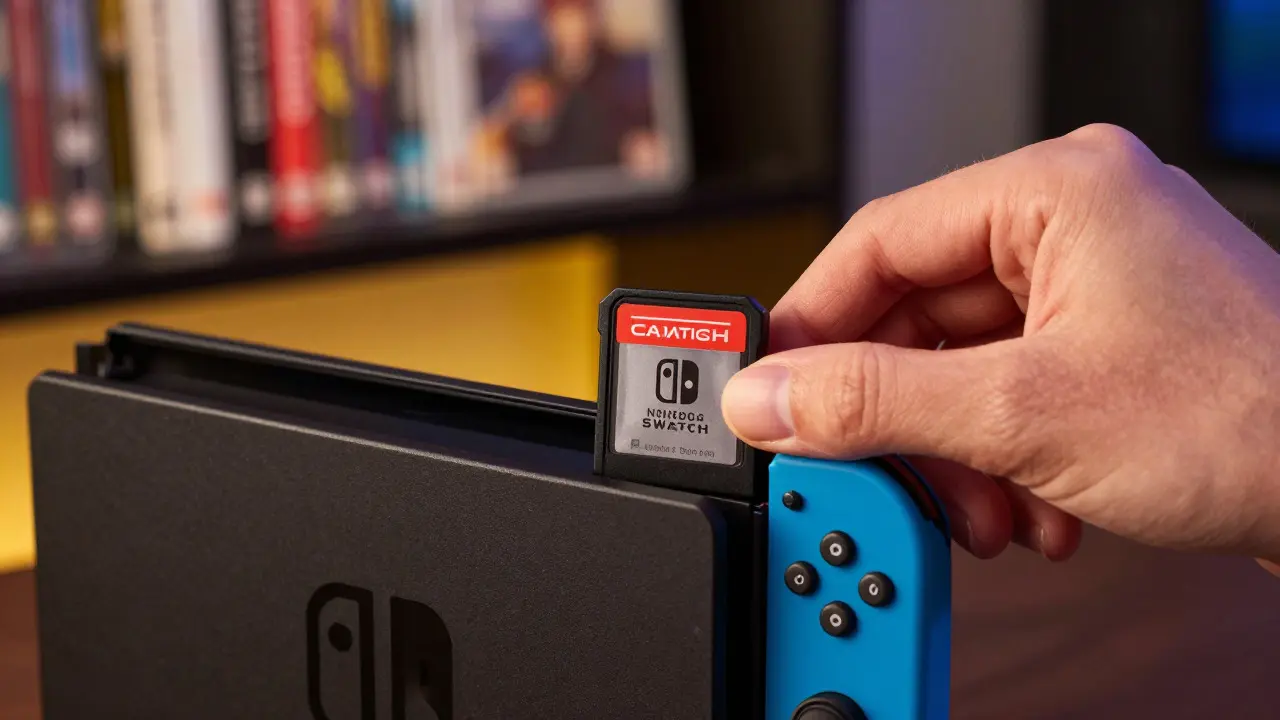
There is a specific thrill that digital downloads just can't replicate: the tactile click of a cartridge slotting into your console. For Nintendo Switch owners who treat their library as a collection rather than just a utility, the hunt for physical media including limited editions, steelbooks, and special reprints has become a hobby in itself. But navigating this market in 2026 requires more than just luck; it demands an understanding of release patterns, condition grading, and where to find hidden gems before they disappear.
This guide breaks down how to build a valuable and visually striking Switch collection without breaking the bank or losing your mind to scalpers. We will look at what actually drives value, how to spot authentic limited runs, and why that shiny steel case might be worth more (or less) than you think.
Why Physical Media Still Matters in 2026
You might wonder why anyone still buys cartridges when eShop sales are constant. The answer lies in permanence and display. Digital files can vanish if Nintendo shuts down servers or if you lose account access. A physical cartridge, however, is yours forever. It sits on a shelf, catches the light, and sparks conversation. In the current landscape, Game Cartridge collecting has matured from a niche retro trend into a mainstream hobby, with dedicated communities tracking every variant release.
The aesthetic appeal is huge. Modern packaging design, especially for first-party titles, often features exclusive artwork not seen in the digital version. For collectors, the box art is part of the product. If you are building a shelf display, consistency in spine width and box quality matters. Standard plastic cases are uniform, but limited editions introduce unique textures, colors, and materials that break up the monotony of a standard black-and-white lineup.
Understanding Limited Editions and Special Packs
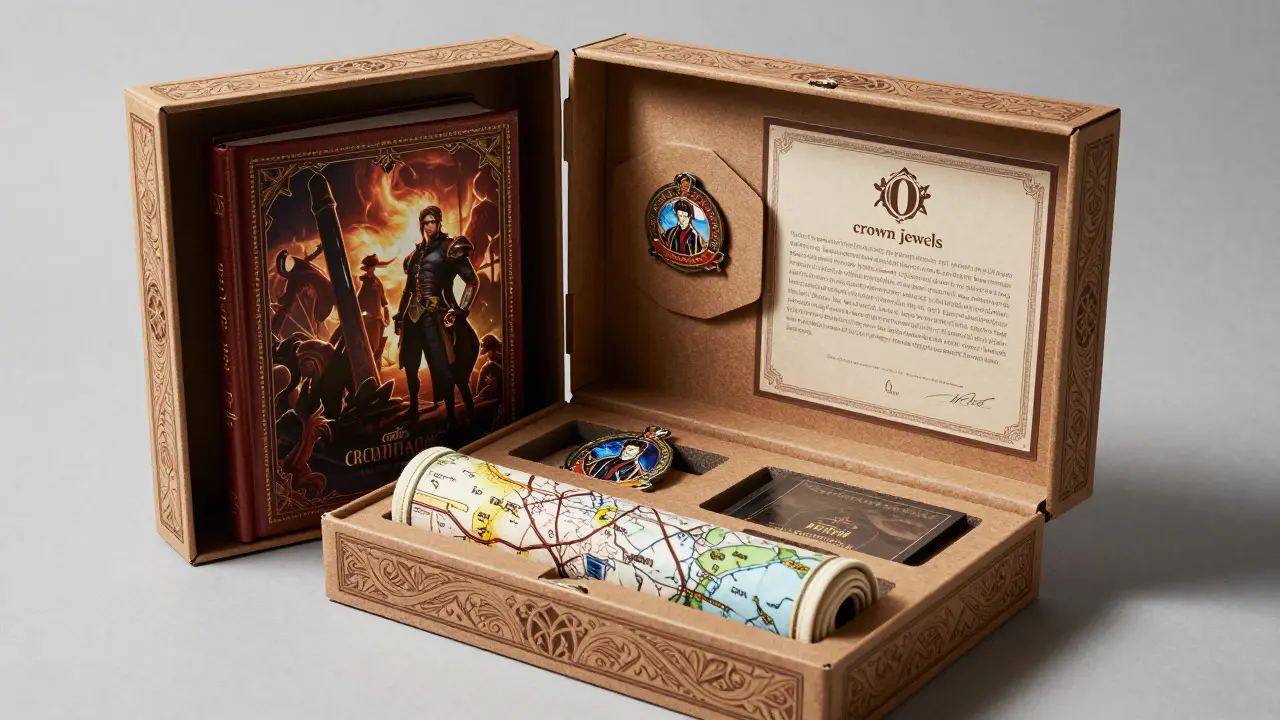
Limited editions are the crown jewels of any Switch collection. These aren't just regular boxes with a sticker slapped on them. They usually include extra content like art books, soundtracks, metal badges, or exclusive in-game skins. However, "limited" is a relative term. Some releases are capped at 10,000 units globally, while others are simply "exclusive to launch day" or "available only in certain regions."
Here is how to identify high-value limited editions:
- Numbered Certificates: Games like Zelda: Tears of the Kingdom Collector's Edition came with numbered certificates. Lower numbers generally hold higher resale value, though the difference between #100 and #500 is negligible compared to #1 vs #10.
- Exclusive Merchandise: Look for packs that include tangible items beyond the game. Metal keychains, enamel pins, and cloth maps add significant value because they cannot be reproduced easily by third parties.
- Region Exclusives: Japanese limited editions often feature different packaging designs and bonus content not available in North America or Europe. This creates a cross-border demand that can inflate prices significantly.
A pro tip: always check the back of the box for the exact SKU number. This helps you verify authenticity later. Fake limited editions are rare but do exist, usually involving repackaged standard copies with added stickers. Buying from authorized retailers or reputable collectors reduces this risk.
The Allure of Steelbooks: Worth the Hype?
Steelbook releases have become a staple in the gaming world, moving from PlayStation exclusivity to becoming a multi-platform format. On the Switch, steelbooks offer a premium, metallic finish that looks fantastic on a shelf. But are they better than standard plastic cases? Functionally, no. They are heavier, harder to open repeatedly, and prone to scratching if not handled carefully. Aesthetically, yes, they are superior.
The value of a steelbook depends entirely on its rarity. Early Switch steelbooks, such as the original Super Mario Odyssey or Mario Kart 8 Deluxe variants, are now considered mid-tier collectibles. Prices have stabilized because Nintendo produced large quantities. However, newer titles or those with unique color schemes (like translucent or holographic finishes) can command a premium if sold unopened.
When buying steelbooks, condition is everything. A single scratch on the metal surface can drop the value by 30-50%. Always inspect under bright light. Also, note that some steelbooks come in two parts: the front cover and the back cover. If one part is damaged, the whole set loses its 'mint' status. Keep them in protective sleeves to prevent dust and fingerprints.
Navigating Reprints and Restocks
Reprints are the unsung heroes of budget collecting. When a game sells out, publishers often reprint the physical version months or even years later. These reprints usually feature the same game code but may have slightly different box art or minor manufacturing changes. For example, early printings of Animal Crossing: New Horizons had specific font variations that later reprints corrected. While these differences don't massively impact value, they matter to serious collectors.
How do you tell a reprint from an original? Check the copyright date on the bottom of the box. If the date is later than the initial release window, it's likely a reprint. Also, look for batch codes on the cartridge label. Originals often have lower batch numbers. However, unless you are aiming for a museum-grade collection, reprints are perfectly fine for playing and displaying. They are cheaper, easier to find, and function identically.
One major advantage of reprints is availability. During peak holiday seasons, popular titles sell out instantly. Waiting for a reprint can save you hundreds of dollars. Set price alerts on major retail sites and local used game stores. You'll often find reprints sitting in bins at half the cost of sealed originals.
Building Your Collection: Strategy and Storage
Collecting isn't just about buying; it's about curating. Do you want a complete run of every Switch game ever released? Or are you focusing on specific genres, developers, or visual styles? Having a clear goal prevents impulse buys and keeps your shelf organized. A common mistake is buying every shiny object that comes along, leading to a cluttered display that lacks cohesion.
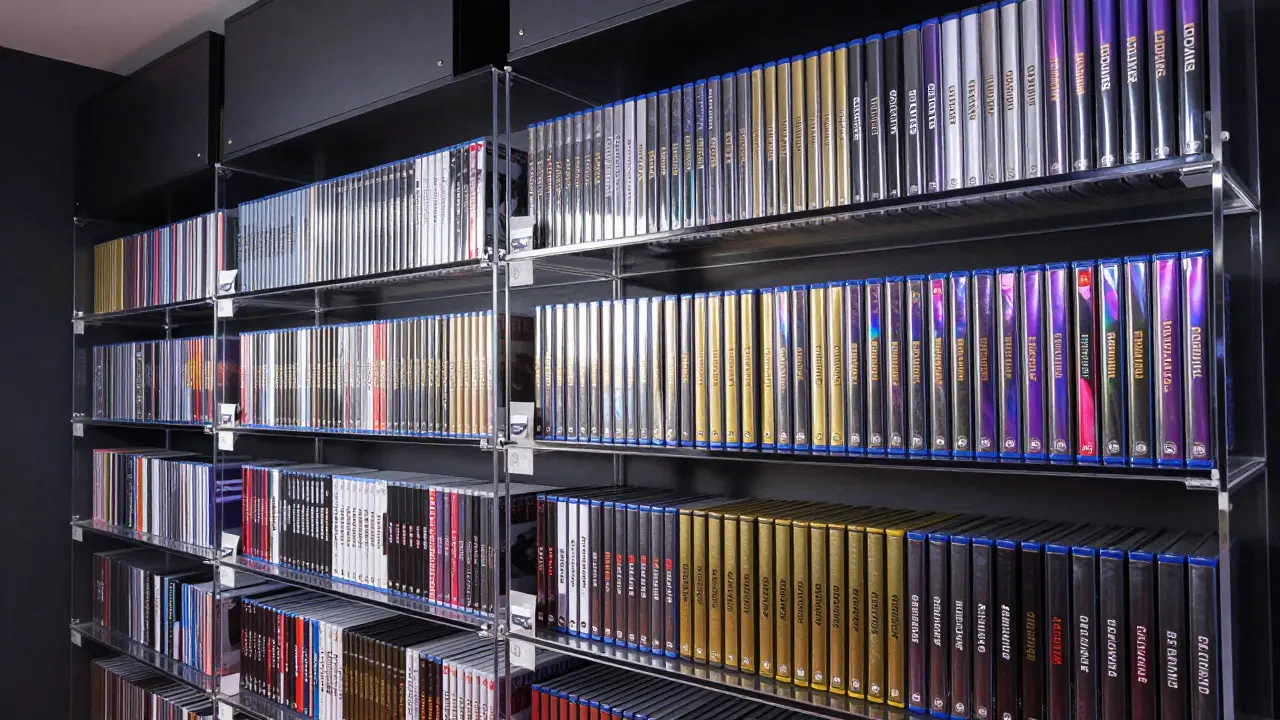
Storage is critical for preserving value. UV light fades box art over time, so keep your collection away from direct sunlight. Humidity causes warping and mold, so use silica gel packets in your storage area. Acrylic display cases are ideal for showcasing limited editions and steelbooks. They protect against dust while allowing full visibility. Avoid using cheap plastic bags long-term, as they can off-gas chemicals that yellow cardboard over years.
Consider creating a digital inventory. Use a spreadsheet or a dedicated app to track each item's purchase date, source, condition, and current market value. This helps you monitor your investment and decide when to sell. Market values fluctuate, especially around new game announcements. A title that was $20 last year might be $40 today due to a sequel announcement. Tracking this data turns your hobby into a manageable asset class.
| Type | Rarity Factor | Resale Potential | Display Appeal | Best For |
|---|---|---|---|---|
| Standard Plastic Case | Low | Stable/Low | Uniform/Clean | Complete sets, budget collectors |
| Limited Edition Box | High | High/Volatile | Unique/Premium | Investment, showcase pieces |
| Steelbook | Medium | Medium | High/Metallic | Aesthetic focus, modern collections |
| Reprint | Very Low | Low | Standard | Playing, filling gaps, budget |
Where to Find Rare Items Without Getting Scammed
The secondary market for Switch collectibles is vast but risky. Online marketplaces are flooded with listings, some legitimate, some deceptive. Always verify seller ratings and ask for multiple photos, including close-ups of the barcode and seal. Be wary of prices that seem too good to be true. If a sealed Breath of the Wild Collector's Edition is listed for $50, it's probably fake or missing contents.
Local options are often underrated. Used game stores, comic shops, and garage sales can yield surprising finds. People often sell entire collections without knowing the value of specific variants. Walk in, browse the shelves, and ask staff if they have any recent arrivals. Building relationships with local store owners can give you early access to high-demand items before they hit online platforms.
For international hunting, consider importing from Japan. Japanese limited editions often feature exclusive artwork and merchandise. Shipping costs can be high, but the unique nature of the items makes them worth it for dedicated collectors. Use a reliable proxy service to handle customs and shipping. Just remember to check import taxes, which can add 10-20% to the final cost.
Frequently Asked Questions
Do Switch limited editions increase in value over time?
Generally, yes, but it varies. First-party Nintendo titles tend to hold value well due to brand loyalty and nostalgia. Third-party limited editions are riskier and may depreciate if the game doesn't perform well commercially. Focus on iconic franchises like Zelda, Mario, and Metroid for the best long-term stability.
Is it better to buy sealed or opened limited editions?
Sealed items command a premium, often 20-40% higher than opened ones. However, opened items let you verify contents immediately. If you trust the seller, sealed is better for resale value. If you want to play the game right away, opened is safer. Always ensure the seal is intact and undamaged if buying sealed.
What should I avoid when storing Switch steelbooks?
Avoid stacking heavy objects on top of steelbooks, as they can dent the metal. Keep them away from extreme temperatures, which can cause the adhesive on the inner card to fail. Store them vertically in a display case or horizontally in a drawer with dividers to prevent sliding and scratching.
Are Japanese Switch games compatible with US consoles?
Yes, the Nintendo Switch is region-free for physical cartridges. You can insert a Japanese game into a US console and play it. However, the language support depends on the game. Many modern titles offer English, but older or smaller indie games might only have Japanese text. Check the language options before buying if you don't read Japanese.
How do I authenticate a fake limited edition box?
Check the printing quality. Fakes often have blurry text or misaligned graphics. Compare the box art to official images online. Look for the correct barcodes and SKUs. If the box feels flimsy or the glue lines are uneven, it's likely a knockoff. When in doubt, buy from authorized retailers or highly rated sellers with verified reviews.