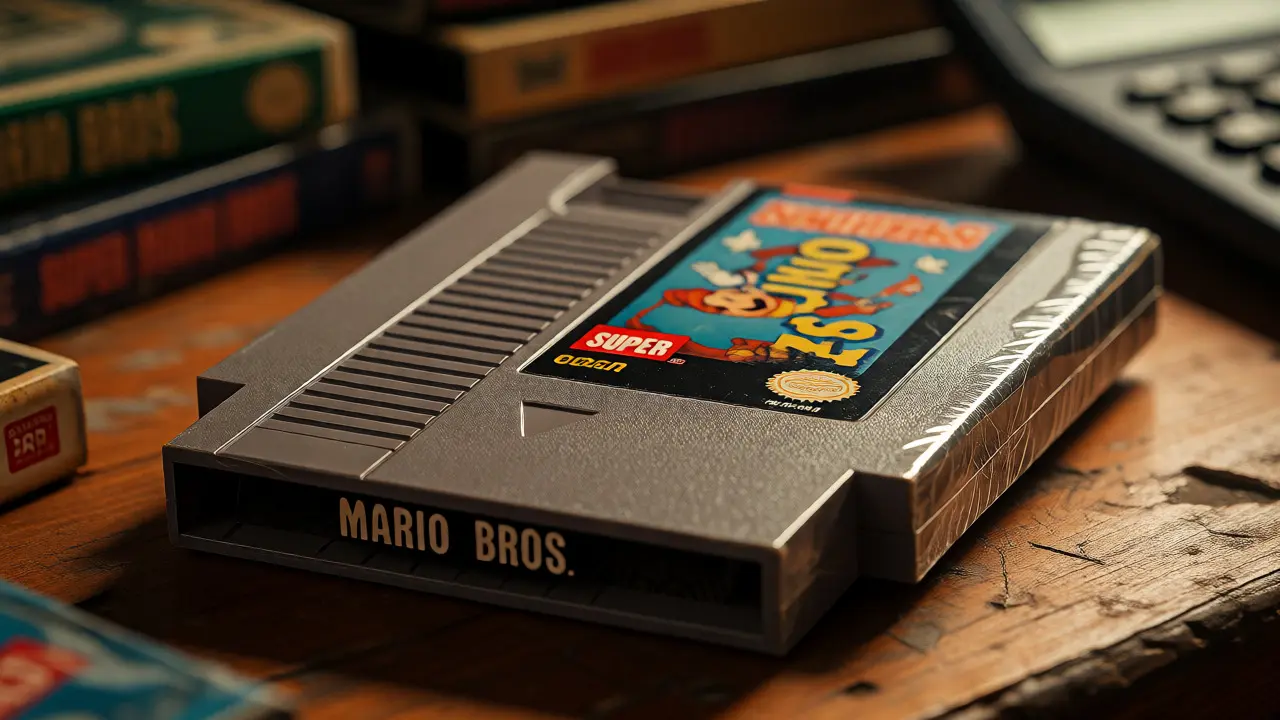
You just sold a sealed copy of Super Mario Bros. for $500 on eBay. You feel great about the profit, right? Then tax season hits, and you realize you have no idea what you originally paid for it, whether that sale counts as income, or if you even owe anything. This is the nightmare scenario for most video game collectors. We treat our shelves like museums, but the IRS treats them like inventory. Whether you are flipping retro cartridges in Portland or trading modern titles online, keeping clean records isn't just about being organized-it’s about saving money and avoiding audits.
| Activity | Tax Implication | Required Record |
|---|---|---|
| Selling a personal item at a loss | No tax owed; loss not deductible | Proof of original purchase price (optional) |
| Selling a personal item at a profit | Capital Gains Tax applies | Original cost basis + Sale date/price |
| Regular buying/selling for profit | Self-Employment Income (Schedule C) | All receipts, expenses, mileage logs |
| Trading one game for another | Barter Income (Fair Market Value) | Valuation of both items traded |
Hobby vs. Business: The Critical Distinction
The first question you need to answer isn't "how much did I make?" It's "what am I doing?" The IRS draws a hard line between a hobby and a business. If you sell games occasionally to clear out your shelf, you’re likely a hobbyist. If you buy low, sell high, and do this regularly with the intent to make a profit, you might be considered a dealer or self-employed individual. This distinction changes everything. As a hobbyist, you report gains on Schedule D (Capital Gains). As a business owner, you report net income on Schedule C, which means you can deduct expenses but also pay self-employment tax. In 2026, with the rise of niche reselling platforms, many collectors accidentally cross into business territory without realizing it. If you made more than $400 from selling games last year, the IRS expects you to file.
Tracking Your Cost Basis
You can’t calculate profit if you don’t know your starting point. This is called your cost basis. For new games bought at retail, this is easy: keep the receipt. But what about that loose NES cartridge you bought at a garage sale for $5 ten years ago? Or the bundle you got from a friend? If you can’t prove what you paid, the IRS assumes your cost basis is zero, meaning the entire sale amount is taxable profit. Start a simple spreadsheet today. Columns should include Date Acquired, Item Name, Platform, Condition, Original Cost, Source, and Date Sold. If you inherited a collection, the cost basis is usually the fair market value on the date of death. Keep appraisals or auction results from that time to back this up.

The Hidden Tax Trap: Barter and Trades
Most collectors forget that trades are taxable events. If you swap your Zelda: Ocarina of Time for someone else’s Mega Man X, the IRS sees this as two separate transactions. You effectively "sold" Zelda and "bought" Mega Man. You must report the fair market value (FMV) of the game you gave away as income. How do you determine FMV? Look at recent completed sales on eBay or PriceCharting.com for the same condition. Document these values in your log. If you trade a $100 game for a $50 game plus $50 cash, you’ve realized $50 in cash income and potentially a capital gain or loss on the non-cash portion depending on your basis. Ignoring barter income is a common audit trigger for collectors.
Deductible Expenses for Serious Collectors
If you qualify as a business, you can write off costs directly related to earning that income. This goes beyond just buying the games. Did you drive to a convention to source rare items? Log the miles. Did you buy shipping supplies, bubble wrap, or custom boxes? Those are deductible. Do you use a specific software to track your inventory? That subscription fee counts. Even a portion of your home office space, if used exclusively for packing and listing, can be deducted. However, be careful. You cannot deduct the cost of games you keep for your personal enjoyment. Only items intended for resale qualify. Always separate your "personal collection" from your "inventory." Mixing them makes it nearly impossible to claim deductions accurately.
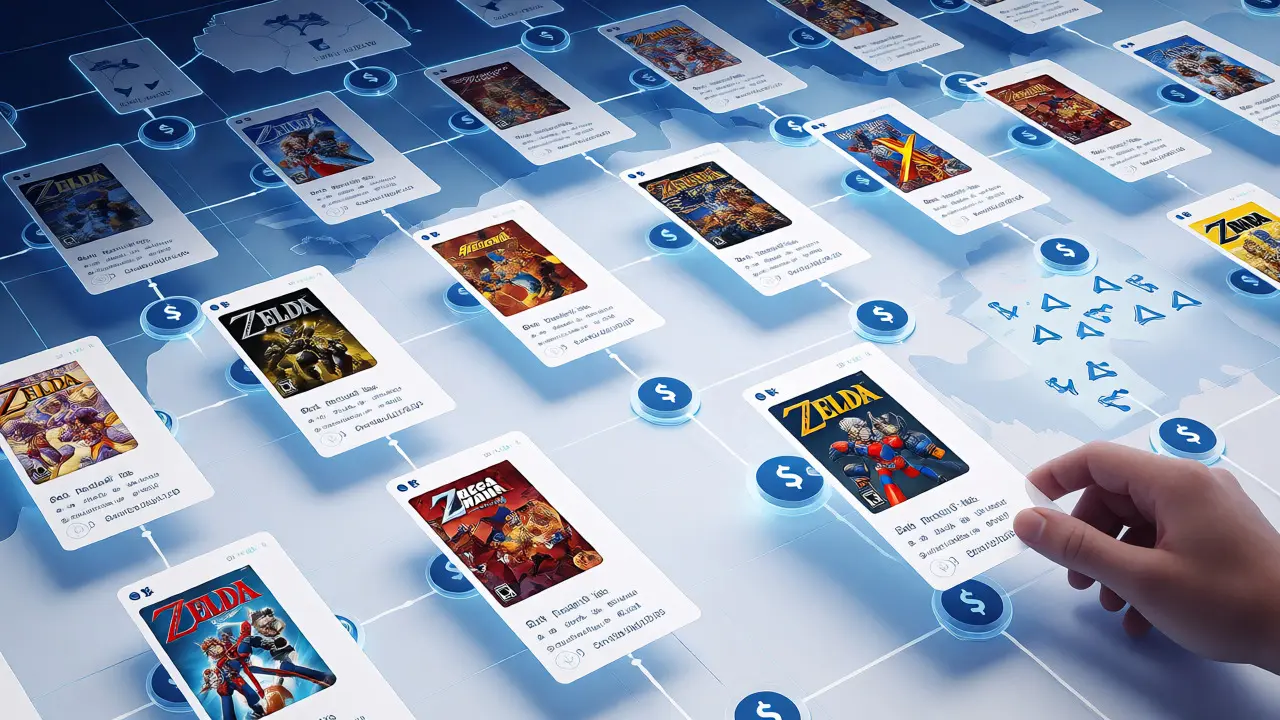
Sales Tax Obligations by State
Federal income tax is only half the battle. Most states charge sales tax on tangible goods, including video games. In Oregon, where I live, there is no state sales tax, so we breathe easier. But if you sell to buyers in California, New York, or Texas, you might have nexus obligations. Since the 2018 Supreme Court ruling in South Dakota v. Wayfair, economic thresholds trigger sales tax collection duties regardless of physical presence. Many states require you to collect sales tax if you exceed $100,000 in sales or 200 transactions annually within their borders. Platforms like eBay and Etsy often handle this automatically now, but if you sell via Facebook Marketplace or local meetups, you are responsible for remitting those taxes yourself. Check your specific state’s Department of Revenue website for current thresholds.
Tools to Simplify the Process
Manual spreadsheets work until they don’t. Once you hit fifty transactions a year, automation becomes necessary. Tools like QuickBooks Self-Employed or specialized inventory apps like ShelfTidying can help link purchases to sales. For pure valuation, PriceCharting provides historical data useful for establishing FMV during audits. Take photos of every item before shipping. These serve as proof of condition, protecting you from buyer disputes that could alter your final sale price and thus your reported income. Consistency is key. Set aside fifteen minutes every Sunday to update your ledger. Future-you will thank present-you when the tax deadline arrives.
Do I have to pay taxes if I sell a game for less than I paid?
If you are selling a personal item at a loss, you generally do not owe any income tax. Furthermore, you typically cannot deduct that loss against other income unless you are classified as a business dealer. For hobbyists, losses are simply ignored for tax purposes.
What happens if I lose my original receipts?
Without receipts, proving your cost basis is difficult. The IRS may assume your basis is zero, taxing the full sale amount. Try to reconstruct records using bank statements, credit card archives, or email confirmations. If unavailable, estimate the value based on typical prices at the time of purchase, but be prepared to justify your estimate.
Are digital game sales taxed differently?
Yes, in some jurisdictions. While physical games are subject to standard sales tax, digital goods laws vary significantly by state. Some states exempt digital downloads entirely, while others tax them. Income tax treatment remains similar, but sales tax compliance requires checking specific state rules for digital products.
How does the IRS define "regular activity" for gaming?
There is no fixed number of sales. The IRS looks at factors like frequency, continuity, and intent to make a profit. Selling three games once a year is a hobby. Selling twenty games every month with systematic sourcing is likely a business. Keep records showing your efforts to find profitable items.
Can I deduct storage fees for my collection?
If you rent a storage unit specifically for inventory held for resale, yes, that is a deductible business expense. If the unit holds your entire personal collection, including items you never intend to sell, you likely cannot deduct the full amount. Allocate costs proportionally based on inventory volume.