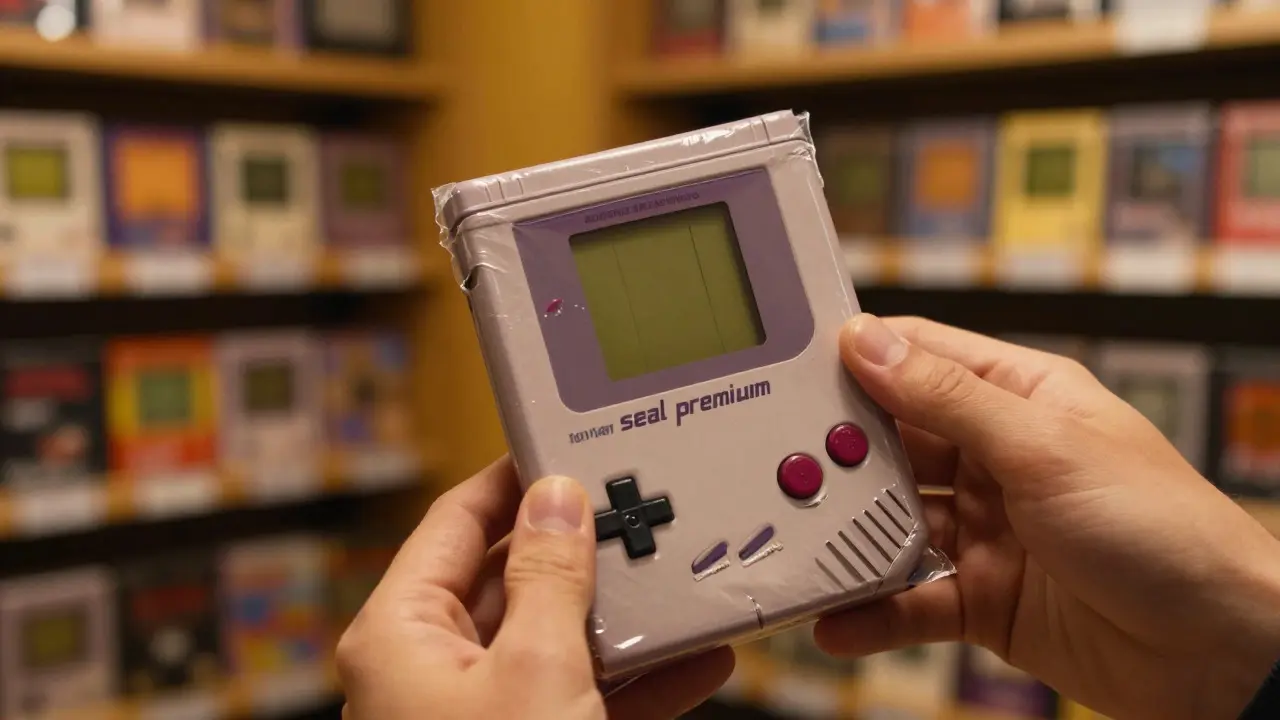
Walking into a local game store with a box of old cartridges can feel like stepping into a different era. You might hold a Rare Video Game is a physical media collectible whose value is determined by scarcity, condition, and original packaging rather than just gameplay. Unlike digital downloads, these items have tangible worth that fluctuates based on the collector market. In 2026, the landscape for trading these items has shifted significantly. The days of walking in with a dusty copy of *Super Mario Bros.* and expecting a quick cash payout are largely over. Today, the process is more nuanced, requiring knowledge of grading, regional pricing, and the specific policies of independent retailers versus big-box chains.
The Current State of the Retro Gaming Market
The market for vintage consoles and software has matured. It is no longer a speculative bubble but a stable collectible niche similar to comic books or vinyl records. Prices for high-demand titles, such as sealed copies of *Pokémon Red* for the Game Boy or *The Legend of Zelda* for the NES, have stabilized after years of volatility. However, this stability means that shops are less willing to take risks on ungraded or damaged items. They know exactly what they can resell for, so their buy-back offers reflect a tight margin.
One major factor influencing prices in 2026 is the "seal premium." A game in its original shrink wrap commands a price significantly higher than one that has been opened, even if the disc or cartridge is pristine. For example, a sealed copy of a popular PS1 title might fetch three times the amount of an open, tested copy. This distinction is critical when preparing your inventory for a trade-in visit.
Understanding How Stores Value Your Games
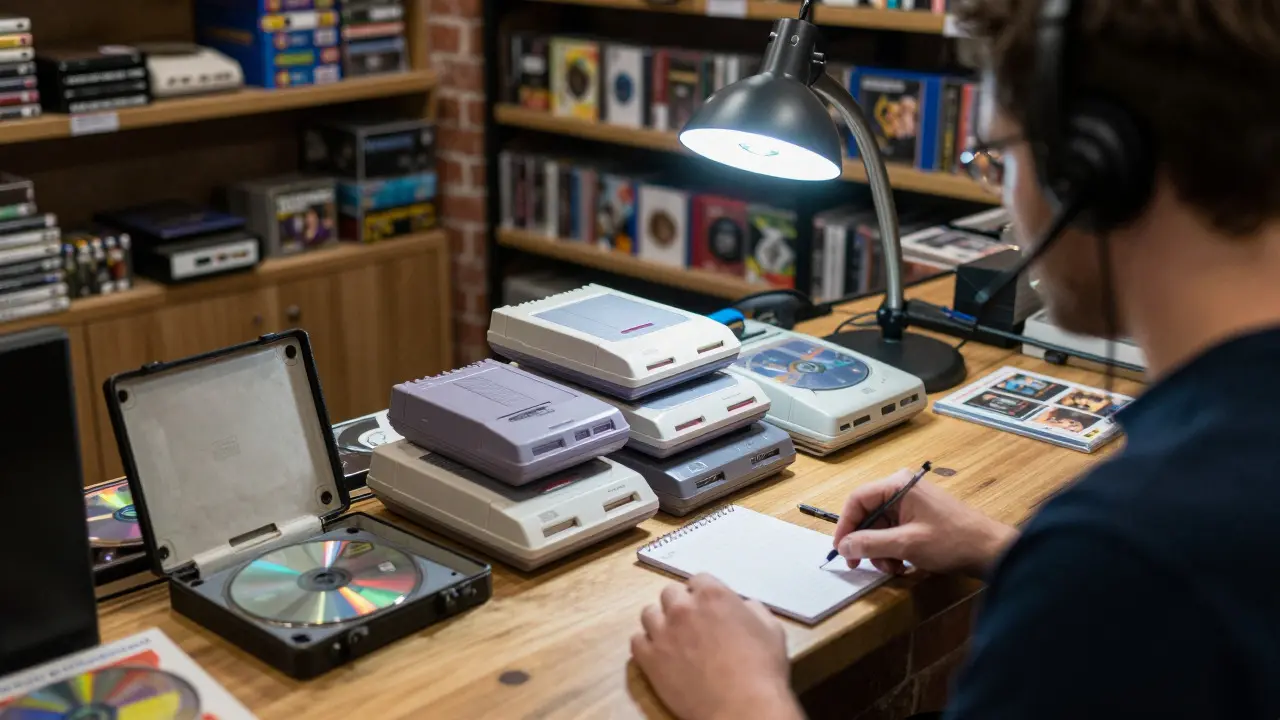
When you bring games to a brick-and-mortar shop, the clerk isn't guessing. They are using real-time data from auction sites like eBay and specialized databases. The valuation process typically follows a strict hierarchy:
- Condition Grading: Most shops use a simplified version of professional grading scales. They look for scratches on discs, wear on case edges, and the presence of manuals or inserts. A "Complete in Box" (CIB) set usually gets the highest base rate.
- Regional Pricing: A game released in Japan may be rarer in the US, or vice versa. Stores often adjust prices based on where the item was originally sold, especially for Nintendo and Sega titles.
- Market Liquidity: If a game sells slowly online, the shop will offer less because they don't want it sitting on the shelf. High-velocity items like *Sonic the Hedgehog* (Genesis) get better offers than obscure RPGs.
It is crucial to understand that the "trade-in value" is rarely the same as the "retail sale price." If a shop lists a rare game for $500, they might only offer you $300 or $350 for it. This difference covers their overhead, risk of theft, and profit margin. Never expect to receive the full retail price in cash or store credit.
Preparation: Maximizing Your Trade-In Offer
How you present your games matters more than you think. Before you head to the store, spend an hour cleaning up your collection. Here is a practical checklist to ensure you get the best possible quote:
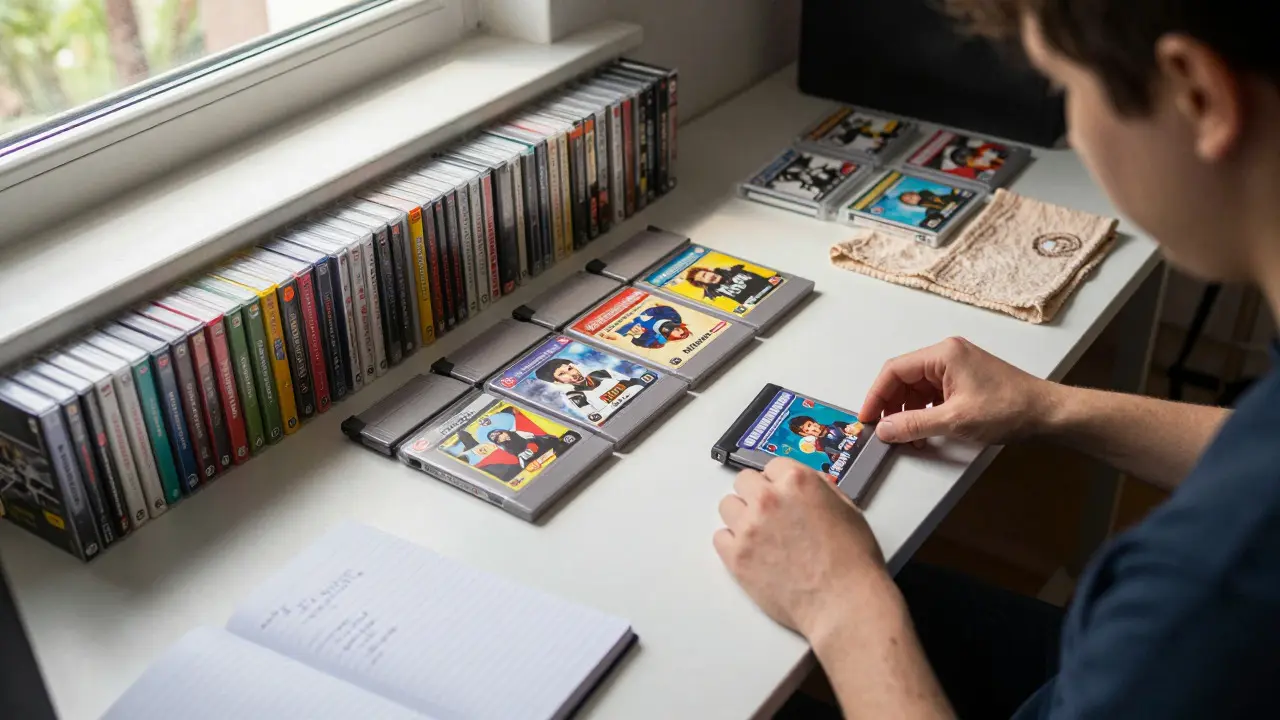
- Clean the Media: Use a microfiber cloth to wipe down cartridges and discs. Dust and smudges can lower a grade from "Mint" to "Near Mint," which can cost you 10-20% of the value.
- Reassemble Cases: Ensure all parts of the case fit together tightly. Loose flaps or cracked spines are red flags for buyers. If you have the manual and any instruction booklets, include them. Missing paper components can drop the value significantly for serious collectors.
- Verify Authenticity: Be honest about re-releases. If you have a modern re-release of an old game, label it clearly. Mixing re-releases with originals can lead to disputes at the counter.
- Check Online Prices: Do a quick search on recent completed sales (not asking prices) to know your baseline. This gives you confidence during negotiation.
Negotiating at the Counter: Tips for Better Deals
Negotiation is part of the culture in local game stores. The initial offer is almost always low. Don't take it immediately. Ask the clerk to break down the valuation. If they say, "We'll give you $50 for this box," ask why. Is it because of the scratch? The missing manual? Knowing the reason helps you decide if it's worth arguing or if you should sell it elsewhere.
Consider offering to split the deal. For example, if you have five rare games, ask if they can pay half in cash and half in store credit. Store credit is often valued higher by the shop because it guarantees you will return and spend money again. In exchange, you might get a slightly higher total value. Just be careful not to accumulate too much store credit unless you plan to buy accessories or new releases there.
Timing also plays a role. Avoid bringing in large lots right before major holidays when staff is busy. Weekday mornings are usually the best time to visit, as clerks have more time to inspect items carefully and are less rushed.
Brick-and-Mortar vs. Online Selling: Which is Better?
While trading at a local shop offers instant gratification and no shipping hassles, it isn't always the most profitable route. Let's compare the two methods:
| Factor | Brick-and-Mortar Shop | Online Marketplace (eBay/Auction) |
|---|---|---|
| Payout Speed | Instant (same day) | 1-2 weeks (shipping + payment processing) |
| Final Price | Lower (40-60% of retail) | Higher (90-100% of market value) |
| Effort Required | Low (drive in, hand over) | High (photography, listing, shipping, customer service) |
| Risk | Minimal (no shipping damage/theft) | Moderate (shipping damage, non-paying bidders) |
| Best For | Bulk lots, damaged items, convenience | Single high-value items, graded copies |
Generally, if you have a single, highly valuable item (like a sealed *Nintendo World Championships*), selling online is almost always better. But if you have 50 common games or items with minor defects, the local shop is the smarter choice. The hassle of listing and shipping fifty items outweighs the extra money you might make online.
Common Pitfalls to Avoid
Many sellers lose money due to simple mistakes. Watch out for these common traps:
- Ignoring the "No Trade" List: Some shops stop buying certain genres or platforms entirely. Check their website or call ahead to see what they accept.
- Overestimating Condition: A small scratch on the disc surface might seem invisible to you, but under a magnifying lamp, it's obvious. Be realistic about grades.
- Failing to Keep Receipts: If you bought the game recently, bring the receipt. While it doesn't guarantee a higher trade-in, it proves authenticity and can help in negotiations.
- Assuming All Stores Are Equal: One shop might specialize in Japanese imports, while another focuses on American classics. Research local stores to find the one with expertise in your specific collection.
What Happens After the Trade-In?
Once you accept the offer, the transaction is final. Most shops do not allow returns on trade-ins. So, double-check your list before you sign anything. You will typically receive either cash, check, or store credit. Cash is immediate, but checks can take days to clear. Store credit is often issued as a card or a code added to your account.
Keep a record of what you traded and for how much. This helps track your personal collection history and can be useful if you ever need to dispute a transaction. Also, ask the clerk for a written estimate if you're unsure about the offer. It puts the numbers in black and white and reduces the chance of verbal misunderstandings.
Frequently Asked Questions
Do brick-and-mortar shops buy broken video games?
Yes, but for a very low price. Broken games are often bought for parts or resale as "for parts/not working." The value is usually less than 10% of a working copy. If the game is extremely rare, even a broken copy might have some value to collectors who want the artwork or case.
Is it better to trade in games for cash or store credit?
Cash is more flexible, but store credit often comes with a bonus percentage (e.g., 10-20% more value). If you plan to buy new games or accessories from that store, store credit is financially advantageous. If you need liquid funds, choose cash.
How long does it take to get a quote at a local game store?
For small lots (under 10 items), expect 10-15 minutes. For larger collections, it can take 30 minutes to an hour. The clerk needs to check each item against current market prices and assess condition individually.
Do I need to clean my games before bringing them in?
Yes. Cleaning improves the perceived condition and can move an item from a lower grade to a higher one. A dirty cartridge might be graded "Good," while a clean one might be "Very Good," resulting in a higher trade-in offer.
Are re-releases worth trading in?
Usually, no. Re-releases are mass-produced and not considered rare. Unless the re-release is itself limited edition or out of print, shops often refuse to buy them or offer very little. Focus your efforts on original press runs.