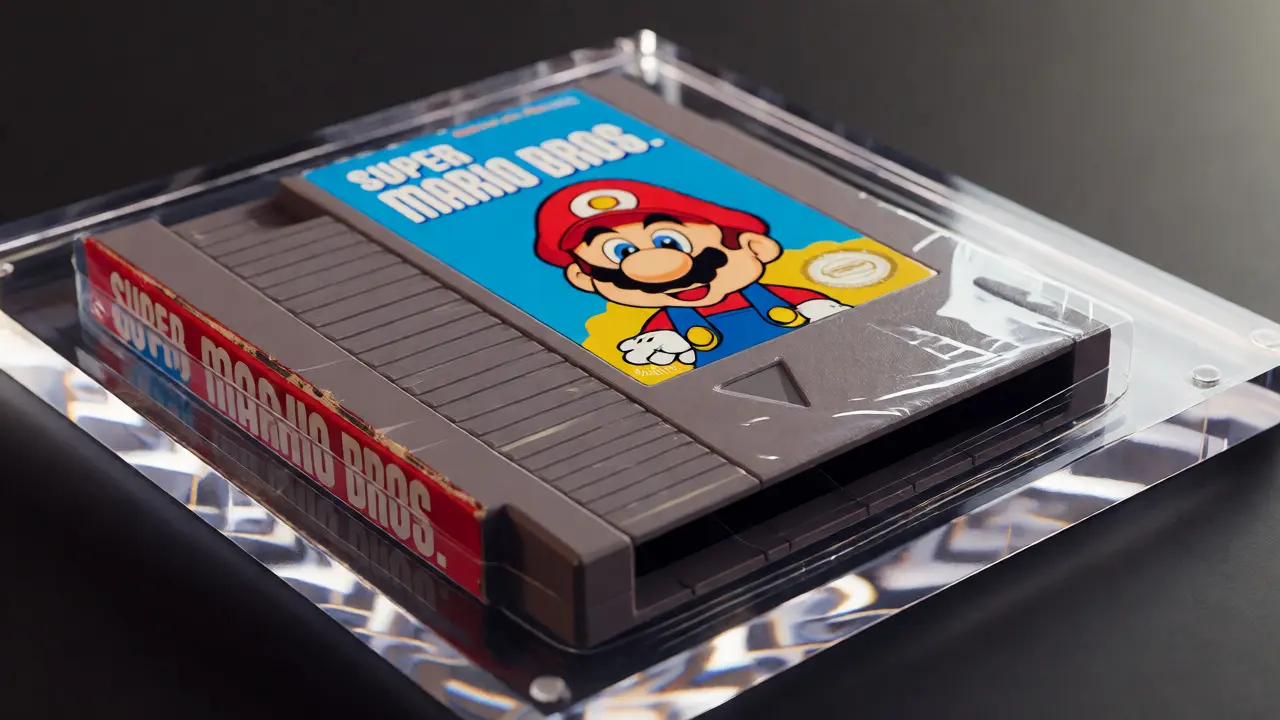
You just found a copy of Super Mario Bros. for the NES in your attic. It’s still in the shrink wrap, but is it worth $50 or $5,000? The answer lies in the slab. If you’re serious about collecting retro games, understanding Wata Games grading standards isn’t just helpful-it’s essential for protecting your investment. Unlike trading cards, where PSA dominates, video game grading has its own ecosystem, and Wata is one of the two major players alongside VGA. But how exactly does Wata decide if your copy is a pristine 9.8 or a damaged 6.0?
The Core Philosophy Behind Wata Grades
Wata doesn’t just look at the box; they look at the entire package as a single unit of value. Their grading system is designed to be stricter than many collectors expect, focusing heavily on visual imperfections that might seem minor to the naked eye but significantly impact market value. When you submit a game, you aren’t just paying for a number; you’re paying for a standardized assessment of condition that buyers trust. This trust is what drives the high-end market. A Wata-graded 9.8 often commands a premium over an ungraded "near mint" because the buyer knows exactly what they are getting. There is no ambiguity about whether the shrink wrap has micro-tears or if the spine has shelf wear. The grade tells the whole story.
The process starts with authentication. Before a grade is even considered, Wata verifies that the game is genuine. This involves checking the cartridge label, the board inside (if accessible without breaking seals improperly), the manual, and the box art against known counterfeit patterns. Once authenticated, the item moves to the condition evaluation stage, where specific criteria come into play. These criteria are published openly, which is a big reason why collectors prefer them over opaque systems. You can actually see what they are looking for before you spend your money.
Decoding the Numeric Scale: What Each Number Means
The Wata scale runs from 1.0 to 10.0, but not all numbers are created equal. The difference between a 9.4 and a 9.8 can be thousands of dollars. Here is a breakdown of the key tiers you need to know:
- 10.0 (Gem Mint): This is virtually non-existent. To earn a 10, the game must be perfect in every conceivable way. No factory defects, no shelf wear, no print flaws, and the shrink wrap must be flawless. Most 10s are reserved for modern releases or extremely rare titles that have been stored in climate-controlled vaults since day one.
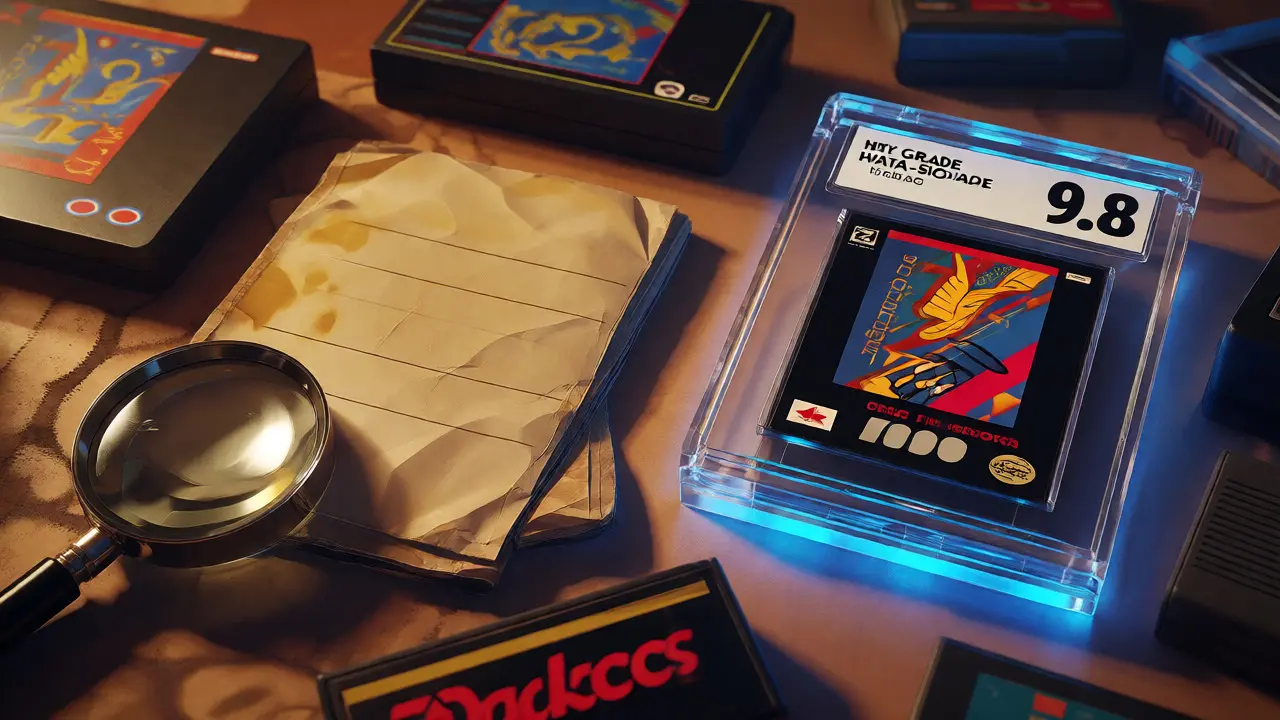
- 9.8 (Near Mint/Mint): This is the realistic "perfect" grade for most vintage games. A 9.8 allows for very minor imperfections that are only visible under magnification. Think tiny scuffs on the shrink wrap or slight color shifts in the printing that don't affect the overall appeal. This is the sweet spot for investors.
- 9.4 - 9.6 (Excellent+): These grades show some age. You might see light shelf wear on the corners or faint yellowing of the paper inserts. The shrink wrap may have minor creases or small tears that don't compromise the seal's integrity. These are great display pieces but sell for less than the 9.8 tier.
- 7.0 - 9.0 (Very Good to Excellent): At this level, wear becomes obvious. Corner dings, ring wear on the box edges, and significant yellowing are common. The shrink wrap might be loose or have larger tears. These games are more for players who want a complete set rather than pure speculators.
- Below 7.0: Anything below a 7 usually has significant damage, such as broken plastic, heavy staining, or missing components. While these can still hold value for ultra-rare titles, the grading fee often outweighs the potential profit increase.
Critical Criteria: Shrink Wrap and Box Condition
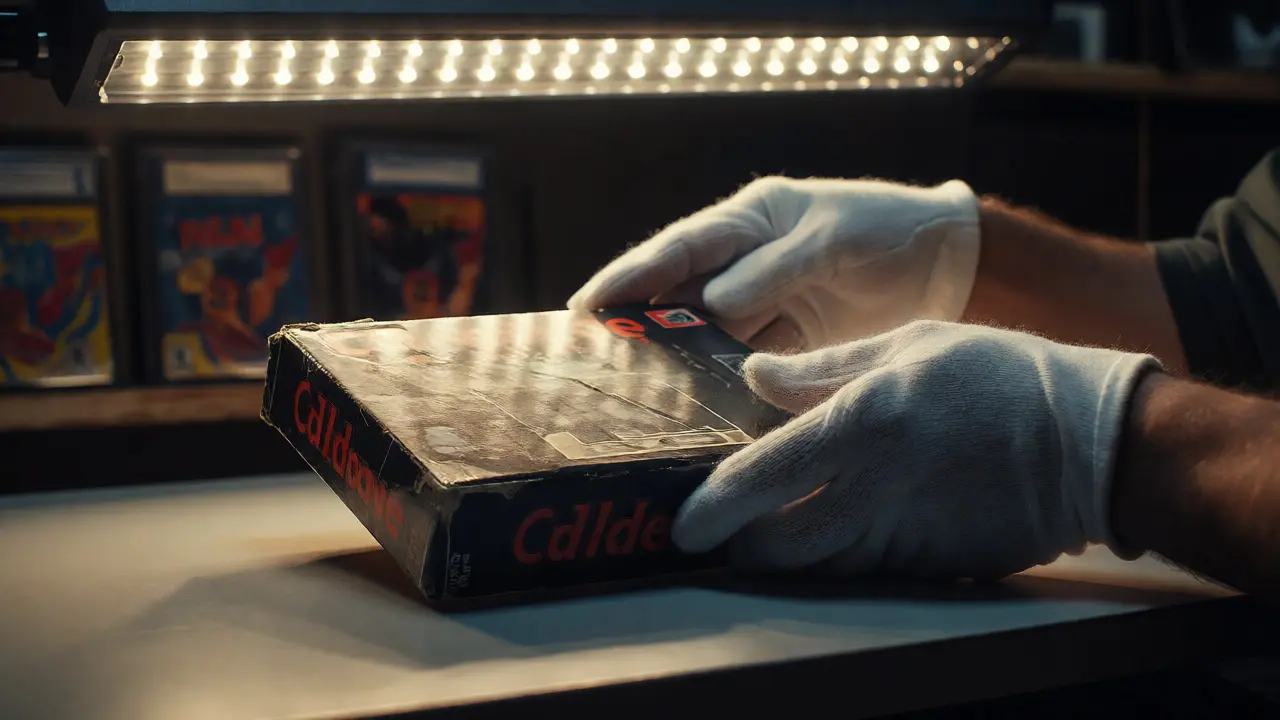
If there is one factor that makes or breaks a Wata grade, it’s the shrink wrap. For sealed games, the wrap is part of the product. Wata inspectors examine the tightness of the wrap, the presence of air bubbles, and any tears. A large tear near the corner will drop a grade significantly, even if the box underneath is perfect. They also check for "re-shrinking," where a seller removes old, damaged wrap and applies new plastic. Wata uses UV lights and other tools to detect this. If they suspect re-shrinking, they will note it on the label, which lowers the value because it implies the original packaging was compromised.
| Component | Key Inspection Points | Impact on Grade |
|---|---|---|
| Shrink Wrap | Tightness, tears, bubbles, authenticity of original film | High - Major tears or re-shrink flags drop grades by 1.0+ |
| Box Corners & Edges | Dents, crushing, separation of cardboard layers | Medium-High - Sharp corners required for 9.8+ |
| Spine & Front Art | Fading, print lines, scratches, sticker residue | Medium - Fading affects value more than minor scratches |
| Manuals & Inserts | Yellowing, folds, missing pages, staple rust | Low-Medium - Only critical if completely missing or torn |
| Cartridge Label | Centering, bubble-free application, color accuracy | High - Misaligned labels are common downgrade reasons |
Box condition is the second pillar. Wata looks closely at the four corners. Are they sharp? Or are they rounded off from sitting on a store shelf for thirty years? Even a slight rounding prevents a 9.8. The edges of the box matter too. Look for "ring wear," which happens when a rubber band or tape was wrapped around the box, leaving a permanent indentation or discoloration. Also, check for water damage. Warping is an instant disqualifier for high grades. The front art should be vibrant, with no fading from sunlight exposure. If the colors look washed out compared to a reference image, the grade will reflect that.
Internal Components: Cartridges and Manuals
While the exterior gets the most attention, the interior matters. For cartridges, Wata checks the label application. Is it centered? Are there air bubbles trapped under the label? A bubbled label is a common defect in older Nintendo games due to manufacturing inconsistencies. While this doesn't always tank the grade, it prevents a perfect score. The cartridge shell itself is inspected for cracks or stress marks. If the game came with a manual, it must be present and intact. Missing manuals are a huge red flag. In fact, for many games, a missing manual can drop the grade by several points or result in a "Incomplete" designation, which severely limits resale value.
For CD-based games like those for PlayStation or Sega Saturn, the case condition is scrutinized similarly to the box. Cracks in the plastic jewel cases are common and hard to avoid. Wata distinguishes between structural cracks and cosmetic scratches. Structural cracks weaken the case and lower the grade more. The disc itself is rarely graded unless it shows severe oxidation or warping, as it is assumed to be protected by the case.
Common Pitfalls That Lower Your Grade
Many collectors lose points on things they didn't even notice. One major issue is "print lines." These are vertical streaks caused by the printing press running low on ink or having a roller issue. They are often subtle but reduce the visual appeal of the cover art. Another trap is sticker residue. Did someone put a price tag on the shrink wrap? Even if removed, the adhesive can leave a ghost mark or pull up fibers from the cardboard. Wata considers this damage.
Then there is the issue of humidity. Storing games in basements or attics leads to foxing-brown spots that appear on the cardboard. Foxing is nearly impossible to remove without damaging the paper, so it stays on the card forever. If you live in a humid area like Portland, Oregon, where I am based, keeping your collection in a dry environment is critical. Silica gel packets in storage bins can help, but consistent temperature control is better.
Why Choose Wata Over Other Services?
You might wonder why you wouldn't just use VGA or another grader. Wata has built a reputation for consistency. While no grading service is perfect, Wata's turnaround times and communication have improved significantly in recent years. They offer different tiers of service, from standard bulk submissions to expedited options. For high-value items, their insurance coverage during transit and processing gives peace of mind. Additionally, Wata provides detailed notes on the label. If your game got a 9.4 instead of a 9.8, the label will tell you why. This transparency helps you understand your asset and make better decisions for future purchases.
However, grading isn't for everyone. If you have a common game worth $20, the grading fee plus shipping might cost more than the game is worth. Always calculate the potential premium first. Check sold listings on eBay for the same game in a similar grade. If the jump from ungraded to 9.4 is only $10, skip it. If the jump is $200, it’s worth considering.
Final Thoughts on Protecting Your Collection
Grading is ultimately about preservation and liquidity. By sealing your game in a Wata slab, you protect it from further degradation and make it easier to sell. The standardized language of the numeric scale removes the guesswork for buyers. Whether you are chasing the holy grail of a 10.0 Stadium Events or just want to ensure your childhood Zelda holds its value, knowing the criteria puts you in control. Inspect your candidates carefully before submitting. Use a bright light and a magnifying glass. If you see issues you can't fix, adjust your expectations. The goal isn't just a high number; it's an accurate reflection of reality that protects your wallet.
What is the difference between a 9.8 and a 10.0 in Wata grading?
A 10.0 requires absolute perfection with zero visible defects under standard inspection conditions. A 9.8 allows for minute imperfections that are barely noticeable, such as tiny micro-scratches on the shrink wrap or slight factory variances. Practically, 10.0s are extremely rare for vintage games, making 9.8 the highest realistic grade for most collectors.
Does Wata grade loose games or only sealed ones?
Yes, Wata grades both sealed and loose games. Loose games are evaluated based on the condition of the cartridge/disc, the box (if included), and the manual. The grading criteria for loose items focus more on physical wear, cleanliness, and completeness rather than shrink wrap integrity.
How long does the Wata grading process take?
Turnaround times vary based on the service level chosen. Standard submissions can take several weeks to a few months, while expedited services aim for faster returns, often within days or a couple of weeks. Delays can occur during peak submission periods, such as after major holiday sales or when popular titles are being released.
Can I resubmit a game if I disagree with the grade?
Generally, no. Once a game is graded and slabbed, it cannot be opened for resubmission without breaking the seal, which destroys the value of the current grade. You would need to crack the case, which means you lose the certification. Therefore, it is crucial to inspect your game thoroughly before submitting.
Does a missing manual significantly lower the grade?
Yes, a missing manual typically results in a significant downgrade, often capping the grade in the lower ranges depending on the title. For many games, a complete package is expected. If the manual is missing, the game may receive an "Incomplete" status or a much lower numeric score, drastically reducing its market value.